Arsenal’s narrow victory over Burnley was less a performance of champions than a test of whether a team carrying championship pressure could survive its own nerves. Kai Havertz’s first-half header, created from a Bukayo Saka corner, supplied the only goal, while another clean sheet protected a result that moved Mikel Arteta’s side within touching distance of a first league title since 2004. The match mattered because it exposed the difference between playing well and managing consequence. Burnley had already been relegated, yet the Emirates spent much of the second half braced for disaster. Arsenal’s path to the summit has been built on structure, set pieces and defensive control; on this night, those traits mattered more than fluency.
A Match Bigger Than Its Scoreline
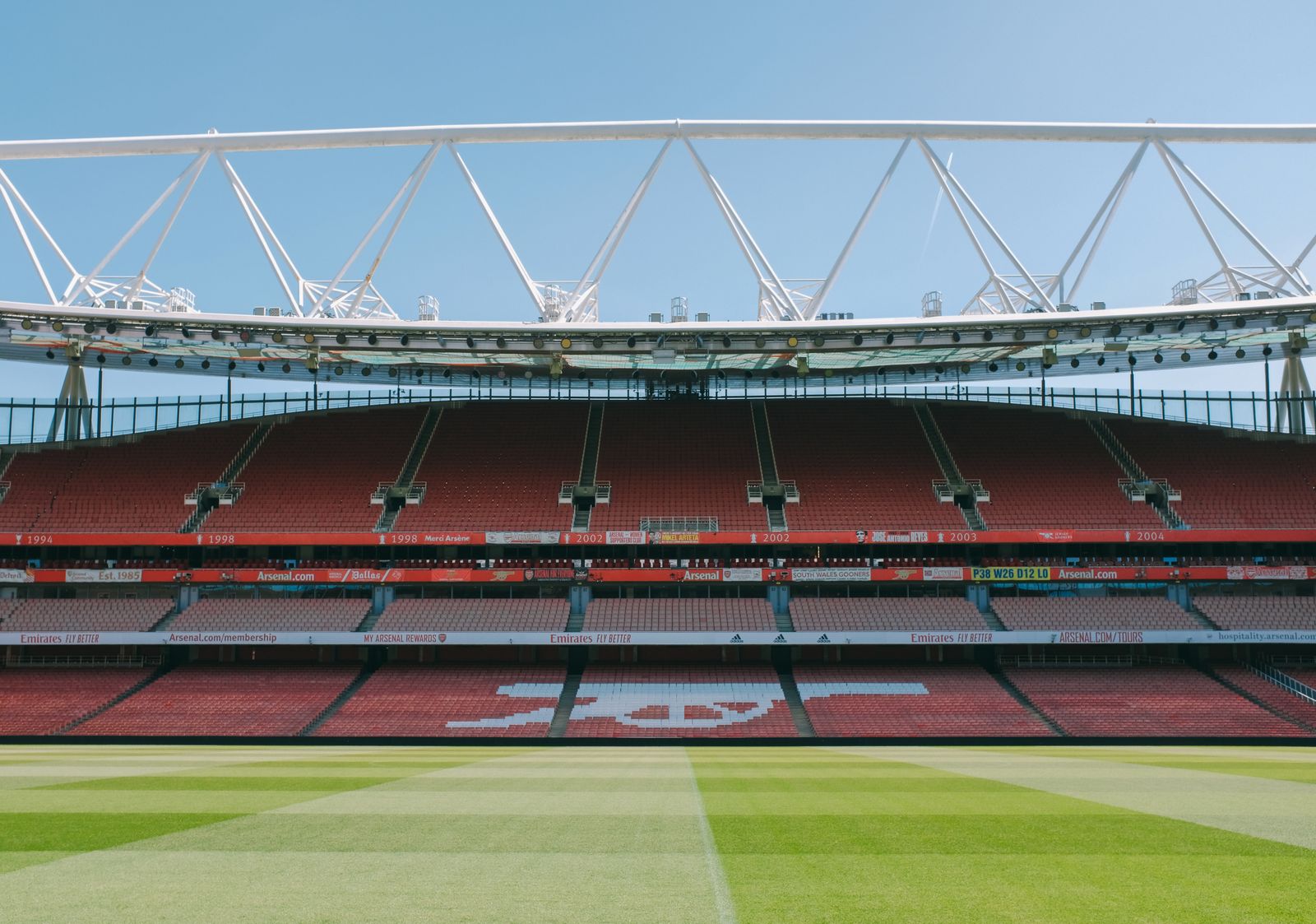
On paper, Burnley looked like the kind of opponent title contenders are expected to dispatch without drama. Relegation had already been confirmed, the club had changed managers, and their recent league form offered little evidence of a surprise. The atmosphere at the Emirates told a different story. Supporters lined the route of the team bus, flares and noise turning the evening into a civic event before a ball had been kicked. That emotional energy soon became tension. Arsenal knew one mistake could transform a celebratory night into a defining collapse, and Burnley played with enough freedom to keep that fear alive. The 1–0 scoreline therefore captured something central about title races: late-season games are not played only against the opposition. They are played against accumulated expectation, memory and the possibility of regret.
The Familiar Route to a Crucial Goal
Arsenal’s breakthrough came through one of the foundations of their season. Saka delivered a corner and Havertz attacked it decisively, heading home near the end of the first half. Set pieces have become a reliable part of Arsenal’s attacking identity, not a secondary option, and the timing of this one allowed the team to reach the interval with the advantage it needed. Earlier chances had hinted at a more comfortable evening, including Leandro Trossard striking the post, but Burnley’s resistance kept the margins thin. The goal demonstrated why repetition matters at elite level. When open-play patterns tighten under pressure, a rehearsed dead-ball routine offers a controlled environment inside a chaotic match. For Arsenal, that controlled moment became the difference between a nervous evening and a potentially historic step.
Defense Carries the Weight
The second half was defined less by Arsenal’s attacking ambition than by their ability to protect what they had. Burnley grew in confidence, the home crowd became increasingly restless, and Havertz survived a review after a studs-up challenge that had initially produced a yellow card. Arsenal never found the second goal that would have released the stadium. Instead, the team leaned on the other pillar of its title challenge: defensive excellence. The clean sheet was their nineteenth of the league campaign, an extraordinary number in a competition where even lower-table sides can punish hesitation. The closing minutes, extended by a long period of stoppage time, became an exercise in collective concentration. Arsenal repelled the final balls, defended their box and accepted that elegance was no longer the priority.
Arteta and the Psychology of Nearness
Mikel Arteta has spent years trying to convert Arsenal’s technical progress into the emotional steadiness required to finish a title race. The Burnley game showed both how far that process has come and how much pressure remains. His team did not control every phase, but it avoided the single error that would have changed the season’s narrative. Afterward, Arteta addressed the crowd as supporters prepared for a lap of appreciation, his voice reflecting the strain of the evening. The sense of nearness is powerful and dangerous. Players begin to understand that every action can be remembered for decades, while supporters measure minutes against a 22-year wait. Leadership in that environment is less about grand speeches than about keeping routines intact when the entire stadium wants the future to arrive immediately.
Winning Before Celebrating
The result left Arsenal in a position where Manchester City’s next match could determine the title before the final day. If City failed to win at Bournemouth, the race would be over; otherwise, Arsenal would travel to Crystal Palace with the championship still in their hands. That uncertainty gives the Burnley victory its character. There was no grand coronation, only another obstacle cleared. Arsenal’s season has often been judged through questions about aesthetics, depth and previous disappointments, yet the defining quality of this stage may be resilience. Champions are rarely required to look convincing every week. They are required to keep the scoreline intact when conviction wavers. Against Burnley, Arsenal did exactly that, and the narrowness of the win may ultimately make it feel more authentic rather than less.
The Final Step Is About Repetition
Arsenal’s remaining challenge is psychological but also procedural. The title will not be secured by finding a new identity in the final week; it will be secured by repeating the habits that created the opportunity. Set-piece preparation, defensive spacing, controlled possession and emotional discipline have carried the team this far. The temptation in a historic moment is to search for a performance worthy of the occasion, when the more useful goal is a performance worthy of the process. That is why the Burnley win may prove instructive. It was tense, imperfect and still sufficient. If Arsenal finish the job, supporters will remember the celebrations more vividly than the anxiety that preceded them. Yet the anxiety is part of the achievement. After years of rebuilding, the team is learning that championships are not awarded for looking ready. They are won by surviving the moments when readiness is hardest to feel.