The 2026 World Cup ticket market is producing a map of demand that looks different from the traditional hierarchy of football nations. The final remains the most expensive event on resale platforms, but a Colombia–Portugal group match in Miami has emerged as the second-costliest ticket, while Scotland against Brazil is also commanding extraordinary prices. As of May 17, one analysis site listed the cheapest asking price for Colombia–Portugal at $2,254 and the final at $7,734. The figures reflect more than sporting prestige. Diaspora communities, venue location, star power, tourism appeal and limited availability are combining to show that the economics of a World Cup are shaped as much by where people live as by who is expected to win.
The Final Is Expensive, but the Surprise Comes Earlier
No one expects a World Cup final to be cheap on the secondary market. The match concentrates uncertainty, prestige and scarcity into a single event, and resale prices rise accordingly. What is more revealing is the demand for specific group games. Colombia against Portugal in Miami was listed with a get-in price above $2,200, making it more expensive than either semi-final at the time of measurement. Scotland against Brazil, also in Miami, was another high-priced group fixture, with the cheapest availability above $1,600. These numbers are asking prices rather than guaranteed transaction values, so they should not be treated as a perfect measure of what fans ultimately pay. Even so, the relative ranking tells a story: group-stage demand is being driven by specific communities and destinations, not simply by the global fame of the teams involved.
Miami Changes the Equation
South Florida is a uniquely powerful World Cup market. It combines a large Latin American population, international air links, a major tourism industry and a cultural connection to football that extends across national identities. A Colombia–Portugal match therefore draws from several overlapping audiences: Colombian diaspora supporters, fans traveling from South America, Portuguese and European visitors, neutrals interested in star players, and tourists already attracted to Miami. Scotland–Brazil adds another layer, pairing a returning European nation with football’s most famous international brand. The venue becomes part of the product. A less glamorous city with the same fixture might not generate the same resale frenzy. World Cup organizers sell matches, but supporters buy experiences that include destination, community and the chance to be part of a rare gathering.
Scotland’s Return Creates Scarcity of Its Own
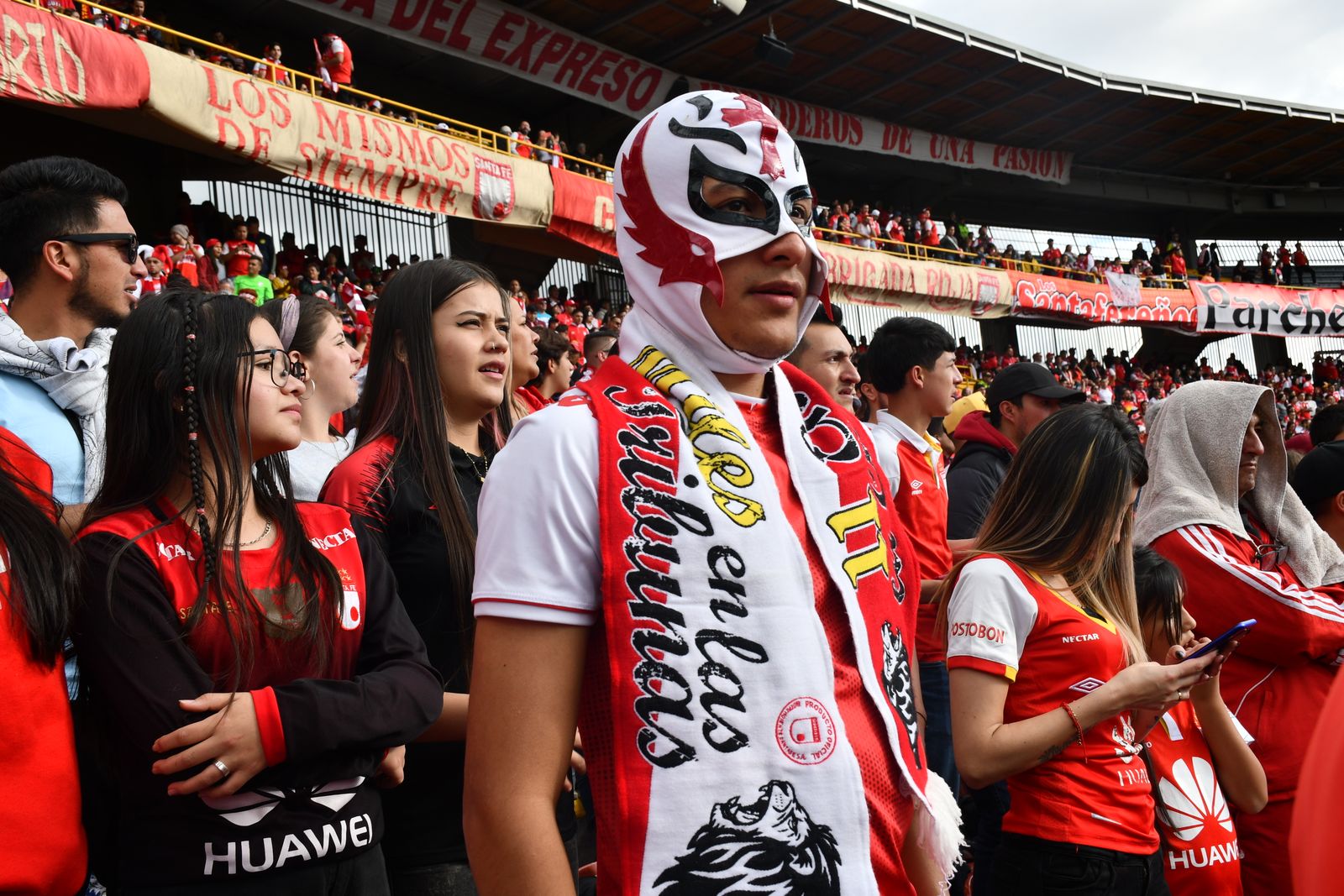
Scotland’s first World Cup appearance since 1998 gives its matches an emotional premium that conventional rankings cannot capture. A generation of supporters has never watched the national team at the tournament, so demand is shaped by accumulated absence. That can make a group game feel like a final for those traveling. The matchup with Brazil intensifies the effect because it offers a once-in-a-generation opponent in a globally attractive city. This is why ticket markets can appear to claim that Scotland are “more popular” than England, the United States or Argentina when the underlying reality is more nuanced. Prices measure scarcity and willingness to pay for a particular event, not a universal popularity league table. A smaller fan base can create higher prices if it is unusually motivated and concentrated around limited inventory.
Resale Markets Reward Inequality
The uncomfortable side of the price surge is access. World Cups present themselves as global festivals, but a resale ticket above $2,000 is beyond the reach of most supporters, especially once flights and accommodation are added. Secondary markets can efficiently move tickets toward people willing to pay the most, yet they also turn emotional significance into financial leverage. The 2026 tournament is already unusually expensive because of its scale across the United States, Canada and Mexico, where travel distances are large and hotel demand can be intense. When desirable fixtures move into four-figure resale territory, attending becomes a luxury experience rather than a broadly accessible fan ritual. Organizers may point to official face-value allocations, but the public perception of the tournament is increasingly shaped by what happens after those tickets sell out.
_04.jpg)
A Market Tells a Cultural Story
Ticket prices are often discussed as if they are only an economic signal, but at a World Cup they reveal cultural networks. Colombia’s diaspora, Scotland’s long wait, Brazil’s symbolic status, Portugal’s star appeal and Miami’s geography all become visible in a single market. The numbers will change as teams progress, new inventory appears and sellers adjust expectations. What will remain is the lesson that demand cannot be predicted solely from FIFA ranking or television audience. The 2026 World Cup is a continental event spread across enormous distances, and every fixture exists inside a local social ecosystem. The most coveted seat may belong not to the match with the most decorated teams, but to the one where identity, scarcity and place converge most intensely.
Fans Need Better Information Before They Buy
Secondary-market prices can move rapidly, and the difference between an asking price and a completed sale is important. Supporters should avoid reading headline figures as fixed market value or assuming scarcity can only increase. Additional official inventory, sponsor returns and late travel decisions can change availability. At the same time, waiting carries risks when accommodation and flights are also tightening. The result is a complicated consumer decision in which fans are effectively speculating on several markets at once. Tournament organizers could reduce some of that pressure by making resale systems transparent, limiting exploitative markups where possible and releasing inventory schedules clearly. The World Cup depends on supporters creating atmosphere inside stadiums, not merely on extracting the highest possible price from each seat. A ticket market that excludes too many committed fans may maximize transactions while weakening the very experience that makes those tickets valuable.