Nice began the season chasing Champions League football and ended the regular campaign facing a two-legged relegation playoff against Saint-Étienne. The collapse has turned supporter frustration with Ineos from dissatisfaction into open fury. After a goalless home draw with Metz, ultras entered the pitch and players hurried toward the tunnel, months after a separate confrontation in which players and staff were attacked by their own fans. Ineos bought Nice for €100 million in 2019 with ambitions of challenging Paris Saint-Germain. Seven years later, the club’s immediate priority is simply to avoid Ligue 2. The distance between those two points has become the most damning measure of the project.
From European Ambition to Survival
Nice’s season is shocking because the endpoints appear to belong to different clubs. They entered the campaign through Champions League qualifying, an environment that suggests upward momentum and continental ambition. By the final day of Ligue 1, they needed a result against Metz to avoid a relegation playoff. The 0–0 draw failed to deliver it, leaving Saint-Étienne between Nice and the second division. Relegation battles are often explained through injuries, bad luck or a short run of poor form, but the scale of this collapse points toward something structural. A club with recent European expectations should possess enough squad depth, planning and institutional stability to avoid reaching this position. When it does not, the table becomes an audit of decisions made long before the final match.
Supporter Anger Has Crossed a Dangerous Line
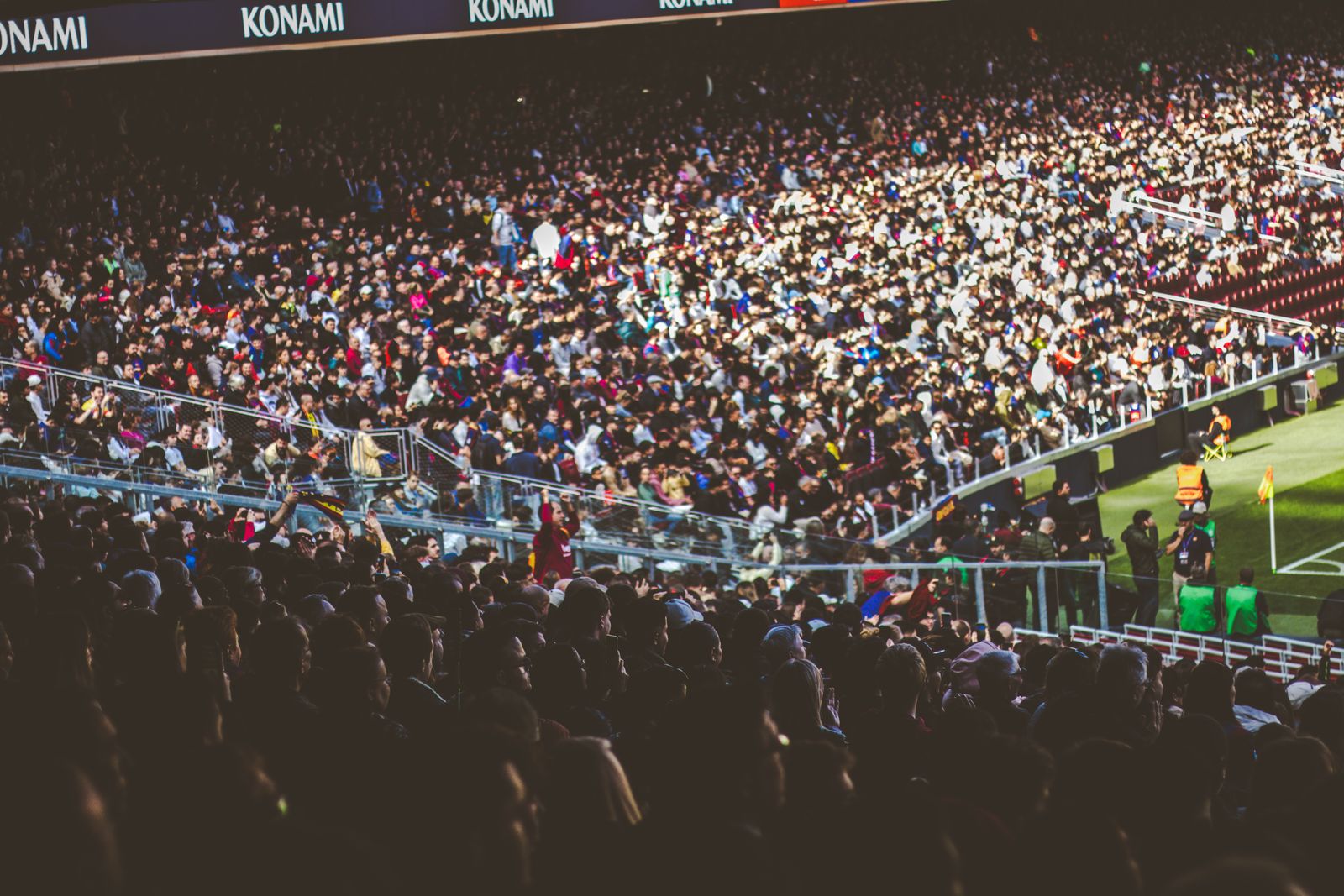
The pitch invasion after the Metz draw reflected genuine outrage but also the increasingly unsafe atmosphere around the club. Nice players and staff had already been attacked by supporters months earlier, an escalation that cannot be justified by sporting failure. Fan anger is part of football’s emotional economy; violence is not. The challenge for the club is to acknowledge the depth of frustration without normalizing intimidation. Players facing a relegation playoff need enough security and psychological space to prepare professionally. If every mistake is interpreted through confrontation, performance can deteriorate further. Ownership must therefore deal with two crises simultaneously: the football emergency of staying in Ligue 1 and the relationship breakdown that has made parts of the fan base feel alienated enough to turn rage toward the people representing the club on the pitch.
Ineos and the Gap Between Promise and Practice
When Ineos bought Nice in 2019 for around €100 million, the stated ambition was to build a challenger capable of closing the gap with PSG. The company’s wider sports portfolio and financial resources encouraged expectations of expertise, structure and long-term investment. Instead, the Nice project has often appeared uncertain, and the current relegation danger makes those strategic questions unavoidable. Ownership in modern football is not judged simply by spending levels. Recruitment coherence, managerial appointments, executive stability and the ability to build a recognizable sporting identity matter just as much. The final league position suggests Nice have failed across enough of those areas that even top-flight survival is no longer secure. The possibility that Ineos may seek to exit only intensifies supporter resentment about a project that promised transformation.
The Playoff Is a Sporting and Institutional Referendum
Saint-Étienne will not care about Nice’s ownership narrative. The playoff will be decided by the same fundamentals as any two-legged tie: defending set pieces, managing transitions, controlling emotion and taking chances. Yet the significance of the result reaches far beyond ninety-minute blocks. Relegation would reduce revenue, damage recruitment appeal and likely accelerate the departure of leading players. It would also deepen the reputational failure of an ownership group that once spoke about competing near the top of French football. Survival, conversely, would provide relief but no proof that the underlying problems are solved. Nice cannot interpret staying up as validation. The club would need a summer of governance repair, clearer recruitment and a serious attempt to rebuild trust with supporters.

A Club Needs More Than an Owner’s Ambition
The Nice crisis is a reminder that ambition in football is not an asset until it is converted into durable systems. Wealth can buy players and facilities, but it cannot guarantee coherent decision-making. Supporters recognize the difference because they experience the club season after season rather than through occasional strategic announcements. The anger at the Allianz Riviera is partly about results, but it is also about the collapse of a promised trajectory. Nice were supposed to be moving toward the Champions League; instead, they are preparing to defend their Ligue 1 status. Whatever happens against Saint-Étienne, the ownership era will be judged by that reversal. The immediate task is survival. The harder task is proving that the club can again make decisions that point in the same direction.
The Playoff Cannot Repair Trust by Itself
Nice’s immediate objective is brutally clear: beat Saint-Étienne over two legs and remain in Ligue 1. But survival will only postpone the institutional reckoning. Supporters need to know who is making sporting decisions, what Ineos intends to do with its ownership stake and how the squad will be rebuilt after a season of collapse. Players need security and a functioning environment, not another year in which uncertainty dominates the club. A coherent plan will matter more than a dramatic statement of ambition. Nice have heard those before. The next phase must be judged through appointments, recruitment and communication that remain consistent for more than a few months. Relegation would magnify every failure, but avoiding it will not erase them. The club’s future depends on whether the people in charge finally treat trust as something to be rebuilt through repeated decisions rather than demanded from supporters after a crisis.