The White Lotus season 4 is less interesting as a standalone headline than as a window onto how an anthology franchise creates anticipation by changing location and cast while preserving a recognizable social experiment. HBO renewed The White Lotus for a fourth season after the third season's Thailand-set story. The fourth season is slated to take place on the French Riviera, returning the anthology to Europe. The Riviera setting offers familiar luxury but a new historical and cultural texture, giving Mike White another environment in which privilege can look effortless until the social arrangements underneath it begin to crack. Rather than treating the moment as a checklist of products, names, or announcements, the more useful approach is to ask what changes for the people who actually use, watch, enter, or live with it. For a franchise or performer, visibility is no longer
The Story Outside the Screen
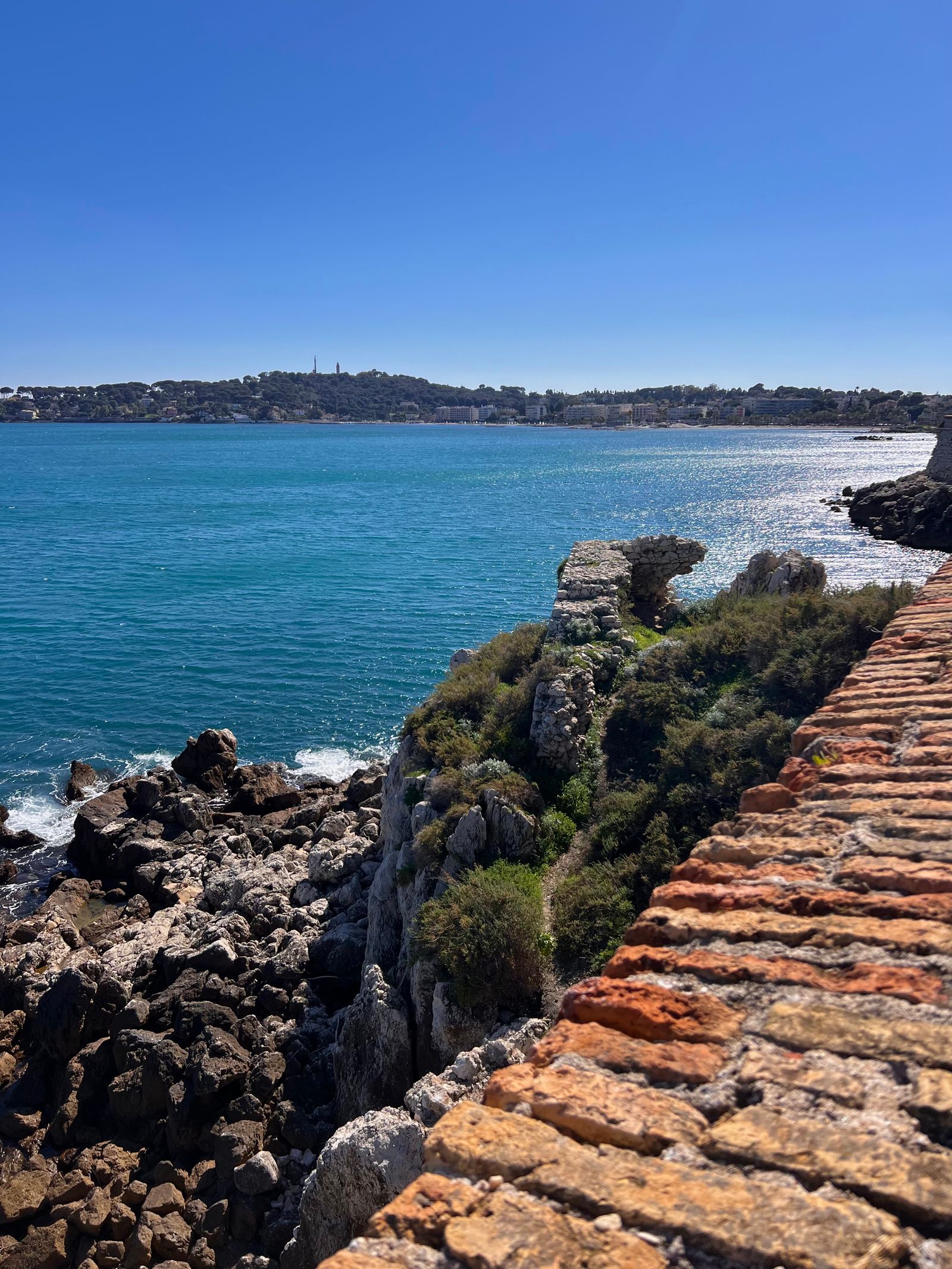
HBO renewed The White Lotus for a fourth season after the third season's Thailand-set story. The fourth season is slated to take place on the French Riviera, returning the anthology to Europe. The French Riviera is an obvious luxury image, but that obviousness is exactly what makes it useful for a series interested in the stories wealthy people tell themselves about taste, leisure, and entitlement. The important point is not simply that these details exist, but that together they define the conditions of the story: who is making the decision, what has changed, and why the moment now feels different from an ordinary product release, workplace adjustment, episode recap, or interior refresh.
For a franchise or performer, visibility is no longer produced by a single release date. Red carpets, recaps, social clips, interviews, and casting news form a continuous publicity environment in which image and story keep reshaping one another. In this case, that context sharpens how location functions as a social system rather than postcard scenery. It also keeps the article from mistaking visibility for significance; the most photographed or repeated detail may open the story, but it is the relationship among the details that gives the subject its editorial weight.
What Is Actually Confirmed
Reported filming locations include Château de La Messardière in Saint-Tropez. Production was expected to run from April through October 2026, making a 2027 premiere more plausible than a 2026 release. Those facts create a more useful frame than hype alone. They show how the subject works at the level of format, process, casting, policy, material, or service rather than leaving it as an abstract trend. The strongest seasons use hotels, excursions, staff hierarchies, and local environments to place characters in situations where money can buy comfort but not control every relationship.
That makes confirmed information unusually valuable. Fan theories can be part of the pleasure, but an editorial account is more useful when it keeps production facts, plot events, and speculation in separate lanes. That makes comparison important. The relevant question is not whether every consumer, institution, viewer, or visitor should respond in the same way, but which conditions make the idea work and which conditions expose its limits.
Image, Character, and Expectation
Laura Dern joined the cast after Helena Bonham Carter departed because of creative differences. Reported cast members also include Chris Messina, Max Greenfield, Marissa Long, Steve Coogan, Caleb Jonte Edwards, Alexander Ludwig, and AJ Michalka. This is where the story moves from announcement to experience. The subject is interpreted through repeated choices: what gets emphasized, what becomes optional, what is standardized, and what remains dependent on individual judgment. A new cast resets those dynamics while the White Lotus brand gives viewers a familiar expectation that beauty and dread will occupy the same frame.
That distinction matters because publicity can create the impression that everything has already been decided. In reality, schedules shift, casting changes, and anthology structures deliberately leave room for surprise. The strongest reading keeps anticipation alive without turning rumor into fact. For The White Lotus season 4, the tension is particularly visible in the appetite for detailed speculation before the series has revealed its plot. That tension is productive when it leads to better choices and clearer expectations rather than simply producing another layer of marketing language or speculation.
Why the Audience Keeps Watching
Creator Mike White has used each season to place a mostly new group of affluent travelers and workers inside a luxury resort environment. The anthology format allows the series to preserve themes of class, desire, status, and self-deception while changing location and social chemistry. Those details also define the boundary of what can responsibly be claimed. Casting and location are confirmed production facts; fan theories about returning characters or specific storylines should remain clearly separate until HBO provides more information. An editorial reading can still be enthusiastic, skeptical, or aesthetically engaged without turning uncertainty into certainty.
Fashion and performance also operate differently even when they share the same stage. A premiere look can sharpen a star's public image, while the work itself depends on character, pacing, direction, and writing. Treating the two as related rather than interchangeable makes the culture around a release more interesting. The point is not to remove pleasure from the story. It is to make the pleasure more durable by separating what has been demonstrated from what is merely possible, and by recognizing that users and audiences bring different needs, tastes, and tolerances to the same idea.

The Next Chapter Has to Earn It
No detailed official plot synopsis was available during the 2026 production period, leaving character relationships and the season's central conflict largely under wraps. The Riviera chapter will be judged by how specifically it uses its setting rather than by whether it reproduces the pleasures of Hawaii, Sicily, or Thailand. Seen this way, the subject is not a finished verdict but a snapshot of a system in motion. Products will be reformulated, software will be updated, series will continue, stores will age, and cultural labels will change; the useful editorial task is to identify which underlying choices are likely to remain meaningful when that happens.
The most interesting next step is usually the one that cannot be reduced to a headline: how the confirmed pieces work together once the episode, film, or performance is finally seen. Until then, precision is more compelling than overstatement. The anthology stays alive by repeating the experiment, not the result. The strongest takeaway is therefore not a command to buy, believe, visit, or predict. It is a clearer understanding of why this moment matters now and what evidence will matter next.