Mexico City can overwhelm food travelers with abundance, but chef Santiago Muñoz Moctezuma offers a useful way through it: start with the ingredients and habits that shaped childhood, then follow them into markets and contemporary restaurants. Corn and chile remain the foundation, not as nostalgic symbols but as everyday tools that connect quesadillas, tacos, stews and ambitious modern cooking. Traditional street markets such as the tianguis on Obrero Mundial Avenue sit within the same culinary ecosystem as restaurants sourcing heirloom corn from farmers around the country. The city’s scale means no single neighborhood or reservation can summarize it. Eating well here is less about collecting famous addresses than learning how old techniques keep reappearing in new forms.
Childhood Food Is the First Map
Muñoz’s memories begin with the tianguis, the traditional street market where quesadillas and flautas were part of ordinary family life. At home, dishes such as pork with purslane, mole de olla, fried tacos and milanesa formed another layer of culinary education. These foods matter because they establish the city’s baseline before fine dining enters the conversation. Visitors often encounter Mexican cuisine through globally exported icons—tacos, guacamole, enchiladas—but the capital’s home cooking is far more varied and regional. Restaurants such as Taquería El Jarocho preserve the feeling of food built from familiar techniques rather than spectacle. Starting with these dishes helps travelers understand that Mexico City’s culinary reputation rests on daily cooking first and innovation second.
Corn Is Infrastructure, Not a Side Dish
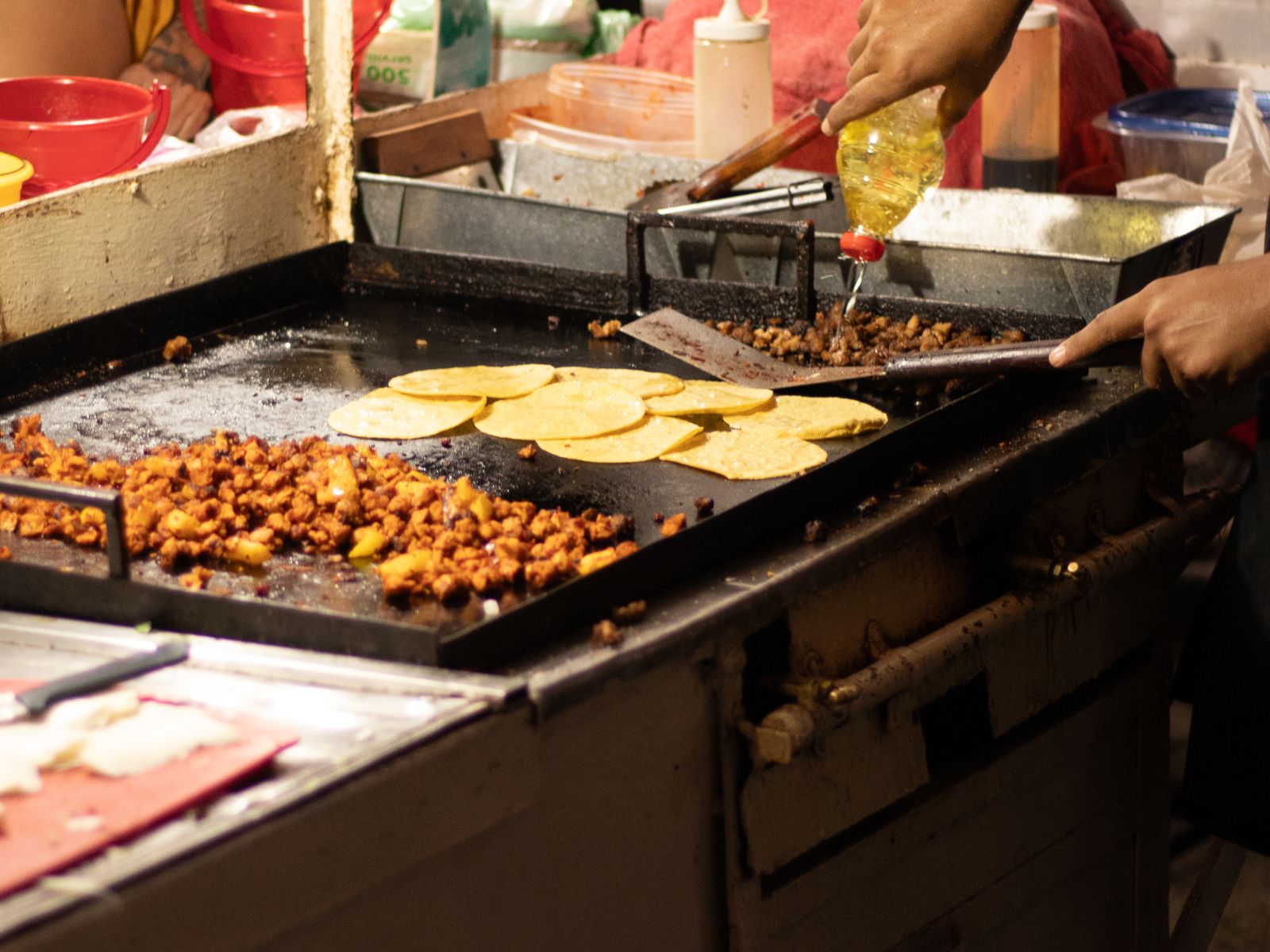
Corn sits at the center of the city’s food culture because it is transformed into tortillas, masa, tostadas, tamales and countless regional forms. At Maizajo, Muñoz and his collaborators treat corn as both ingredient and subject, sourcing different varieties from producers around Mexico. That approach connects urban dining to agricultural biodiversity. It also highlights nixtamalization, the ancient process of cooking corn with an alkaline solution to improve flavor, texture and nutrition before grinding it into masa. When travelers taste a tortilla made from carefully selected native corn, the difference is not simply artisanal branding. It reflects a supply chain and technique that have sustained Mesoamerican food systems for centuries. Understanding that makes even a simple taco more legible.
Chile Is About Flavor Before Heat
Visitors often talk about Mexican chile primarily through spice tolerance, but cooks use different varieties for aroma, fruitiness, bitterness, smoke and color as much as heat. Muñoz emphasizes this distinction, and it is a useful mindset for eating across the capital. A salsa built from roasted chile has a different purpose from one using fresh green varieties, while dried chiles can give a mole depth without making it aggressively hot. Asking what a chile contributes rather than how spicy it is opens a more interesting culinary vocabulary. It also helps diners appreciate why many dishes combine several chiles. Mexico City’s food is sophisticated not because it abandons foundational ingredients, but because cooks understand how many dimensions those ingredients can carry.
Markets Keep the City Connected to Season
Mexico City is too large for romantic claims that every chef visits a small market each morning. Professional kitchens often work with networks of suppliers and farmers, especially for staple ingredients needed in consistent quantities. Yet major markets such as Central de Abasto remain essential for seasonal produce and the scale of the city’s food distribution. Visiting a market allows travelers to see ingredients before they are plated: herbs, fruits, chiles, mushrooms, meats and prepared foods moving through a system that feeds millions of people. That context makes restaurant dining less abstract. A fashionable oyster bar or tasting menu may feel contemporary, but it still exists within the same metropolis where wholesale markets and neighborhood stalls structure how food reaches the table.

The Best Itinerary Mixes Registers
Mexico City rewards diners who resist choosing between “authentic” street food and ambitious restaurants. The distinction is often false. Traditional techniques appear in high-end kitchens, while street vendors may specialize in recipes requiring years of skill. A strong food day might include breakfast from a market stall, a taco queue at lunch, coffee in a neighborhood café and a dinner where chefs reinterpret regional ingredients. The contrast is the point. It shows how a metropolis with deep culinary memory can remain experimental without severing itself from everyday food. The most useful question is not which restaurant is the best in the city. It is what each stop teaches you about corn, chile, technique, sourcing and the people who keep those elements in motion.
Reservations Help, but Curiosity Matters More
Mexico City’s most famous restaurants can require planning weeks or months ahead, but a great food trip should not depend entirely on reservations. Neighborhood taquerias, bakeries, markets and casual lunch counters provide enough depth to fill any unexpected gap. Travelers should use booked dinners as anchors and leave daytime eating flexible, especially because traffic can make crossing the city slower than expected. Choosing several stops within the same area produces a better experience than racing between distant recommendations. It also creates room for discovery: a busy stand, a bakery window or a local specialty encountered without research. The city’s culinary strength is too broad to be optimized into a perfect list. A curious traveler who understands the basic ingredients and asks questions will often eat more memorably than someone following a ranking with military precision. Mexico City rewards attention, not completion. Leaving one meal unplanned also creates room to follow local recommendations, which can point toward neighborhood places that never appear on global reservation lists.