The 2026 Reader Awards produced a travel map governed less by novelty than by confidence. Italy won both the People’s Choice and food categories, Cornwall prevailed twice at home, and familiar European destinations dominated several practical forms of escape. Yet the results were not narrowly cautious: South Africa led wildlife travel, Costa Rica swept the responsible and adventure categories, and Morocco earned the editors’ vote. Taken together, the winners reveal how travelers balance cost, access and uncertainty with a persistent appetite for distance. The list is not a forecast of where everyone will go. It is a snapshot of what felt dependable, restorative or worth the complication to thousands of British readers during a difficult year.
The Pull of the Familiar
Italy’s double victory is the clearest signal in the 2026 results. Readers named it their overall favorite and their leading food destination, placing a country of recognizable pleasures at the center of the list. Naples can be approached through pizza, Florence through art and Sardinia through beaches, yet none of those experiences depends on a single attraction. Italy’s advantage is accumulation: regional cuisines, historic cities and coastal landscapes allow repeat visitors to build a different trip without abandoning a place they already trust.
Japan and New Zealand followed Italy in the People’s Choice category. Japan’s relative value, strengthened by a weak yen, sat beside its unusual combination of temple traditions, urban technology, onsen culture, pilgrimage routes and skiing. The voting therefore did not reject long-haul travel. It rewarded destinations that offer a strong, legible identity at a moment when expense and geopolitical tension can make unfamiliar journeys harder to justify.

Close to Home, Rich in Contrast
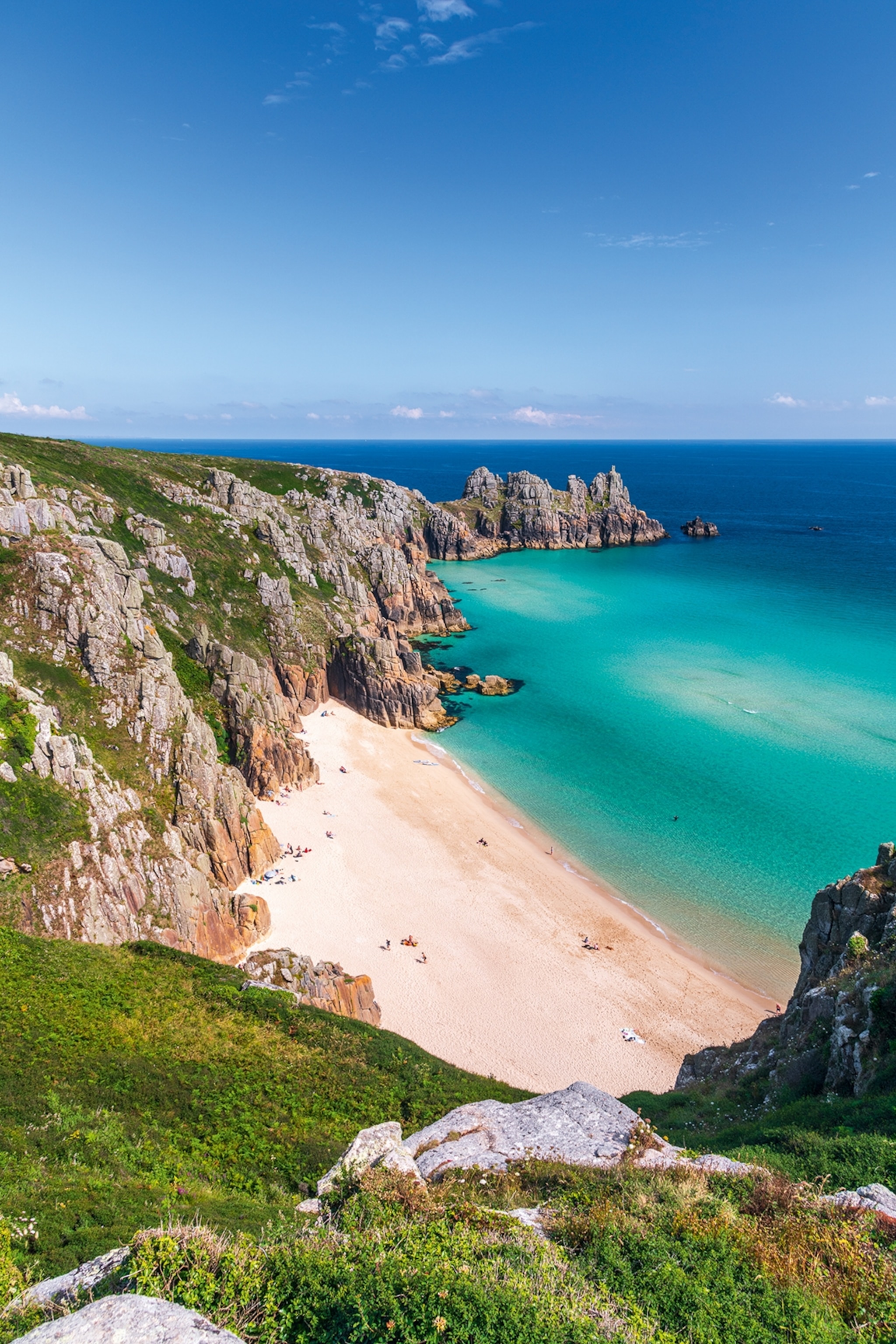
Cornwall won both Coastal Break and UK Destination. Its beaches, coves, cliffs and harbors remain the foundation, but newer additions—beach yoga, saunas, stylish hotels and casual restaurants such as The Hidden Hut—have broadened the proposition. In the domestic vote, Cornwall beat London by only 0.3 percent. That narrow margin captures two competing desires: space and salt air on one side, dense culture and metropolitan energy on the other.
Rome topped City Break after extensive renovation ahead of the 2025 Jubilee. Ticketed access to part of the Trevi Fountain, introduced to reduce the worst crowding, indicates that even an ancient favorite must adjust to pressure. London and Lisbon were runners-up, while Barcelona, Berlin and Copenhagen remained close. France led family travel by combining easy access from Britain with beaches, theme parks, wildlife, food and road-trip flexibility.
Journeys Became Destinations
Transport categories rewarded the experience of movement itself. The Caledonian Sleeper won favorite rail journey, turning a late departure from London into a morning arrival in Scotland. Its branches beyond Edinburgh to Fort William, Inverness and Aberdeen add landscape to the overnight passage. Eurostar and the Orient Express followed, while the combined support for Swiss rail experiences suggested an even broader enthusiasm for watching Alpine scenery unfold from a carriage.
Route 66 won the road-trip category in its centenary year. The 2,448-mile road from Chicago to Santa Monica compresses eight states, small-town welcomes, neon motels, diners and large American landscapes into a single itinerary. Norwegian fjords led journeys by ship, where the attraction lies in close-range views of steep cliffs, waterfalls, glaciers and sheltered harbors, along with the convenience of departures from UK ports.
Nature With a Clear Promise
South Africa prevailed for wildlife because its safari infrastructure makes major encounters comparatively accessible. Kruger offers a strong first journey, while the Kalahari, Northern Cape and Eastern Cape serve different interests and comfort levels. The absence of jet lag for British travelers and the possibility of adding Cape Town, the Garden Route or the Winelands strengthened an already diverse proposition.
Costa Rica won both Responsible Travel and Adventure. More than a quarter of its land is protected, and over 400 hotels and tour operators hold gold-standard approval from the Global Sustainable Tourism Council. Corcovado National Park alone contains 2.5 percent of the planet’s terrestrial species. Cloud forests, volcanoes, rivers and surf beaches give conservation a tangible landscape, which helps explain why the country received four-and-a-half times Norway’s vote in the responsible category.
The Lake District led hiking, Iceland took winter travel and Morocco became the Editors’ Pick after welcoming just under 20 million international visitors in 2025. The Lake District’s 1,930 miles of mapped trails allow walkers to choose between demanding ridges and gentler lake circuits. Iceland turns darkness into an asset through aurora viewing, frozen landscapes and geothermal bathing. Morocco compresses desert camps, Atlantic surf towns, old medinas and Atlas Mountain hikes within a flight of under four hours from Britain.
These choices differ dramatically, but each offers a concise answer to a traveler’s question: where can I walk, see wildlife, eat well, travel slowly or feel far from routine? The awards also show that responsibility is no longer isolated from pleasure: Costa Rica won because protection produces remarkable experiences, not because travelers were asked to accept less. In 2026, clarity appears to have mattered as much as novelty.