Vancouver’s hospitality scene is entering the 2026 World Cup period with a challenge unique to the city: how do you design an indoor experience that competes with mountains, ocean and neighborhoods built for being outside? The answer is increasingly varied. Historic luxury hotels, tiny Victorian guesthouses, retro motor inns and newly renovated design properties are all leaning into different versions of Vancouver rather than a single generic idea of upscale travel. The city’s strongest hotels work because they help guests choose a relationship to the destination—social or private, heritage-driven or contemporary, downtown or residential. In a place where a morning can begin by the water and end in the mountains, location and atmosphere matter as much as thread count.
Small Hotels Can Feel More Local
O Canada House in the West End demonstrates why scale can be an advantage. With only eight rooms inside a restored Victorian home, the property feels closer to a country inn than a conventional downtown hotel. Its appeal comes from domestic details: a shared lounge, garden deck and pantry stocked with baked treats. The building is also associated with the early history of Canada’s national anthem, which gives the stay a narrative connection to place. Boutique accommodation works best when intimacy does not become inconvenience, and the central West End location helps. Guests can walk toward downtown attractions, Stanley Park or neighborhood restaurants while returning to a property that feels residential. For travelers who dislike the anonymity of large towers, that contrast can be more luxurious than a dramatic lobby.
Heritage Hotels Still Carry Cultural Weight
Vancouver’s older luxury properties offer a different experience. Hotels such as the Wedgewood have built reputations around formal service, traditional interiors and the kind of continuity that attracts repeat guests and high-profile visitors. Their value lies partly in resisting the pressure to redesign every few years around the latest aesthetic trend. In a fast-changing city, a hotel with a recognizable identity can feel stabilizing. Heritage, however, works only when the physical experience remains well maintained and relevant. The strongest historic properties update comfort, technology and food while preserving the atmosphere that made them distinctive. Travelers should therefore think beyond age when choosing a classic hotel. The question is whether the property feels intentionally timeless or simply dated.
World Cup Demand Raises the Stakes
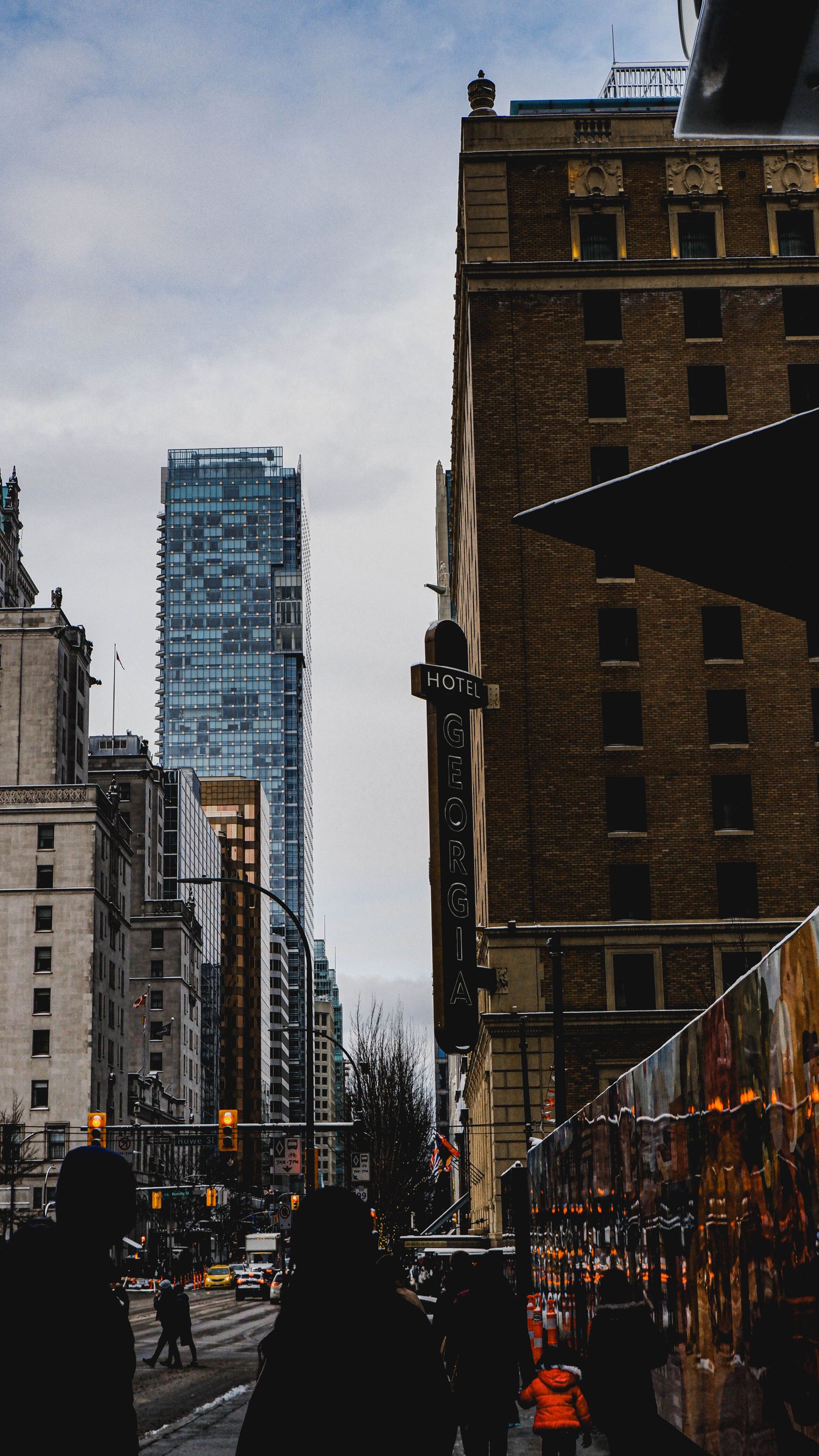
Vancouver is one of the host cities for the 2026 FIFA World Cup, bringing a surge of international visitors and placing unusual pressure on accommodation supply. Major events can expose both the strengths and weaknesses of a hotel market. Central locations become more valuable, rates rise sharply and guests pay closer attention to transport connections. Properties that normally market themselves around leisure or romance may need to serve groups whose schedules revolve around matches. For travelers, this means booking earlier and considering neighborhoods outside the immediate downtown core if transit is reliable. The event also encourages investment. Renovations, new bars and refreshed public spaces are often timed to coincide with increased visibility, leaving a hospitality legacy after the tournament ends.
The Best Stay Depends on How You Use the City
Vancouver rewards travelers who match their hotel to their daily rhythm. A visitor planning early hikes or ski days may value easy vehicle access and practical storage more than a fashionable lobby. Someone focused on restaurants and nightlife may prefer Gastown, Yaletown or downtown walkability. Families often benefit from larger rooms and kitchen facilities, while solo travelers may care more about communal spaces and neighborhood safety after dark. The city’s geography makes these distinctions important because water, bridges and mountain routes can turn short distances into longer transfers at busy times. A hotel should reduce friction rather than create another attraction to manage. The most impressive property on paper is not necessarily the best choice if every day begins with an inconvenient commute.

Hospitality Mirrors Vancouver’s Contradictions
Vancouver is simultaneously polished and outdoorsy, international and neighborhood-driven, expensive and deeply casual. Its hotel scene reflects those tensions. A restored Victorian home can compete with a luxury tower because travelers are not buying the same experience from each. Retro motor inns appeal for a similar reason: they offer personality in a city where new development can sometimes feel visually uniform. The World Cup will temporarily intensify demand, but the longer-term trend is more interesting. Hotels are becoming better at expressing distinct local identities rather than relying on generic Pacific Northwest styling. For visitors, that diversity is useful. Vancouver does not require one ideal hotel. It rewards choosing the place that makes the version of the city you want to experience easier to reach.
Booking Strategy Matters in 2026
Travelers visiting during World Cup dates should assume that hotel choice will be constrained by demand and that flexibility has value. Booking a refundable rate early can protect against price increases while preserving the option to move if plans change. It is also worth checking transit time to BC Place rather than relying on straight-line distance, particularly for properties across bridges or outside the downtown peninsula. Visitors arriving at other times can take advantage of the same expanded hotel scene without tournament pressure. Shoulder seasons may offer better rates and a more relaxed city, although weather becomes less predictable. Vancouver’s accommodation market is expensive by North American standards, so the smartest choice is often not the cheapest room but the one that reduces transport costs and daily friction. A well-located stay can return hours to the trip, which is a meaningful form of value in a city with so much competing for attention.