Supermodel history is often remembered as a succession of recognizable faces, but the faces were doing work. Lisa Fonssagrives-Penn brought a dancer’s command of the body to fashion photography; Twiggy made a sharply defined visual presence central to the image of the 1960s; Naomi Campbell gave runway movement an authority that museums have since examined as a professional contribution. Later generations added new relationships with television, social platforms, and independent business. Looking across that history reveals a changing occupation as much as a changing ideal of beauty. The model supplies posture, timing, and interpretation within a collaboration, helping a garment or photograph become memorable. Fame enlarges the result, but the skill that produces it deserves to remain visible beside the name.
Start With a Body Learning to Pose
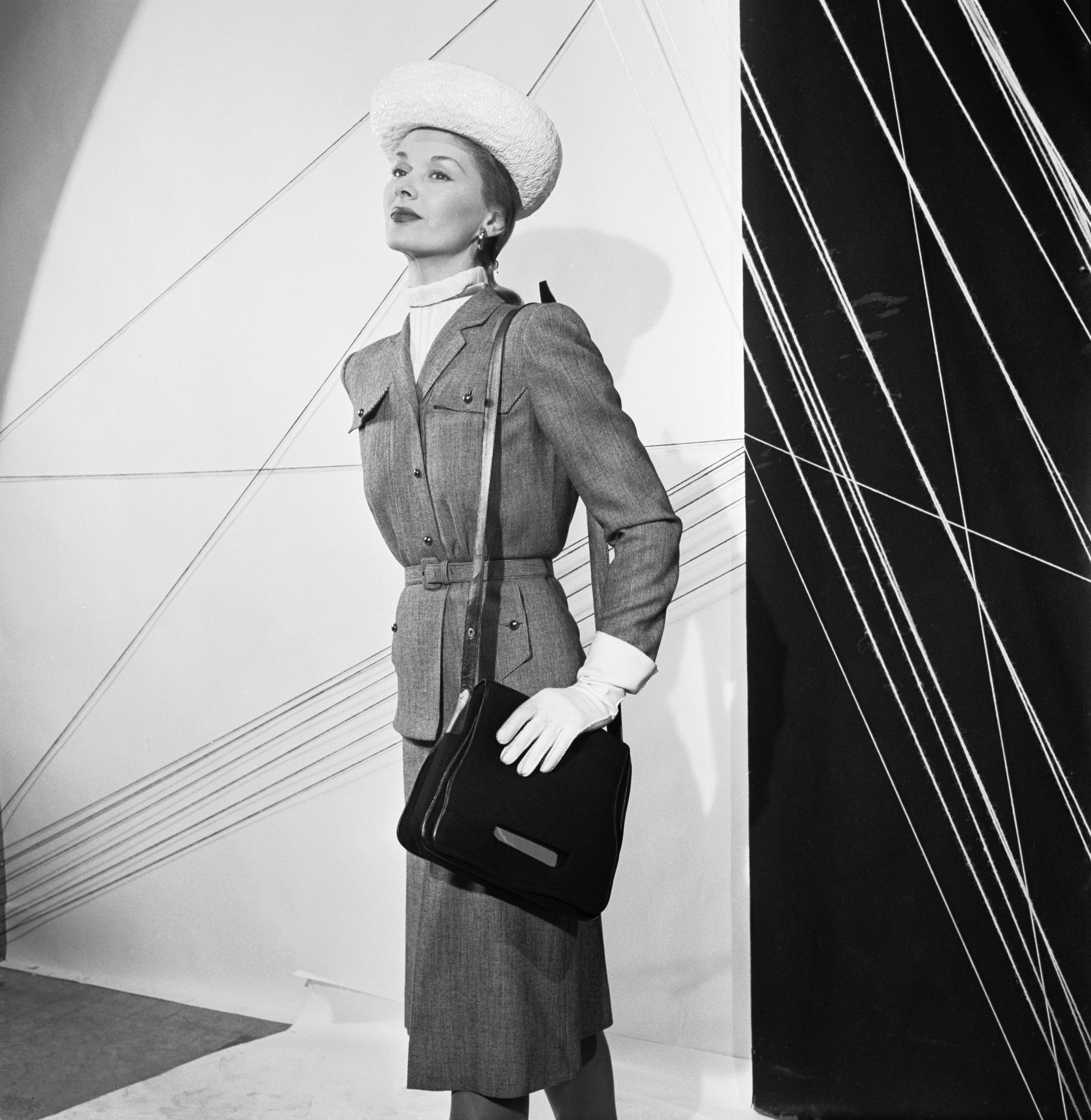
Lisa Fonssagrives-Penn trained as a dancer and later worked as a model, photographer, and sculptor. Her history gives fashion posing a context beyond the assumption that a striking appearance is sufficient. Dance develops an awareness of the body in space: where weight rests, how a line extends, and what a small adjustment does to the whole shape. A fashion photograph can use that knowledge even when the final image appears still. Stillness is not the absence of physical decisions.
Her collaborations with photographers including Irving Penn make those decisions part of a larger process. The photographer chooses frame and light; the model supplies an embodied interpretation of clothes and direction. The finished image belongs to that encounter. Describing Fonssagrives-Penn only as an early supermodel can identify her status while overlooking how the photograph was made. Her practice is more revealing when considered as an active contribution to the form, one that helped turn garments into images with a lasting visual structure.
Twiggy Makes Recognition Compact
Twiggy’s short hair and strongly defined eyes produced an immediately recognizable image. The concentration of those features made her appearance travel effectively through photographs, connecting an individual model with the visual vocabulary of Mod fashion. Twiggy’s compact haircut and emphatic lashes give recognition a few unmistakable visual coordinates. Hair, makeup, expression, and the photographic frame worked together to give the image a distinctive outline that audiences could identify quickly.
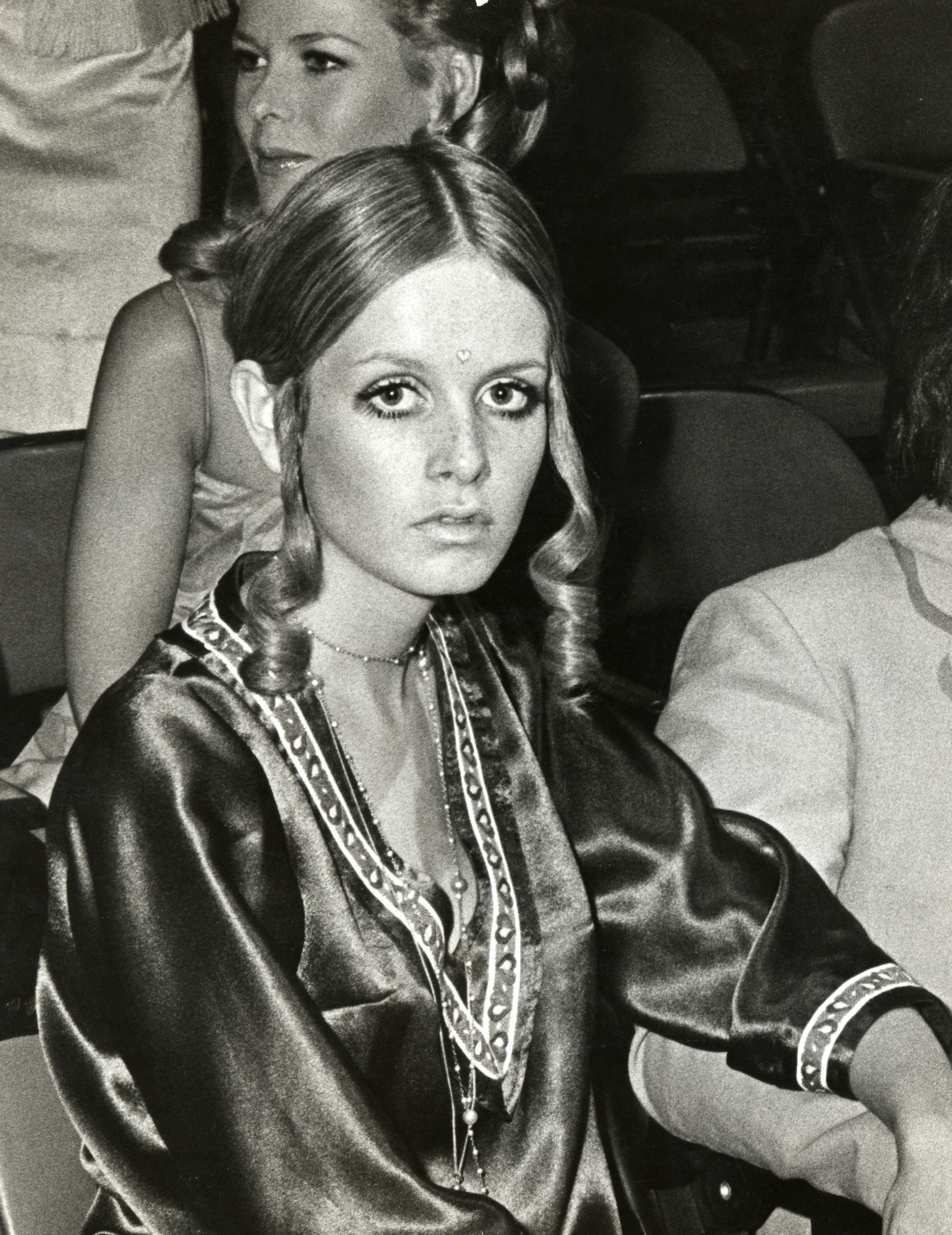
That outline also illustrates how a model can become a shorthand for a period while remaining a person with work beyond the shorthand. Historical summaries tend to preserve the familiar look and compress the professional life around it. The compression is useful for recognition but limited as an account of labor. A model’s contribution includes repeated performance within changing assignments. The iconic image is one result of that work, not a complete record of everything required to keep appearing in front of a camera.
The Runway Has Its Own Technique
Naomi Campbell’s presence makes the difference between photographic posing and runway performance especially clear. A runway walk unfolds over time, with turns, pace, and the behavior of clothes forming one continuous encounter. The model must give the garment a readable shape while moving through a room whose audience sees it from different angles. A photograph can be selected from many attempts; a walk has to sustain its authority as it happens. The skill is not identical to looking striking in a still image.
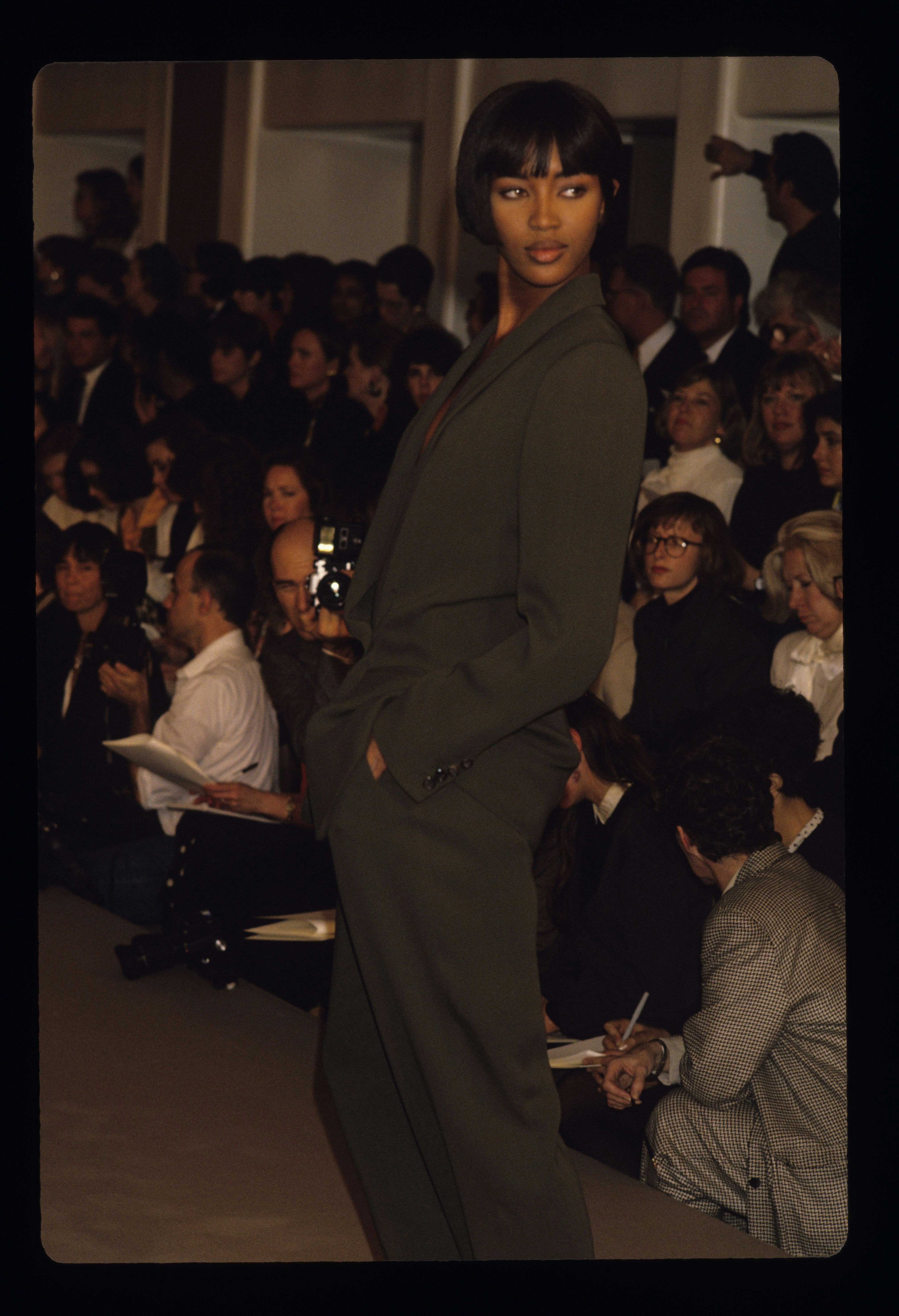
The V&A’s NAOMI: In Fashion exhibition foregrounded Campbell’s professional contribution and perspective, using clothing and other material to examine her career. The museum setting changes the conventional relationship between model and garment. Instead of presenting her chiefly as a body on which designers’ work appeared, it considers what her participation added. A runway look becomes part of a history shaped by the person who moved in it, with performance treated as a contribution worthy of being studied.
Visibility Has Never Been Distributed Evenly
Beverly Johnson and Pat Cleveland belong to a history in which racial barriers affected who received opportunities and how their work was recognized. Their careers should not be discussed only as inspirational exceptions. The barriers were part of an industry’s organization, influencing access to agencies, publications, and runways. A model’s achievement exists alongside those conditions. Recognition can celebrate a career while still examining the structures that made some people’s entry more difficult than others’.
The point also changes the meaning of an iconic group photograph. Several familiar faces together may represent an era, but the selection does not contain everyone who helped shape that era. Archives preserve particular forms of visibility, often more readily than the labor or exclusion surrounding them. Looking at supermodel history through professional skill and access makes room for a fuller account, one in which the celebrated image remains important without becoming the sole evidence of who mattered.
A Name Can Travel Beyond Modeling
Cindy Crawford, Gisele Bündchen, Karlie Kloss, and later generations illustrate how a recognizable model can participate in businesses and public projects beyond a runway or campaign. The occupational boundaries become less clear as a name acquires uses in television, publishing, philanthropy, or an independent brand. That expansion does not mean the original work was incidental. Modeling can provide the image and professional relationships through which another activity becomes visible, while the new activity introduces responsibilities that differ from a fashion assignment.
Social platforms intensify that relationship by allowing a model to publish images outside a magazine’s schedule. The person represented can become a more direct participant in deciding what appears, though commercial commitments and platform formats still shape the result. The image travels through another distribution system, and the model’s public identity can become part of the product. Publishing a personal feed joins the continuing work of interpreting a garment, holding a pose, and performing a convincing walk.
The history therefore need not end with a claim that today’s models are more visible or more authentic than earlier generations. Fonssagrives-Penn’s pose, Twiggy’s sharply organized image, and Campbell’s runway movement offer distinct forms of authorship within collaboration. Each reminds the viewer to look for the decisions inside a familiar face. The photograph stays still, but the work that made it was active.