The Essex coast is better known for estuaries and seaside towns than for islands, yet more than 30 sit along this low-lying edge of eastern England. Mersea, Wallasea, Osea and Horsey show how varied that island world can be, from beach huts and oyster shacks to restored wetlands and places accessible only when the tide allows. The attraction is not tropical escape but a quieter geography of mudflats, shingle, grazing marsh and wide skies. These islands reward travelers who pay attention to practical details—tide tables, seasonal access and walking conditions—and who are willing to move slowly. In return, they reveal a version of Essex that feels far removed from the commuter towns usually associated with the county.
Mersea Makes Island Life Easy to Enter
Mersea Island is one of the largest and most accessible places to begin. It sits only a short distance from Colchester and is reached by the Strood, a tidal causeway that immediately makes the rhythm of the sea part of the journey. Pastel beach huts line stretches of shore, fishing boats sit in shallow water and oyster culture remains central to the island’s identity. At Cudmore Grove, cliffs and mudflats preserve fossils hundreds of thousands of years old, adding geological depth to what might otherwise feel like a simple seaside day. Vineyards on the island point to another long local tradition. The charm of Mersea is its mixture of habitability and exposure: you can eat well and find familiar comforts, yet the surrounding estuary never lets you forget that access is governed by water.
Wallasea Shows What Rewilding Can Look Like
Other Essex islands are less about beach culture than ecological restoration. Wallasea has become associated with large-scale habitat creation, where former agricultural land has been reshaped into saltmarsh, mudflat and lagoon environments valuable to birds and other wildlife. Projects like this matter because coastal wetlands are among the landscapes most vulnerable to development and sea-level change, yet they also provide flood protection and biodiversity benefits. For visitors, the experience is deliberately understated. There may be no grand monument beyond the horizon, the birds and the engineered return of tidal processes. That simplicity can be a strength. It turns the trip into an exercise in noticing: changes in light, water levels, bird movement and the subtle boundary between land and sea.
Osea Adds Mystery Through Access
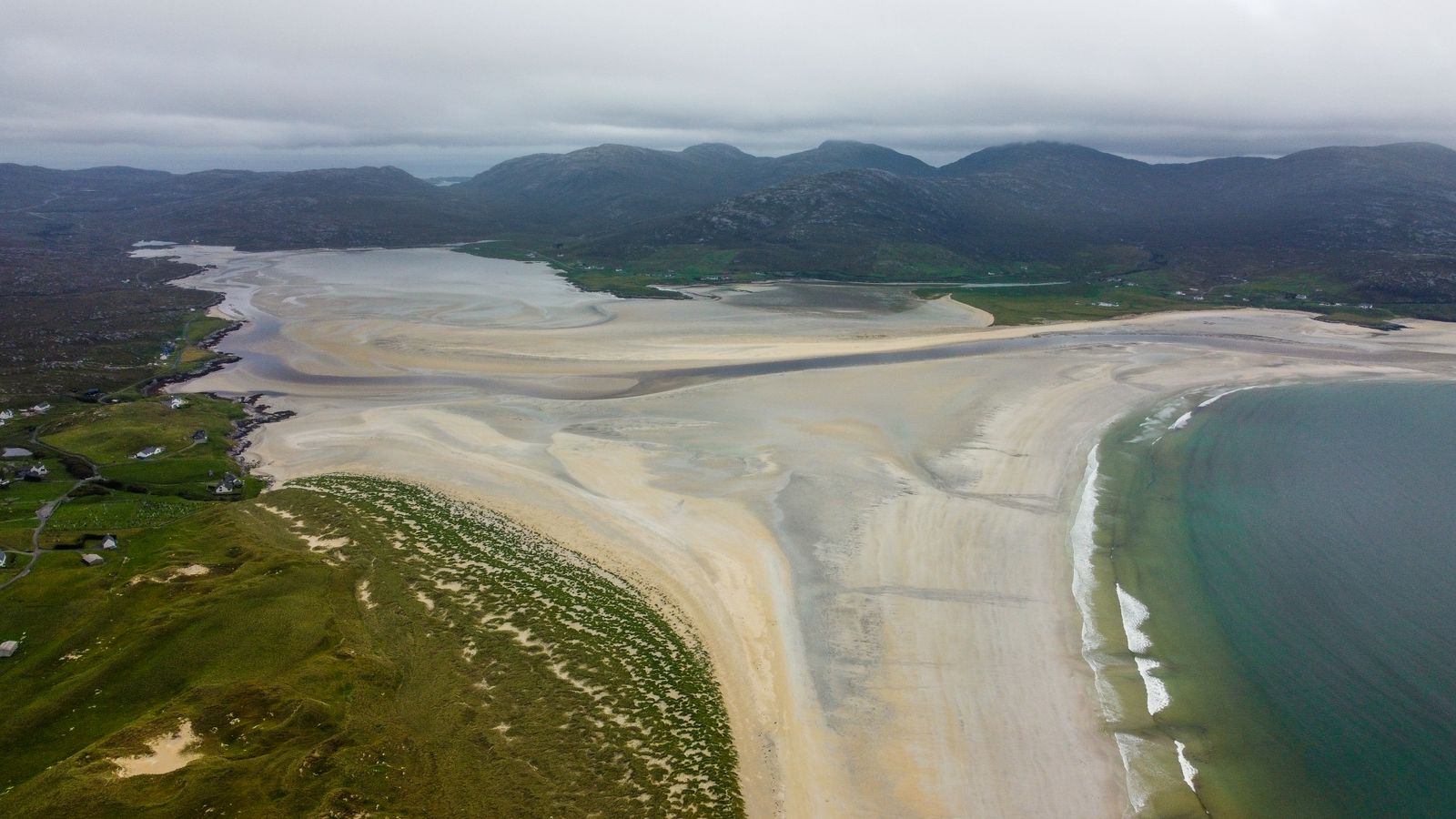
Osea Island has long carried an air of separation because its tidal causeway is usable only at certain times. That practical fact produces a sense of ritual: arrival and departure must be planned around the water, not personal convenience. Private ownership and controlled access distinguish it from more public islands, but its presence in the estuary contributes to the region’s atmosphere of hidden geography. Essex’s coast is full of places that appear connected on a map and become isolated at high tide. For travelers, this is a reminder that coastal England was shaped by older transport patterns and defensive landscapes long before modern roads made movement predictable. An island journey here is often less about distance than about timing.
Horsey and the Appeal of the Unpolished Coast
The county’s wilder islands and marshes appeal to travelers who are comfortable without the facilities of a classic resort. Shingle, mud and grazing land create landscapes that change dramatically with weather. The reward is wildlife and a feeling of openness rare this close to London. Horsey Island and surrounding estuaries fit that mood, where seals, birds and tidal creeks can be more memorable than any built attraction. Good footwear and realistic expectations matter. These are not places to visit in search of manicured promenades or guaranteed sunshine. Their beauty lies in exposure: wind across flat water, low winter light, summer saltmarsh and the constant evidence that the coast is moving.

Travel by Tide Table, Not by Clock
The common thread across Essex’s islands is that they resist a purely urban schedule. Tides can close roads, footpaths become muddy and wildlife seasons change what a visitor is likely to see. Planning therefore begins with natural conditions rather than opening hours. That modest adjustment changes the experience. Instead of treating the coast as scenery arranged for consumption, travelers become temporarily accountable to its rhythms. Essex’s islands are close enough for day trips yet strange enough to feel like a different county. They show that island travel does not require remoteness or dramatic cliffs. Sometimes the decisive ingredients are simply water, timing and a willingness to look beyond the place-name stereotypes that keep quieter landscapes hidden in plain sight.
Practical Planning Protects the Experience
Essex’s tidal geography makes preparation part of the trip. Visitors should check causeway times before driving to Mersea or any other location where high water can interrupt access, and coastal weather deserves more respect than a short distance from London might suggest. Binoculars, waterproof footwear and layered clothing can transform a windy day from uncomfortable to enjoyable. Wildlife areas also require restraint: dogs may need to be controlled around nesting birds or grazing animals, and some paths are seasonal. The islands are most rewarding when travelers accept these rules as part of the landscape rather than obstacles to convenience. A tide table is not merely logistical information; it is a reminder that the coast operates on a schedule older than tourism. Planning around it allows visitors to move safely while preserving the slow, slightly detached atmosphere that makes these islands feel distinct.