An izakaya meal is assembled gradually: a skewer arrives from the grill, raw fish follows on a cool plate, dumplings hiss from a pan and a pot of broth keeps simmering somewhere behind the counter. The format dates to Edo-period sake shops that began letting customers drink on the premises with simple snacks, but its modern power lies in flexibility. Friends and colleagues can share several textures without committing the evening to a formal sequence. Yakitori, sashimi, gyoza, karaage and oden do more than cover Japan’s best-known pub dishes. Together they show how smoke, knife work, frying, regional rivalry and patient simmering create the social rhythm of an izakaya.
The Room Comes Before the Menu
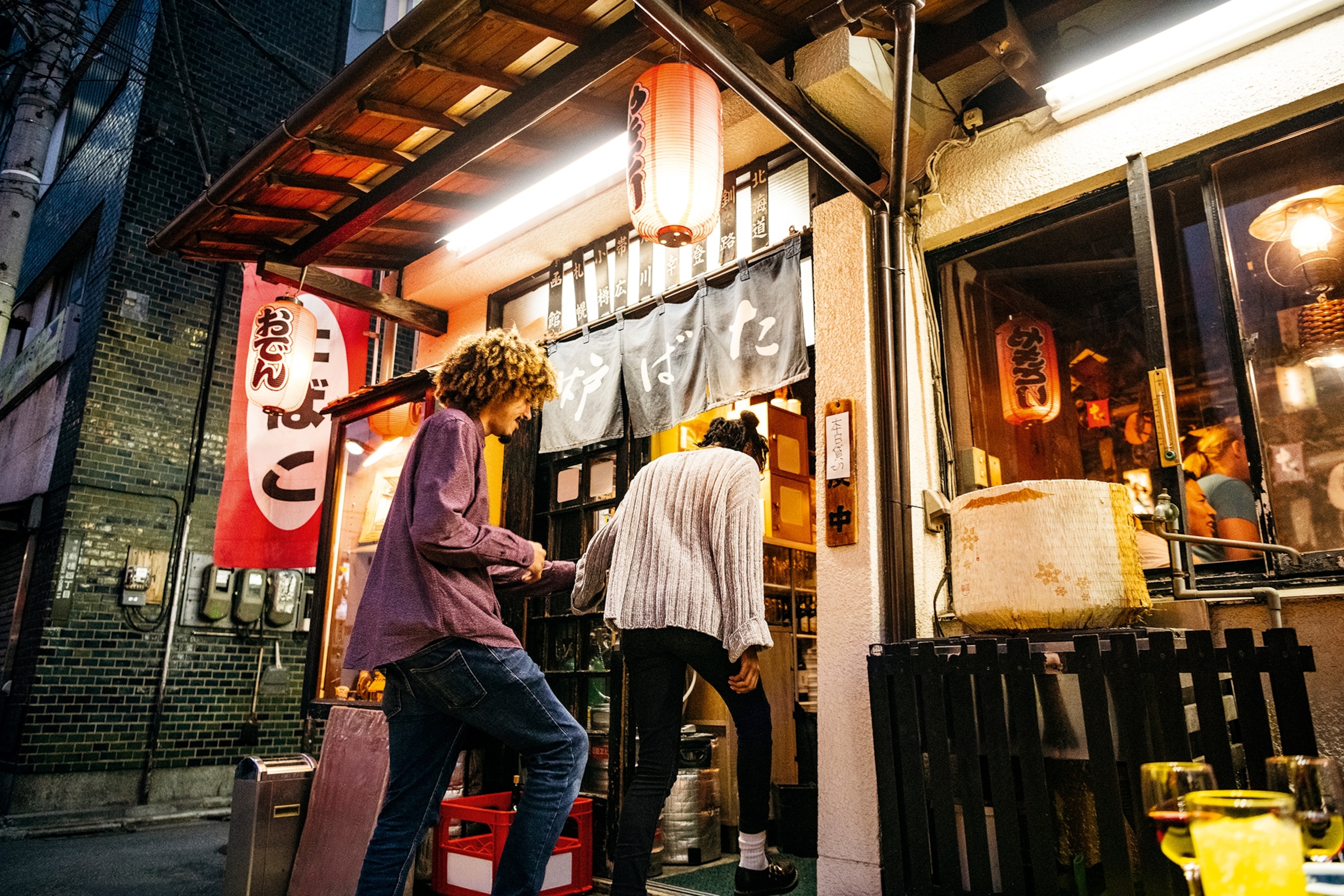
Red lanterns, grill smoke and conversation spilling into an alley usually announce an izakaya before a sign does. Inside, guests sit close together and order drinks alongside a succession of small plates. The tradition reaches back to the Edo period, from 1603 to 1868, when sake shops began permitting customers to drink on site and added uncomplicated snacks. The establishment became a place to linger rather than merely purchase.
That history explains why no single dish defines the experience. An izakaya table is cumulative and communal. Each order changes the balance—something charred after something raw, a crisp dumpling beside a highball, a warm broth when the night turns cold. The meal is shaped by appetite and conversation rather than a fixed progression.
Smoke, Salt and Skilled Knives
Yakitori brings the grill to the foreground. Chicken pieces are threaded onto skewers, cooked over coals and finished either with salt or tare, a glaze made from soy sauce, mirin and sugar. Its roots lie in Meiji-period street vending, when cooks used less desirable cuts. Wider access to affordable poultry after the Second World War helped turn it into a pub standard. Tokyo neighborhoods such as Shinbashi, Omoide Yokocho and Koenji place the dish in very different urban settings, from after-work lanes to creative local bars.
Sashimi works through restraint rather than flame. Tuna, salmon and sea urchin appear without rice, exposing the quality of the ingredient and the precision of the cut. Techniques developed during the Edo period, while refrigeration in the 1930s allowed the dish to travel beyond coastal communities. Around Kanazawa’s Omicho Market, asking for the chef’s osusume places the decision with the person best positioned to judge the day’s catch.
Two Kinds of Crunch
Gyoza adapt Chinese jiaozi into a thinner-skinned dumpling with a higher proportion of filling. The common yaki style is pan-fried, then briefly steamed, producing a crisp base and tender upper wrapper. Pork, cabbage and garlic form the classic center, though seafood and vegetables are frequent alternatives. Soy sauce, rice vinegar and chili oil sharpen each bite. Utsunomiya and Hamamatsu have turned their competing claims to gyoza distinction into a friendly regional rivalry.
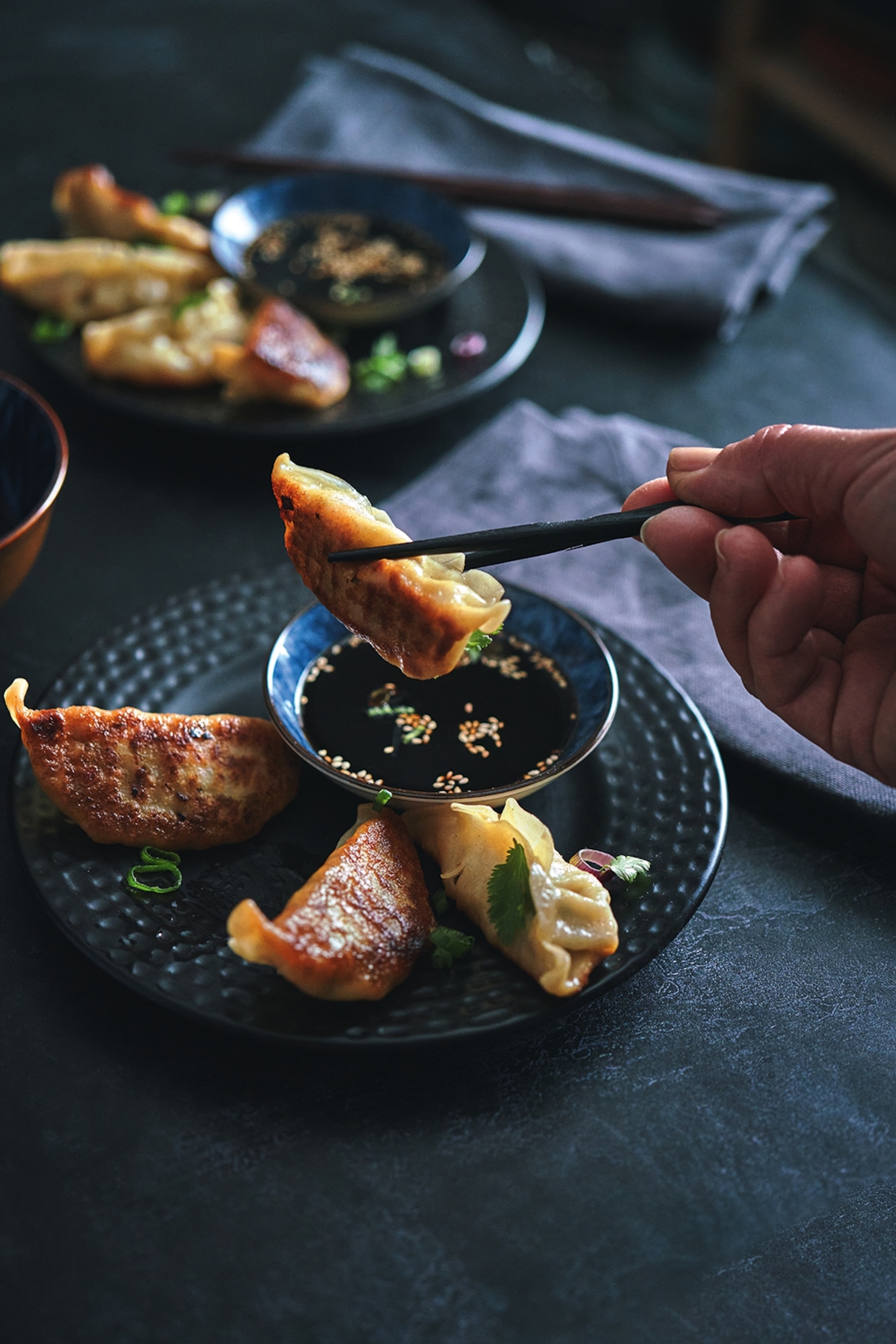
Karaage offers a different architecture. Chicken thigh is marinated with soy sauce, sake, ginger and garlic, lightly coated in potato starch and deep-fried. The thin shell remains crisp while the center stays juicy, distinguishing it from heavier styles of fried chicken. Chinese frying techniques influenced its development, and affordable postwar poultry accelerated its popularity. Ginza and the city of Usa have long associations with the dish, while Nakatsu is widely identified as Japan’s karaage capital.
The Pot That Marks Winter
Oden changes the temperature and tempo of the table. Daikon, tofu and fish cakes simmer for hours in dashi made from kombu and dried bonito flakes. The ingredients absorb the broth gradually, and a dab of Japanese mustard adds heat at the edge. As colder weather approaches, large pots become a familiar sight in izakayas across the country.
Regional versions matter. Shizuoka is known for a darker broth and the inclusion of beef tendon, and Aoba Oden Street in Shizuoka City concentrates the local style in one destination. Warm junmai sake suits the dish’s savory depth, just as a highball refreshes after yakitori, lager cuts through gyoza and a lemon sour brightens karaage.
Regional destinations deepen the five-dish map. Shinbashi places yakitori within Tokyo’s office-worker rush, while Koenji offers smaller bars associated with a more creative local scene. Kanazawa links sashimi to Omicho Market and the day’s catch. Utsunomiya and Hamamatsu turn dumplings into civic identity, and three cities in Ōita Prefecture—Usa, Nakatsu and their surrounding area—make fried chicken part of a wider local history. Shizuoka claims both a recognizable oden style and a street devoted to serving it.
Ordering also reveals the kitchen’s timing. Yakitori is best received straight from the coals, gyoza needs its crisp base intact, and sashimi should not wait while a group debates the next round. Oden behaves differently: the pot is ready, but its ingredients have spent the day acquiring flavor. A good table alternates immediate dishes with those built through patience.
These pairings are suggestions rather than rules. The deeper lesson is contrast: hot and cold, raw and fried, quick grilling and daylong simmering. Salted skewers can precede delicate fish; dumplings can interrupt a conversation; broth can lengthen the final drink. An izakaya lets those opposites share one small table. Its enduring appeal comes from that adaptable grammar—order another plate, pour another drink and allow the evening to find its own shape.