At first glance, New York City's 2026 wave of bars, restaurants, and clubs looks like a story about newness; in practice, it says more about how hospitality design is shifting from instant visual impact toward spaces that also reward lingering, conversation, sound, and repeated visits. New York's 2026 hospitality scene included a steady flow of new and recently opened bars, restaurants, and clubs across multiple neighborhoods. The category spans very different programs, from intimate listening rooms and cocktail bars to large restaurants and late-night venues. The strongest rooms are not simply backdrops for a first photograph; they manage lighting, acoustics, seating, circulation, and identity well enough that the experience changes as the night progresses. Rather than treating the moment as a checklist of products, names, or announcements, the more useful approach is to ask what changes for the people who actually use,
From Concept to Occupation
New York's 2026 hospitality scene included a steady flow of new and recently opened bars, restaurants, and clubs across multiple neighborhoods. The category spans very different programs, from intimate listening rooms and cocktail bars to large restaurants and late-night venues. A room can win the first ten seconds with a sculptural bar or saturated wall color; the harder achievement is making guests still like the room after two hours of sitting, listening, eating, and waiting. The important point is not simply that these details exist, but that together they define the conditions of the story: who is making the decision, what has changed, and why the moment now feels different from an ordinary product release, workplace adjustment, episode recap, or interior refresh.
The most persuasive interiors are rarely collections of objects alone. They organize movement, attention, acoustics, light, and memory, allowing a commercial or domestic space to communicate before a visitor reads a sign or studies a material specification. In this case, that context sharpens hospitality as a performance system rather than a static composition. It also keeps the article from mistaking visibility for significance; the most photographed or repeated detail may open the story, but it is the relationship among the details that gives the subject its editorial weight.
Craft, Light, and Movement
Hospitality interiors must coordinate kitchen or bar operations, guest circulation, lighting, acoustics, storage, accessibility, and life-safety requirements within a highly expressive environment. Small New York footprints often require furniture and circulation to perform more than one role over the course of a service period. Those facts create a more useful frame than hype alone. They show how the subject works at the level of format, process, casting, policy, material, or service rather than leaving it as an abstract trend. Designers have to choreograph what guests see while also making invisible work—clearing tables, moving glassware, handling coats, managing queues—possible without constant friction.
Adaptive reuse makes that task more demanding because the designer is working with two timelines at once. Existing structure carries physical and cultural information, while new uses require comfort, accessibility, services, and a clear identity in the present. That makes comparison important. The relevant question is not whether every consumer, institution, viewer, or visitor should respond in the same way, but which conditions make the idea work and which conditions expose its limits.
Commercial Space as Social Space
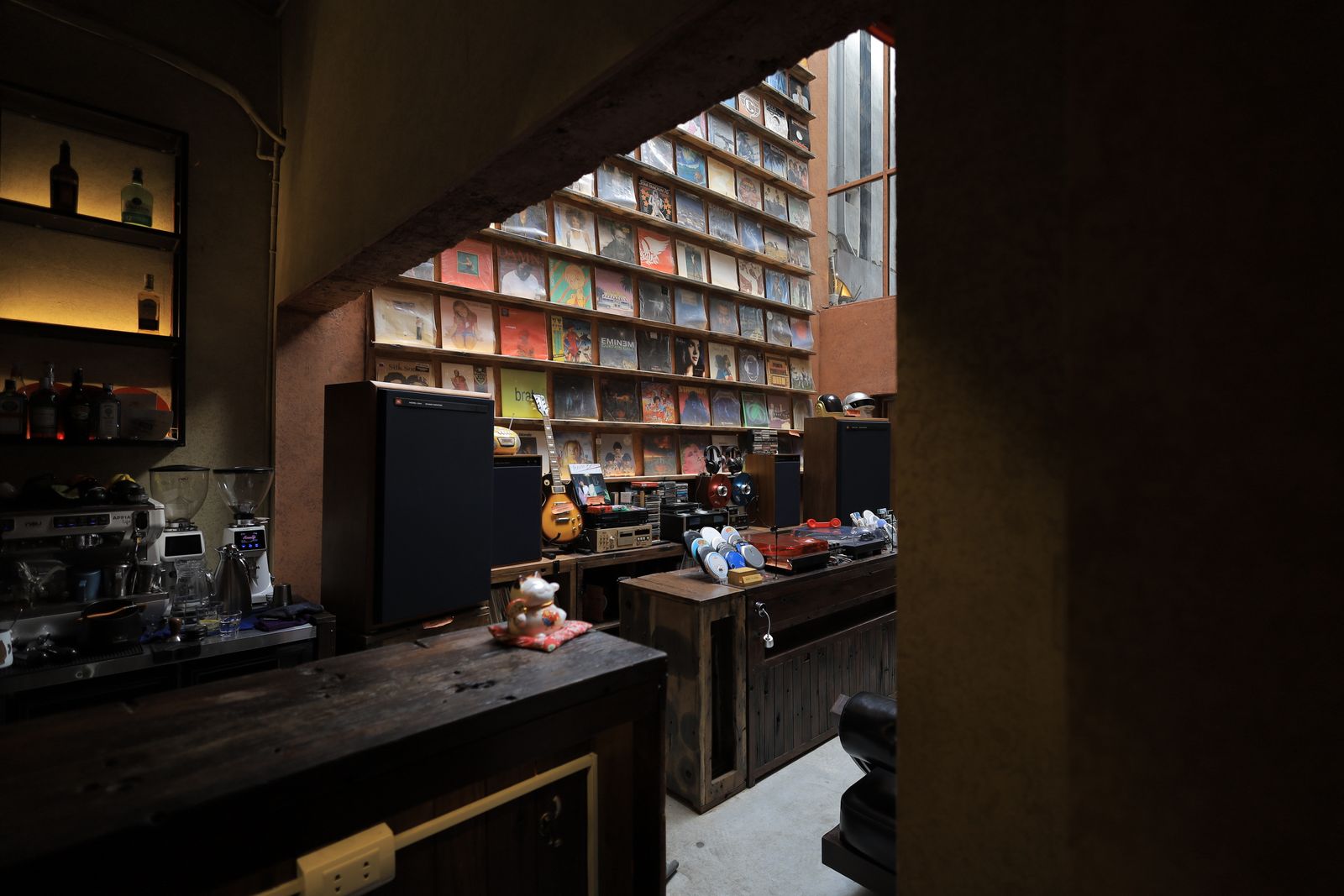
Lighting is especially consequential because a room may need to feel legible at opening time and more atmospheric later without becoming unsafe or difficult for staff. Sound has become a more deliberate design concern as restaurants and bars compete not only on appearance but on whether conversation and music can coexist comfortably. This is where the story moves from announcement to experience. The subject is interpreted through repeated choices: what gets emphasized, what becomes optional, what is standardized, and what remains dependent on individual judgment. The most memorable venues often balance one strong visual idea with many quieter operational decisions that users feel without consciously noticing.
Preservation is therefore not synonymous with keeping everything untouched. In many projects, continuity comes from proportion, craft, structure, or ritual while new elements make the building usable again. The design judgment lies in deciding what deserves emphasis and what can change. For New York City's 2026 wave of bars, restaurants, and clubs, the tension is particularly visible in the pressure to create an instantly shareable interior and the slower economics of repeat visitation. That tension is productive when it leads to better choices and clearer expectations rather than simply producing another layer of marketing language or speculation.
The Discipline of Restraint
Custom furniture and material palettes create identity, but durable surfaces and repairability matter in venues with heavy nightly turnover. The popularity of social media means new interiors are photographed immediately, creating pressure for a recognizable visual moment. Those details also define the boundary of what can responsibly be claimed. A roundup of new spaces can capture a moment in taste, but no photograph can establish how well a venue functions over months of service. An editorial reading can still be enthusiastic, skeptical, or aesthetically engaged without turning uncertainty into certainty.
The central tension is between atmosphere and legibility. A space can be theatrical without becoming confusing, and it can preserve traces of history without freezing them into décor. The best interventions make the relationship between old and new easy to feel even when it is not explicitly explained. The point is not to remove pleasure from the story. It is to make the pleasure more durable by separating what has been demonstrated from what is merely possible, and by recognizing that users and audiences bring different needs, tastes, and tolerances to the same idea.

When the Idea Survives Use
Repeat business, however, depends on operational comfort and hospitality long after the launch images stop circulating. The next hospitality trend worth watching is less a color or material than a return to rooms that prioritize acoustic comfort, adaptable seating, and a sense of occasion without exhaustion. Seen this way, the subject is not a finished verdict but a snapshot of a system in motion. Products will be reformulated, software will be updated, series will continue, stores will age, and cultural labels will change; the useful editorial task is to identify which underlying choices are likely to remain meaningful when that happens.
That is why the project matters beyond its visual signature. It shows how design can turn constraints into character, using what is already present as a framework rather than treating the past as an obstacle. The real design test begins after the opening-week camera crews leave. The strongest takeaway is therefore not a command to buy, believe, visit, or predict. It is a clearer understanding of why this moment matters now and what evidence will matter next.