At first glance, the rise of skincare-infused makeup looks like a story about newness; in practice, it says more about how color cosmetics are being asked to feel comfortable for longer while delivering familiar visual payoff. A 2024 beauty edit highlighted makeup products positioned with skincare-oriented benefits, including hydrating concealers and lip products designed to resist a cracked or dry feel. The category reflects a broader convergence between color cosmetics and skincare ingredient language. The useful shift is not the idea that makeup can replace skincare, but that formulas can be designed with wear comfort, hydration, and skin feel in mind. Rather than treating the moment as a checklist of products, names, or announcements, the more useful approach is to ask what changes for the people who actually use, watch, enter, or live with it. Trend cycles move quickly in beauty, but
Why This Moment Landed
A 2024 beauty edit highlighted makeup products positioned with skincare-oriented benefits, including hydrating concealers and lip products designed to resist a cracked or dry feel. The category reflects a broader convergence between color cosmetics and skincare ingredient language. A foundation or lipstick lives on the skin for hours, so comfort is not a minor luxury; it is part of performance. The important point is not simply that these details exist, but that together they define the conditions of the story: who is making the decision, what has changed, and why the moment now feels different from an ordinary product release, workplace adjustment, episode recap, or interior refresh.
Trend cycles move quickly in beauty, but the strongest ideas usually have a practical core. A color story may begin on social media and a hair technique may spread through tutorials, yet repeat use depends on whether the idea fits real mornings, real budgets, and real skin or hair needs. In this case, that context sharpens how hybrid formulas can improve wear without turning every makeup product into a treatment claim. It also keeps the article from mistaking visibility for significance; the most photographed or repeated detail may open the story, but it is the relationship among the details that gives the subject its editorial weight.
The Practical Side of the Look
Modern complexion products increasingly compete on finish and comfort as well as coverage, shade range, and wear time. Lipsticks and tinted balms can include emollients that improve glide and reduce the tight sensation some long-wear formulas create. Those facts create a more useful frame than hype alone. They show how the subject works at the level of format, process, casting, policy, material, or service rather than leaving it as an abstract trend. Consumers can evaluate these products through familiar criteria—finish, creasing, transfer, comfort, and how the skin feels at removal—before giving extra weight to ingredient marketing.
Beauty editorial works best when it separates aesthetic excitement from certainty. A new shade or ritual can be fun without becoming a universal rule, and a product can be interesting without being necessary for everyone. That makes comparison important. The relevant question is not whether every consumer, institution, viewer, or visitor should respond in the same way, but which conditions make the idea work and which conditions expose its limits.
Choice Over Prescription
Concealers can be formulated to remain flexible around the under-eye area rather than relying only on maximum opacity. Highlighters and complexion enhancers can create luminosity through optical finish without being the same thing as a skincare treatment. This is where the story moves from announcement to experience. The subject is interpreted through repeated choices: what gets emphasized, what becomes optional, what is standardized, and what remains dependent on individual judgment. The strongest hybrids are those where the skincare story supports the cosmetic function instead of distracting from it.
This is also where taste enters the story. The same product can read as polished, playful, excessive, or quietly useful depending on how it is worn, how often it is used, and what else is already in the routine. For the rise of skincare-infused makeup, the tension is particularly visible in the marketing temptation to imply that a color product can replace a well-built skincare routine. That tension is productive when it leads to better choices and clearer expectations rather than simply producing another layer of marketing language or speculation.
Reading the Fine Print
A product marketed with skincare ingredients still needs to perform its primary cosmetic job well to earn repeat use. Ingredient presence alone does not guarantee a clinical effect, particularly when the concentration, delivery, and total formula are not comparable to a dedicated treatment product. Those details also define the boundary of what can responsibly be claimed. Cosmetic ingredients may support feel and appearance, but products should be judged by their formulation and claims rather than by a fashionable ingredient name alone. An editorial reading can still be enthusiastic, skeptical, or aesthetically engaged without turning uncertainty into certainty.
That distinction is especially important when marketing language drifts toward treatment language. Cosmetics can change appearance and support a routine, but individual results vary, and persistent skin or scalp concerns belong in a more careful conversation with qualified professionals. The point is not to remove pleasure from the story. It is to make the pleasure more durable by separating what has been demonstrated from what is merely possible, and by recognizing that users and audiences bring different needs, tastes, and tolerances to the same idea.
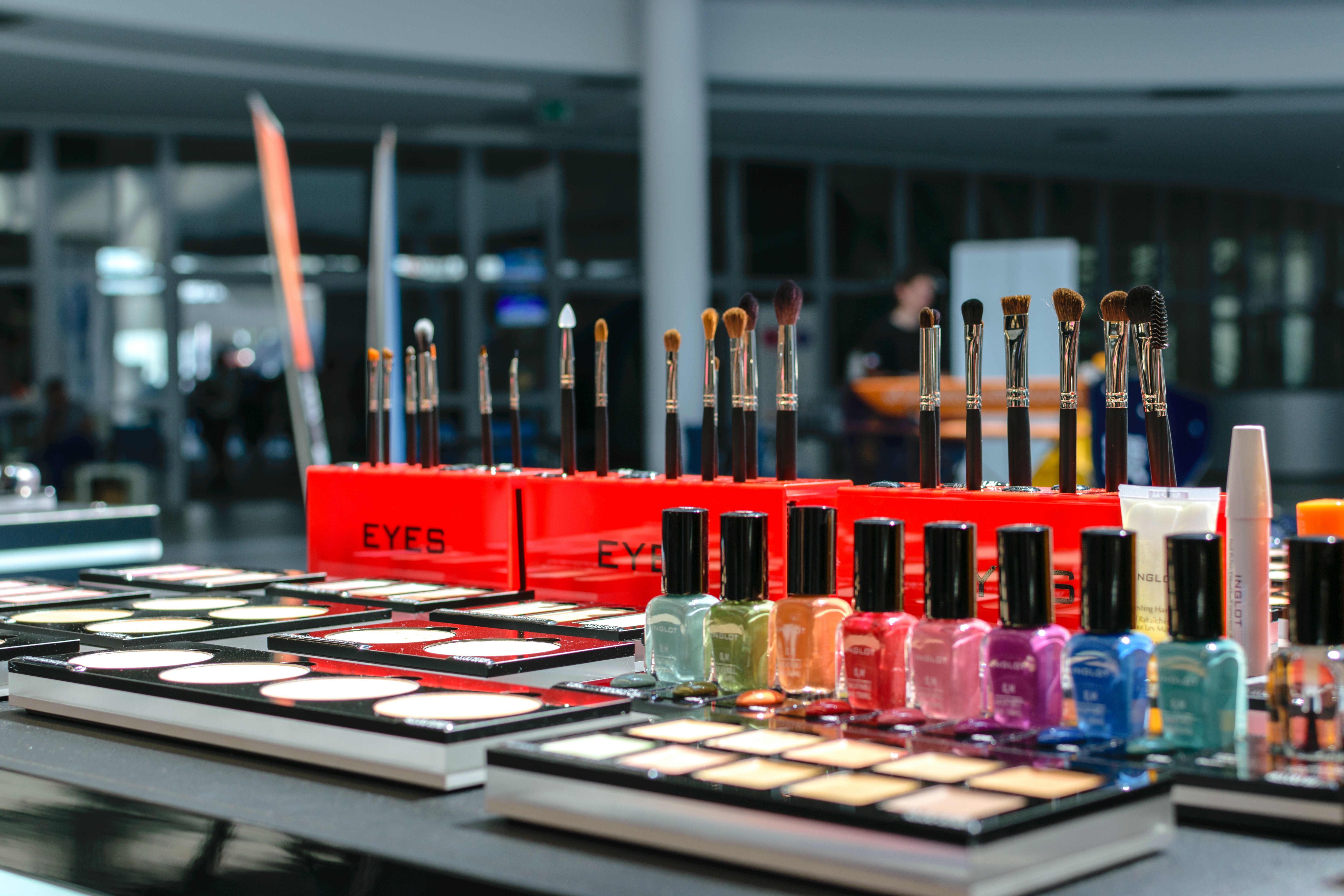
A More Useful Kind of Newness
The trend is best understood as an improvement in the sensory and routine experience of makeup rather than the disappearance of the boundary between makeup and skincare. Hybrid makeup will likely become less of a special category as comfort-focused formulation becomes a baseline expectation. Seen this way, the subject is not a finished verdict but a snapshot of a system in motion. Products will be reformulated, software will be updated, series will continue, stores will age, and cultural labels will change; the useful editorial task is to identify which underlying choices are likely to remain meaningful when that happens.
The best way to read the trend is as an invitation rather than a command. Beauty is most persuasive when it expands the range of choices instead of pretending there is only one correct way to look. The real innovation is not a lipstick pretending to be serum; it is makeup that respects the skin while doing its own job well. The strongest takeaway is therefore not a command to buy, believe, visit, or predict. It is a clearer understanding of why this moment matters now and what evidence will matter next.