Five unpublished women novelists will receive a new kind of introduction to the publishing world through Originators, the Women’s Prize Trust’s U.S. mentorship program presented by Chanel. The initiative combines individual guidance, a grant, and access to people who understand how a manuscript moves toward readers. Its premise begins before the visible success that literary culture usually celebrates. An unpublished writer may already have a voice and a substantial project while lacking the time, advice, or professional relationships needed to develop it. By placing support at that stage, Originators turns attention from the finished book to the conditions of its making. The program’s significance will depend on what those five writers are able to do with the space and guidance they receive.
Five Thousand Words at the Threshold
Applications ask writers for a sample of up to 5,000 words, a synopsis, and information about themselves. Those requirements describe two different forms of literary judgment. The sample lets a panel encounter prose at close range: a sentence’s movement, a scene’s specificity, and the decisions that give a voice its character. The synopsis asks the writer to communicate the shape of a larger project. A novel must sustain both scales, even though the abilities involved in describing a book and writing it are not identical.
An application can therefore make potential visible without pretending that potential is already a finished product. The program is intended for unpublished writers based in the United States. That stage matters. A writer who has not yet secured a book’s public life still needs serious readers and room to revise. Originators positions the submitted work as something to be developed, not merely as an object whose commercial prospects must be settled immediately. The selected writers will take those samples into a process where chapters can be questioned, revised, and placed in a larger manuscript.
A Mentor Reads Beyond the First Impression
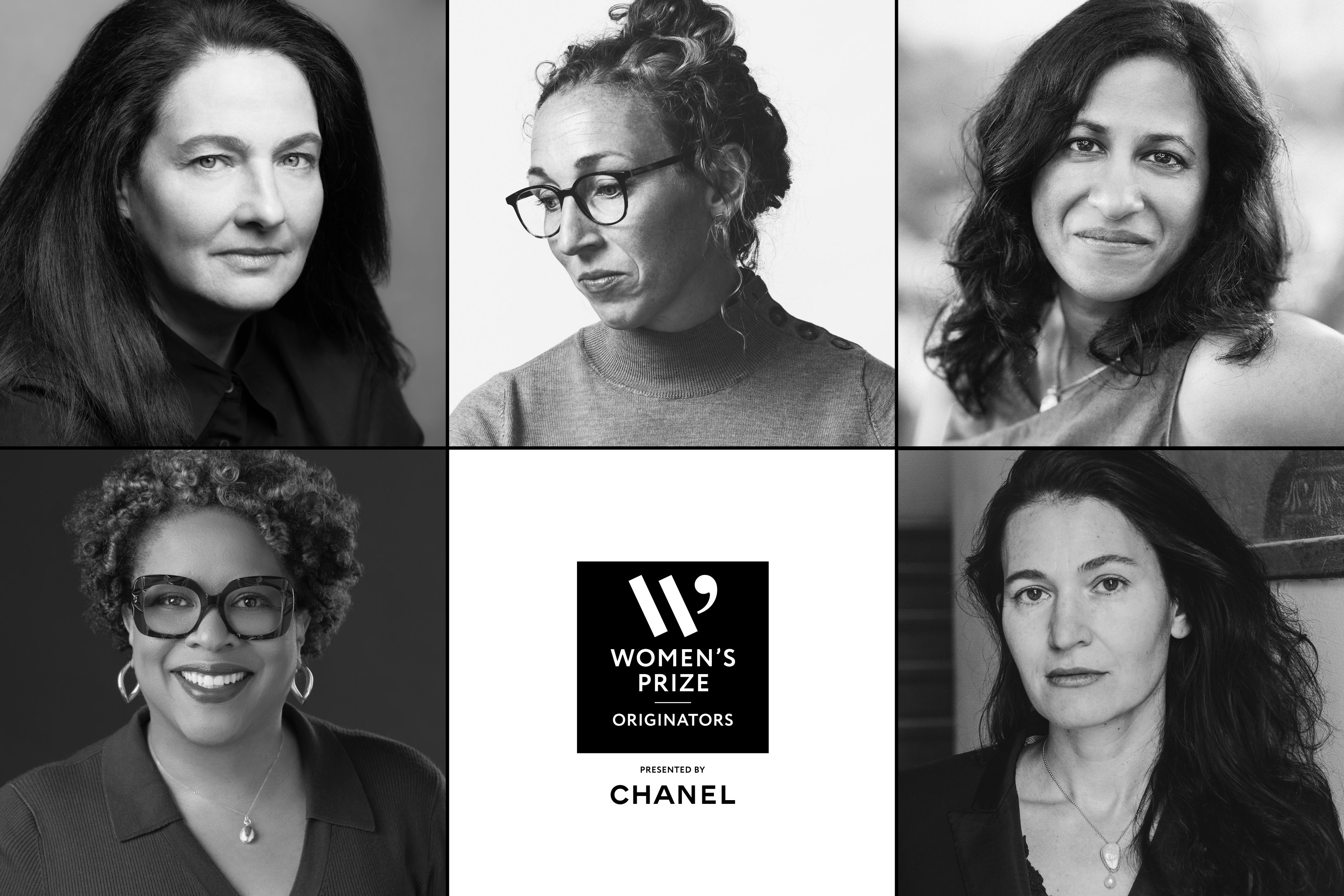
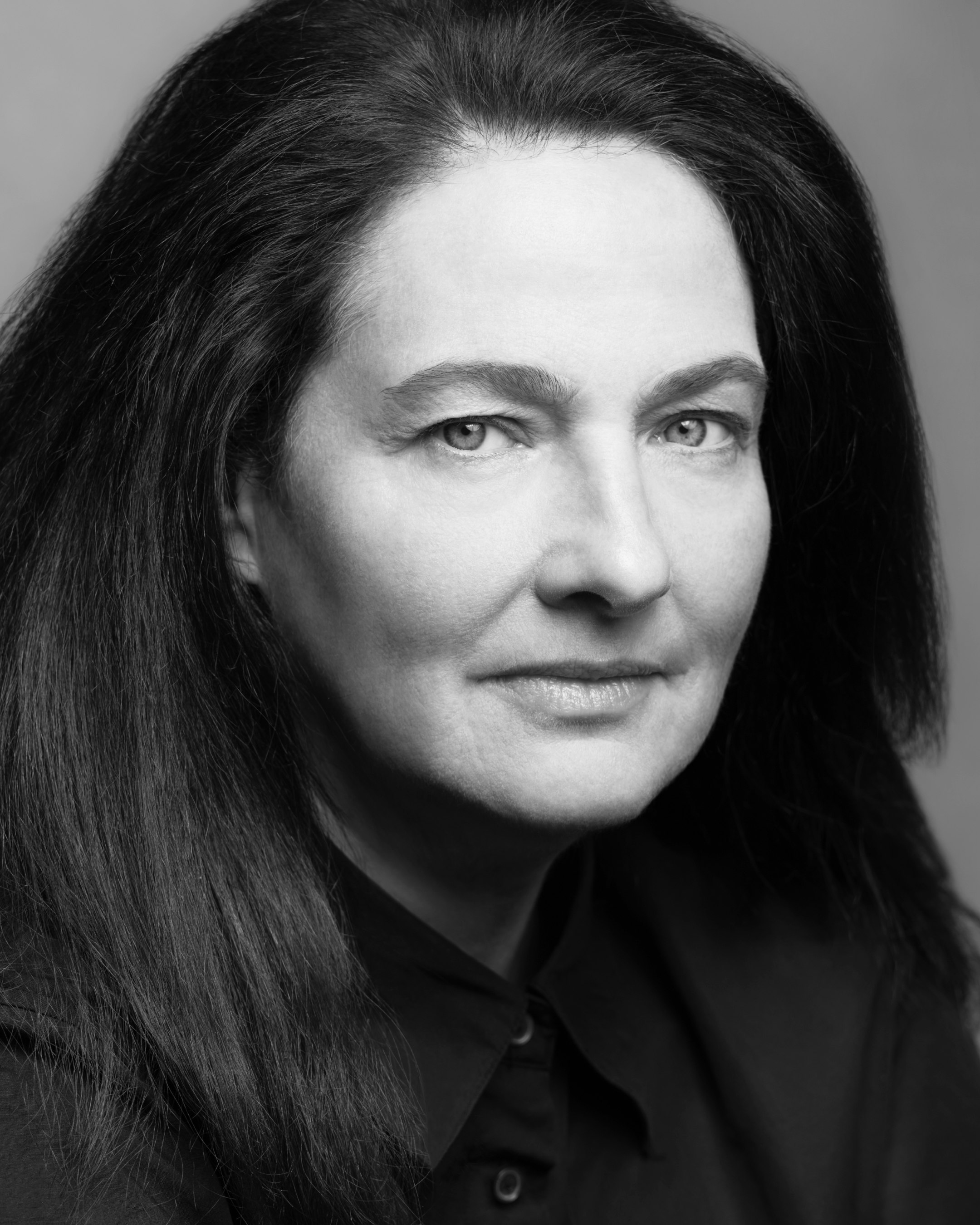
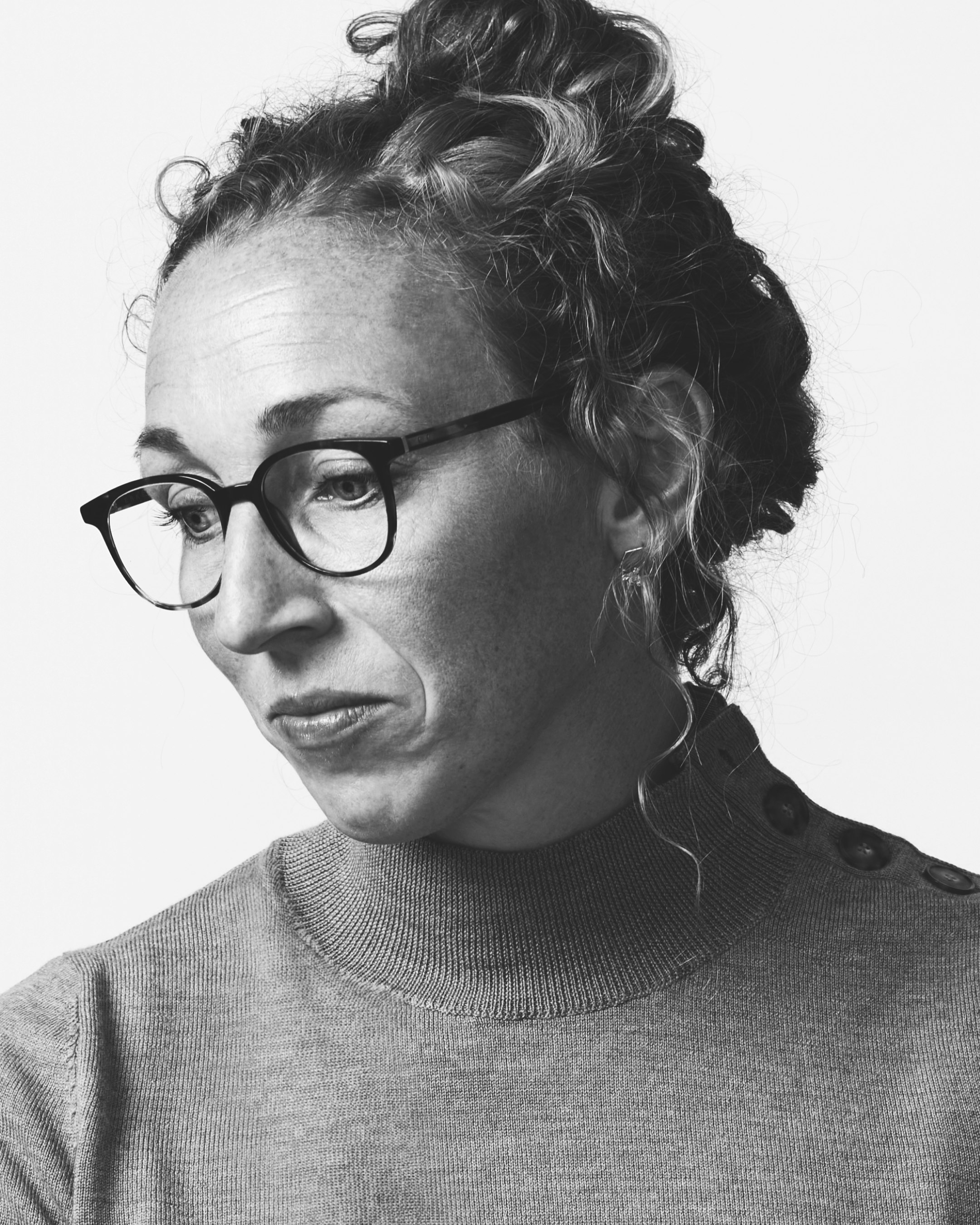
A.M. Homes chairs the inaugural panel, joined by Virginia Evans, V.V. Ganeshananthan, Tayari Jones, and Nicole Krauss. Each selected writer will be paired with an established novelist. Individual pairing gives the initiative a more specific structure than a general inspirational event. The relationship can focus on one project’s problems: an uneven voice, a scene that arrives too early, or a character whose role has not yet become clear. Those questions cannot be answered adequately through encouragement alone.
A mentor also brings experience of staying with uncertainty. Revision often requires changing something a writer has spent considerable time producing. A mentor can ask what a scene loses when its point of view changes, helping the writer recognize the consequences before choosing a revision. The participating novelists have distinct bodies of work, so the pairing need not impose one shared aesthetic. Its promise lies in informed attention that helps an emerging writer become more exact about the book she is trying to make.
Money Is Part of the Manuscript’s Environment
The grant acknowledges a material condition that literary celebration can overlook. Writing uses time, and time exists beside paid work, caregiving, housing, and other obligations. Funding cannot guarantee a strong novel. It can alter the conditions under which a writer returns to a difficult chapter, giving her a different chance to sustain attention. Describing money as support for artistic work is more precise than treating it as a reward handed out after talent has already proved itself to the marketplace.
The program has not promised that every participant will secure a publishing contract. That distinction protects its actual purpose. A grant and mentorship can help develop a manuscript without controlling how publishers respond to it. The initiative’s value should therefore be considered partly through the work enabled during the program: revisions completed, questions clarified, and professional knowledge gained. Publication may become one outcome, but it is not the only evidence that sustained support has mattered to a writer’s practice.
Publishing Knowledge Requires Other People
Guest speakers and industry experts form another part of Originators. A writer can spend years working alone while knowing relatively little about the steps through which a manuscript reaches an agent, editor, or publisher. Those steps involve different responsibilities and kinds of judgment. Understanding them does not remove uncertainty, but it can help a writer distinguish a creative problem from a professional process she has not yet encountered. A rejected submission and an unfinished scene are not the same task.
There is also a difference between access and obligation. Meeting an industry professional should not imply that a writer must reshape her project to imitate what has recently sold. The useful purpose of such contact is to make the process less opaque while leaving room for artistic specificity. Originators’ combination of novelist mentors and publishing expertise can hold those concerns together: a book develops through close creative attention, then encounters a field of people whose decisions affect its public life.
Fashion Patronage Enters a Working Relationship
Chanel’s literary activities include the Literary Rendezvous at Rue Cambon and projects associated with 7L. Originators adds support for unpublished American novelists to that wider cultural engagement. The connection between a fashion house and writing becomes more substantive when it extends beyond the image of a famous author attending an event. Here, the partnership concerns people whose books have not yet reached the shelves. The emphasis falls on development, which is less immediately glamorous and more difficult to capture in a photograph.
Luxury patronage still brings a brand into the setting. The relevant question is how the support serves the writers’ work. A program can carry a sponsor’s name while giving participants the resources to produce literature with its own subjects, difficulties, and ambitions. Individual mentorship offers one practical safeguard against reducing the initiative to a single celebratory image: five projects will require five particular conversations, and their eventual differences can become a measure of the space the program provides.
November Is a Deadline, Spring a Beginning
Applications close on November 30, 2026, at 6:59 p.m. Eastern Standard Time. The planned gathering in New York in spring 2027 will introduce the selected cohort. Those dates mark a process with a clear threshold, but the creative work will not be neatly contained by an announcement. A writer may enter with a chapter that already feels certain and discover that the rest of the book requires it to change. Development means allowing that discovery to take time.
Five writers will eventually return to five manuscripts. That is the program’s most consequential setting: not the panel photograph or the launch, but a desk at which a particular sentence can finally be reconsidered with help. The grant, the mentor, and the professional introduction are valuable insofar as they reach that sentence and the book taking shape around it.