The story around the celebrity front row at Dior Cruise 2027 in Los Angeles becomes more revealing when viewed through how celebrity dressing extended Jonathan Anderson's first Dior Cruise collection beyond the runway. Dior presented its Cruise 2027 collection at the Los Angeles County Museum of Art in May 2026. The show was Jonathan Anderson's first Cruise collection for Dior and arrived during his early period leading the house's creative direction. The most effective appearances did not simply advertise the house; they translated different parts of the collection into distinct public personas before the clothes had even left the museum. Rather than treating the moment as a checklist of products, names, or announcements, the more useful approach is to ask what changes for the people who actually use, watch, enter, or live with it. The broader cultural interest often sits in the
A Franchise in Motion
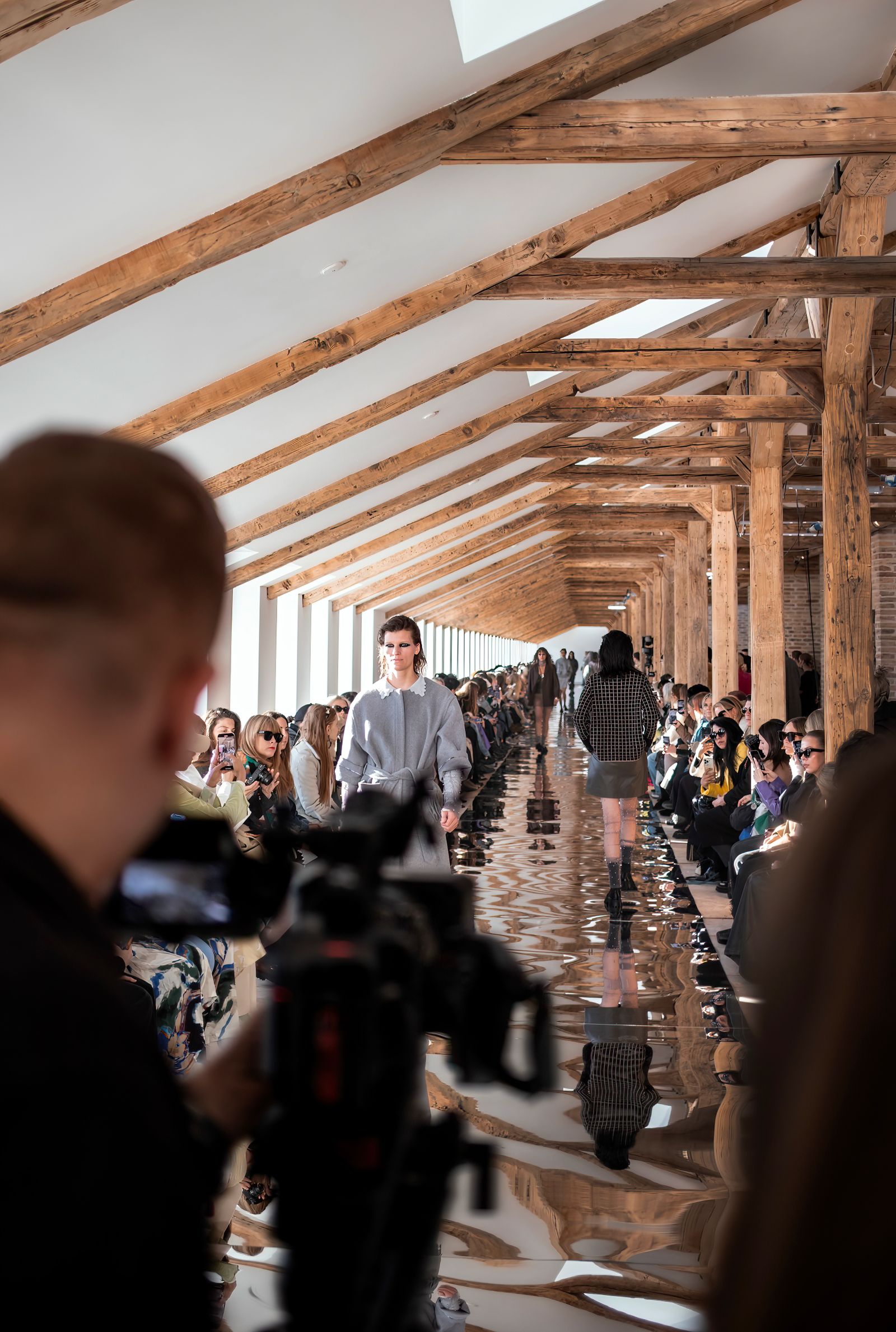
Dior presented its Cruise 2027 collection at the Los Angeles County Museum of Art in May 2026. The show was Jonathan Anderson's first Cruise collection for Dior and arrived during his early period leading the house's creative direction. At LACMA, the arrivals functioned almost like a second runway, with each guest selecting a different door into Anderson's developing Dior vocabulary. The important point is not simply that these details exist, but that together they define the conditions of the story: who is making the decision, what has changed, and why the moment now feels different from an ordinary product release, workplace adjustment, episode recap, or interior refresh.
The broader cultural interest often sits in the tension between continuity and reinvention: how a series preserves its signature, how an actor avoids being trapped by a breakout role, or how a sequel uses nostalgia without becoming a museum of its earlier success. In this case, that context sharpens the front row as an interpretive layer between collection and mass audience. It also keeps the article from mistaking visibility for significance; the most photographed or repeated detail may open the story, but it is the relationship among the details that gives the subject its editorial weight.
The Facts Beneath the Buzz
Sabrina Carpenter attended in a pale yellow sheer floral gown connected to the new collection and carried a flower-shaped bag. Jisoo wore a layered polka-dot look that emphasized the collection's play with pattern and volume. Those facts create a more useful frame than hype alone. They show how the subject works at the level of format, process, casting, policy, material, or service rather than leaving it as an abstract trend. Celebrity styling can isolate a silhouette, accessory, or mood and make it legible outside the total runway sequence.
Contemporary screen culture now unfolds across episodes, premieres, casting announcements, fashion moments, and online speculation at the same time. The result is that audiences often encounter the surrounding narrative before they encounter the work itself. That makes comparison important. The relevant question is not whether every consumer, institution, viewer, or visitor should respond in the same way, but which conditions make the idea work and which conditions expose its limits.
Performance Meets Public Image
Anya Taylor-Joy appeared in a sculptural black two-piece look, creating a sharper contrast with the collection's more romantic gestures. Miley Cyrus chose faded denim, while Role Model wore a leather jacket with dark-wash jeans. This is where the story moves from announcement to experience. The subject is interpreted through repeated choices: what gets emphasized, what becomes optional, what is standardized, and what remains dependent on individual judgment. For fans, the clothing is encountered through personalities they already follow, which changes the emotional context of the design.
Fashion and performance also operate differently even when they share the same stage. A premiere look can sharpen a star's public image, while the work itself depends on character, pacing, direction, and writing. Treating the two as related rather than interchangeable makes the culture around a release more interesting. For the celebrity front row at Dior Cruise 2027 in Los Angeles, the tension is particularly visible in the line between genuine style interpretation and highly managed brand choreography. That tension is productive when it leads to better choices and clearer expectations rather than simply producing another layer of marketing language or speculation.
The Pleasure of Anticipation
Macaulay Culkin carried a Dior bag referencing American Psycho, adding a film-aware joke to a Los Angeles event built around cinematic atmosphere. The guest list brought musicians, actors, and global ambassadors into the same visual narrative as the runway. Those details also define the boundary of what can responsibly be claimed. A front-row look can illuminate a collection's visual language, but it should not be treated as evidence about the wearer's private taste or the commercial performance of the clothes. An editorial reading can still be enthusiastic, skeptical, or aesthetically engaged without turning uncertainty into certainty.
For viewers, the appeal is partly participatory. Recap culture turns an episode into a shared puzzle, while franchise news turns waiting into its own form of fandom. The risk is that constant interpretation can outrun what the text has actually shown. The point is not to remove pleasure from the story. It is to make the pleasure more durable by separating what has been demonstrated from what is merely possible, and by recognizing that users and audiences bring different needs, tastes, and tolerances to the same idea.

What Happens When It Arrives
In luxury fashion, front-row styling has become a second distribution channel for a collection, reaching audiences who may encounter celebrity images before runway photography. As Anderson's Dior develops, ambassador styling will likely become an important way the house tests how its new codes travel across different audiences. Seen this way, the subject is not a finished verdict but a snapshot of a system in motion. Products will be reformulated, software will be updated, series will continue, stores will age, and cultural labels will change; the useful editorial task is to identify which underlying choices are likely to remain meaningful when that happens.
What endures is not the volume of pre-release attention but whether the work gives that attention somewhere to go. Casting, styling, and publicity can open the door; character and craft still decide whether audiences stay. The event showed that the front row is no longer merely watching fashion; it is one of the places where fashion is being edited in public. The strongest takeaway is therefore not a command to buy, believe, visit, or predict. It is a clearer understanding of why this moment matters now and what evidence will matter next.