At first glance, Nada Debs's transformation of the Okhun Gozar mosque in Tashkent looks like a story about newness; in practice, it says more about how adaptive reuse can protect an old religious structure by giving craft, education, and community gathering a contemporary home. Designer Nada Debs transformed the historic Okhun Gozar mosque in Tashkent, Uzbekistan, into a craft-focused cultural space. The structure has eighteenth-century origins and had been abandoned before the intervention. The project treats preservation as an active cultural program: the building remains legible, but its future is tied to artisans and visitors using it rather than admiring an empty shell. Rather than treating the moment as a checklist of products, names, or announcements, the more useful approach is to ask what changes for the people who actually use, watch, enter, or live with it. Hospitality and retail design increasingly
From Concept to Occupation
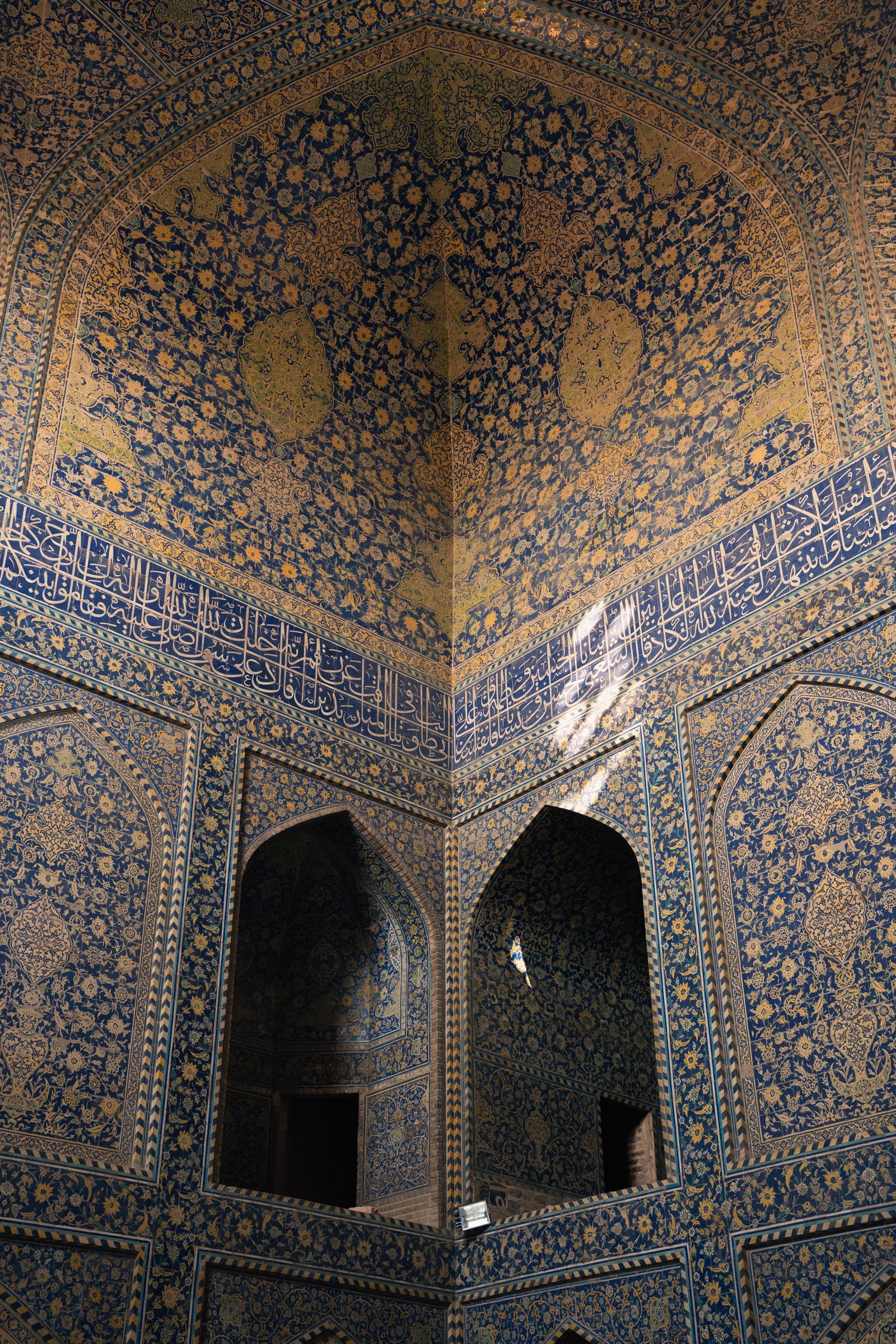
Designer Nada Debs transformed the historic Okhun Gozar mosque in Tashkent, Uzbekistan, into a craft-focused cultural space. The structure has eighteenth-century origins and had been abandoned before the intervention. A preserved room can become inert if nobody has a reason to return; the craft program gives the old structure a rhythm of making and gathering. The important point is not simply that these details exist, but that together they define the conditions of the story: who is making the decision, what has changed, and why the moment now feels different from an ordinary product release, workplace adjustment, episode recap, or interior refresh.
Hospitality and retail design increasingly blur the line between showroom and social space. A store can host events, a restaurant can become a neighborhood living room, and a listening bar can treat sound as architecture rather than background entertainment. In this case, that context sharpens preservation as a relationship between inherited architecture and living practice. It also keeps the article from mistaking visibility for significance; the most photographed or repeated detail may open the story, but it is the relationship among the details that gives the subject its editorial weight.
Craft, Light, and Movement
The project was commissioned through the Uzbekistan Art and Culture Development Foundation. The new program operates as a Gozar of Artisans, combining display, gathering, education, and contemporary craft activity. Those facts create a more useful frame than hype alone. They show how the subject works at the level of format, process, casting, policy, material, or service rather than leaving it as an abstract trend. New interventions can be legible enough to belong to the present without competing with the proportions and surfaces that carry the building's history.
The most persuasive interiors are rarely collections of objects alone. They organize movement, attention, acoustics, light, and memory, allowing a commercial or domestic space to communicate before a visitor reads a sign or studies a material specification. That makes comparison important. The relevant question is not whether every consumer, institution, viewer, or visitor should respond in the same way, but which conditions make the idea work and which conditions expose its limits.
Commercial Space as Social Space
Debs preserved the existing building's character while introducing new elements made in dialogue with Uzbek artisans. The project connects indigenous craft traditions with contemporary design rather than presenting craft only as historical artifact. This is where the story moves from announcement to experience. The subject is interpreted through repeated choices: what gets emphasized, what becomes optional, what is standardized, and what remains dependent on individual judgment. Working with local artisans also shifts authorship away from the idea of a single imported designer imposing a finished aesthetic.
Preservation is therefore not synonymous with keeping everything untouched. In many projects, continuity comes from proportion, craft, structure, or ritual while new elements make the building usable again. The design judgment lies in deciding what deserves emphasis and what can change. For Nada Debs's transformation of the Okhun Gozar mosque in Tashkent, the tension is particularly visible in the need to activate a heritage building without turning its cultural history into decorative atmosphere. That tension is productive when it leads to better choices and clearer expectations rather than simply producing another layer of marketing language or speculation.
The Discipline of Restraint
Reusing a former mosque requires particular sensitivity because architectural form, neighborhood memory, and religious history remain present even when the function changes. Craft salons can support makers not only through exhibition but through demonstrations, workshops, commissions, and contact with new audiences. Those details also define the boundary of what can responsibly be claimed. Adaptive reuse of a former sacred site should be understood through local stewardship and cultural context, not only through visual novelty. An editorial reading can still be enthusiastic, skeptical, or aesthetically engaged without turning uncertainty into certainty.
The central tension is between atmosphere and legibility. A space can be theatrical without becoming confusing, and it can preserve traces of history without freezing them into décor. The best interventions make the relationship between old and new easy to feel even when it is not explicitly explained. The point is not to remove pleasure from the story. It is to make the pleasure more durable by separating what has been demonstrated from what is merely possible, and by recognizing that users and audiences bring different needs, tastes, and tolerances to the same idea.

When the Idea Survives Use
The cultural value of the project lies in linking building preservation to a living economy of skill rather than separating architecture from the people who make things. The strongest future for the space will come from repeated programming that keeps craft knowledge visible, teachable, and economically connected to contemporary audiences. Seen this way, the subject is not a finished verdict but a snapshot of a system in motion. Products will be reformulated, software will be updated, series will continue, stores will age, and cultural labels will change; the useful editorial task is to identify which underlying choices are likely to remain meaningful when that happens.
That is why the project matters beyond its visual signature. It shows how design can turn constraints into character, using what is already present as a framework rather than treating the past as an obstacle. The renovation works because its new life is not a neutral tenant; it is a program built around the very idea of cultural continuity. The strongest takeaway is therefore not a command to buy, believe, visit, or predict. It is a clearer understanding of why this moment matters now and what evidence will matter next.