Iona has been a place of retreat for more than a millennium, but its modern power comes partly from the effort required to reach it. The small Inner Hebridean island off Scotland’s west coast was an important early Christian center associated with Saint Columba, who arrived from Ireland in the sixth century. Today travelers come for Iona Abbey, windswept shorelines and a quality increasingly scarce in connected life: unstructured quiet. Reaching the island usually involves a long combination of road, rail and ferry travel, a practical inconvenience that functions almost like the first stage of a pilgrimage. By the time visitors step ashore, distance has already begun to change the pace of attention.
A Holy Island at the Edge of the Atlantic
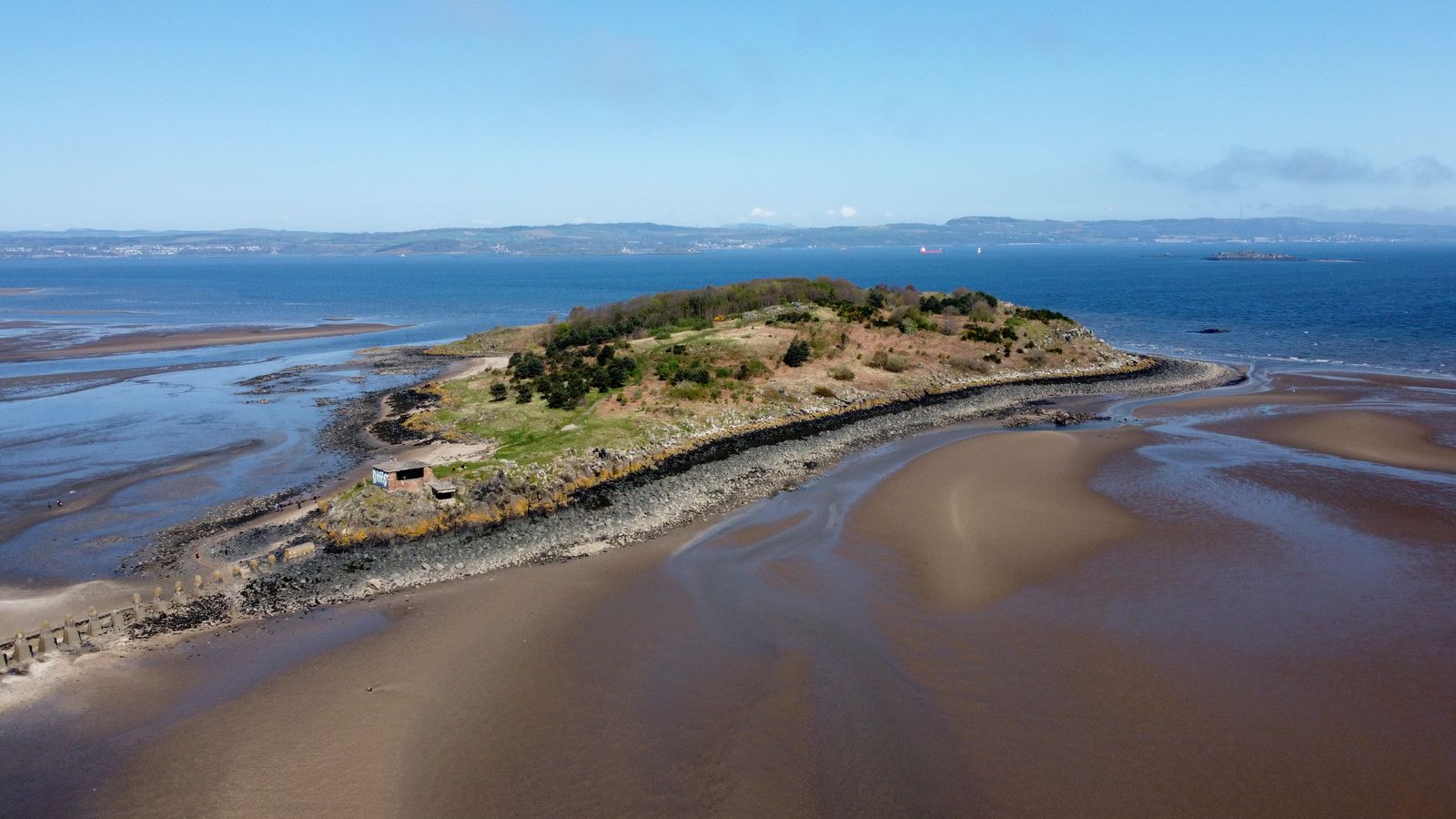
Iona’s spiritual significance began with Saint Columba and the monastic community established there in the early medieval period. The island became one of the most important Christian centers in Britain and Ireland, linked to scholarship, missionary work and a Celtic religious tradition deeply attentive to landscape. Its exposed position in the Atlantic shaped that spirituality. Early monks sought remote places partly because distance stripped away ordinary distractions and made prayer feel physically connected to wind, sea and weather. The island remains low, rocky and largely treeless, so the environment still feels elemental. Visitors do not need to share the beliefs of medieval pilgrims to understand why a place like this could become sacred. The geography encourages contemplation before any historical explanation does.
Travel Slows Before You Arrive
Modern transportation has made Iona safer and more accessible than it was in Columba’s time, yet the journey remains layered. Most travelers reach the island through western Scotland and the Isle of Mull, combining trains or driving with ferries and buses. Weather can affect schedules, and the final crossing creates a clear threshold between mainland movement and island stillness. In an era of direct flights and instant booking, that complexity can feel inefficient. It is also part of the appeal. A pilgrimage traditionally gains meaning through effort, repetition and uncertainty. Even secular visitors experience a version of that process when they spend hours moving toward a small destination that cannot be reached in one step. By arrival, the trip has already demanded patience.
The Abbey Gives History a Physical Center
Iona Abbey anchors the island’s religious story. Rebuilt and restored across centuries, it represents layers of medieval Christianity rather than a single untouched moment. The surrounding graveyard and monastic sites reinforce the sense that generations came here to pray, live and be buried. Yet the abbey is most powerful when placed within the landscape rather than treated as an isolated monument. Stone walls, sea light and open ground connect architecture to the conditions that shaped the original community. Travelers who rush through the building and immediately leave miss that relationship. Time spent walking between the abbey, shore and smaller sacred sites allows the history to become spatial. Iona’s heritage is not contained inside one structure; it is distributed across the island.
Stillness Is the Contemporary Luxury
Modern wellness travel often sells silence through carefully designed retreats, digital detox programs and expensive remote lodges. Iona offers a simpler version. Its limited scale, car restrictions for most visitors and natural exposure reduce the number of choices available in a day. Walking becomes the main form of movement, weather changes plans, and evenings can feel genuinely quiet. That simplicity can be unsettling for travelers accustomed to constant stimulation, but it is also why people return. Reflection does not have to be explicitly religious. The island can function as a place to read, grieve, think or simply become attentive to physical surroundings. Its spiritual reputation survives partly because contemporary life has made the conditions it offers—time, quiet and distance—more valuable.

Pilgrimage Without Certainty
Iona’s appeal does not depend on visitors arriving with a fixed spiritual question. The island accommodates belief, curiosity and skepticism because its history is specific while its experience remains open. A Christian pilgrim may attend worship at the abbey; a history traveler may focus on Columba and medieval networks; a walker may simply follow the coastline. What unites those journeys is the willingness to let the place set the pace. That is the core of modern pilgrimage: not necessarily traveling toward a miracle or doctrine, but accepting that movement and attention can create a different state of mind. Iona has been doing that work for centuries. Its relevance now may lie precisely in how little it needs to add.
Stay Long Enough for the Island to Work
A rushed day trip can show visitors the abbey and a section of shoreline, but Iona’s strongest quality emerges after schedules thin out. Staying overnight allows the island to change character when ferry crowds leave and evening light settles across the water. Accommodation is limited, so advance booking is important, particularly in summer. Weather can interrupt transport, making flexible connections wise on both sides of the visit. Travelers should also bring layers and waterproof clothing even in warmer months; Atlantic conditions change quickly. These practical inconveniences are not separate from the experience. They reinforce the island’s sense of distance and dependence on natural conditions. Iona does not need a long list of activities to justify several days. Its value lies in giving ordinary acts—walking, eating, reading, watching the sea—enough space to feel deliberate again. That extra night also gives visitors a chance to experience early morning or late evening light, when the small island feels least like a destination and most like a place.