The two nights of events marking the 31st Asian Television Awards (ATA 2026) in Ho Chi Minh City drew attention with the presence of numerous Vietnamese and international artists. From evening gowns and tailored suits to traditional áo dài, the 14 November red carpet showcased a diverse range of fashion choices, reflecting the artists’ individual styles and cultural identities.
High diversity for a red carpet night
Held at Hoa Binh Theatre in Ho Chi Minh City on 13 and 14 November 2026, ATA 2026 brought together artists, actors, singers and representatives of the television industry from across Asia. Alongside the awards presentations and performances, the red carpet provided a platform for guests to showcase their personal fashion styles.
The two nights featured distinct programmes. On 13 November, the Gala Show focused on categories covering news, documentaries, sports, animation and entertainment. The Live Show followed on 14 November, featuring categories for drama, acting, livestreaming and music. The red carpet that evening welcomed more than 400 artists, producers and representatives of the television industry.
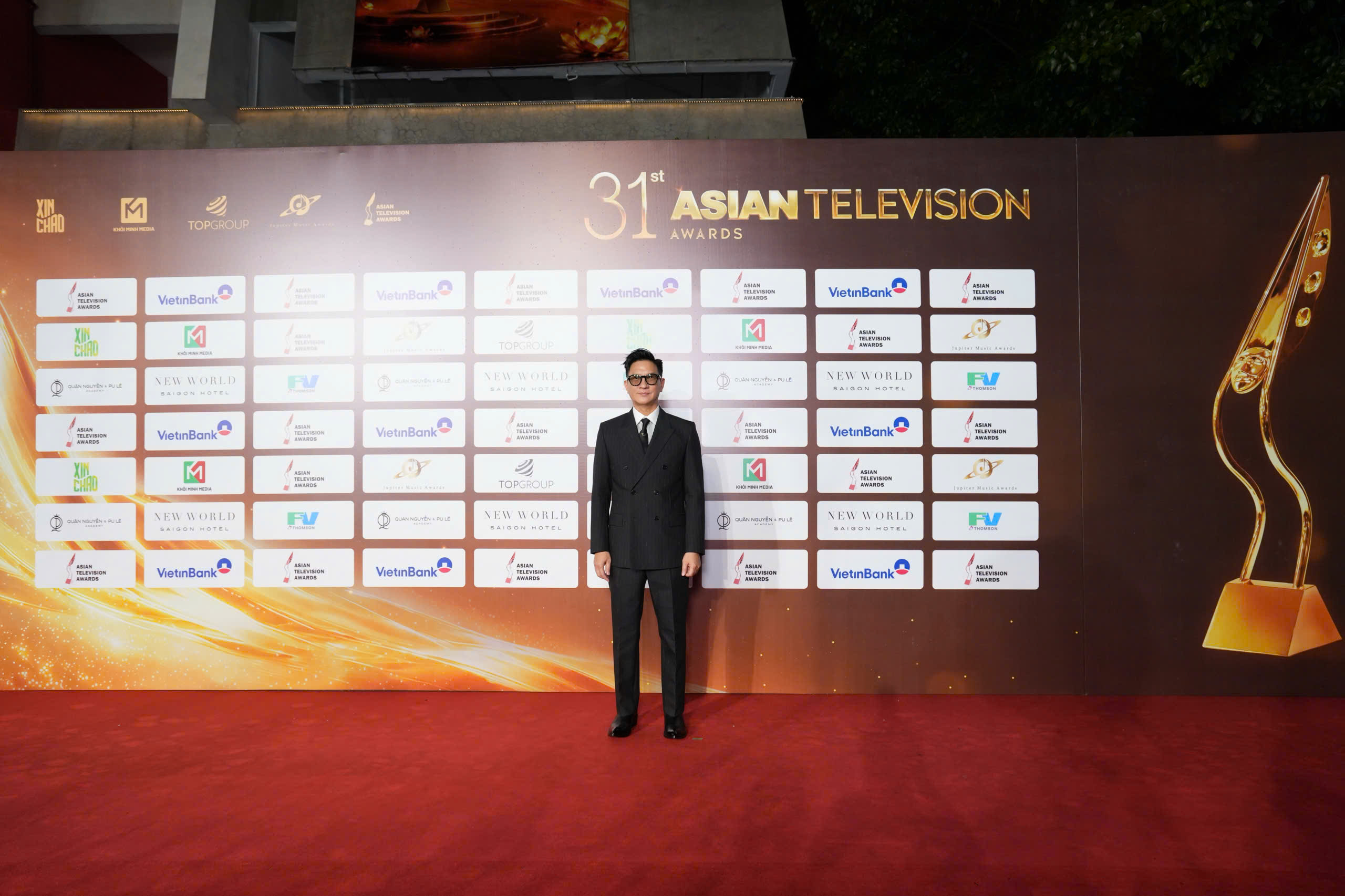
The diversity of guests’ nationalities and professional backgrounds was also reflected in their fashion choices. Evening gowns, contemporary suits and traditional attire all featured, bringing a variety of styles and influences to the same red carpet.
Clear Vietnamese distinctions on the runway
Among the Vietnamese artists in attendance, Chi Pu was one of the most eye-catching figures. The singer appeared in an elaborate yellow gown, distinguished by its detailed bodice and distinctive cut. Her choice made a striking impression among the event’s guests.
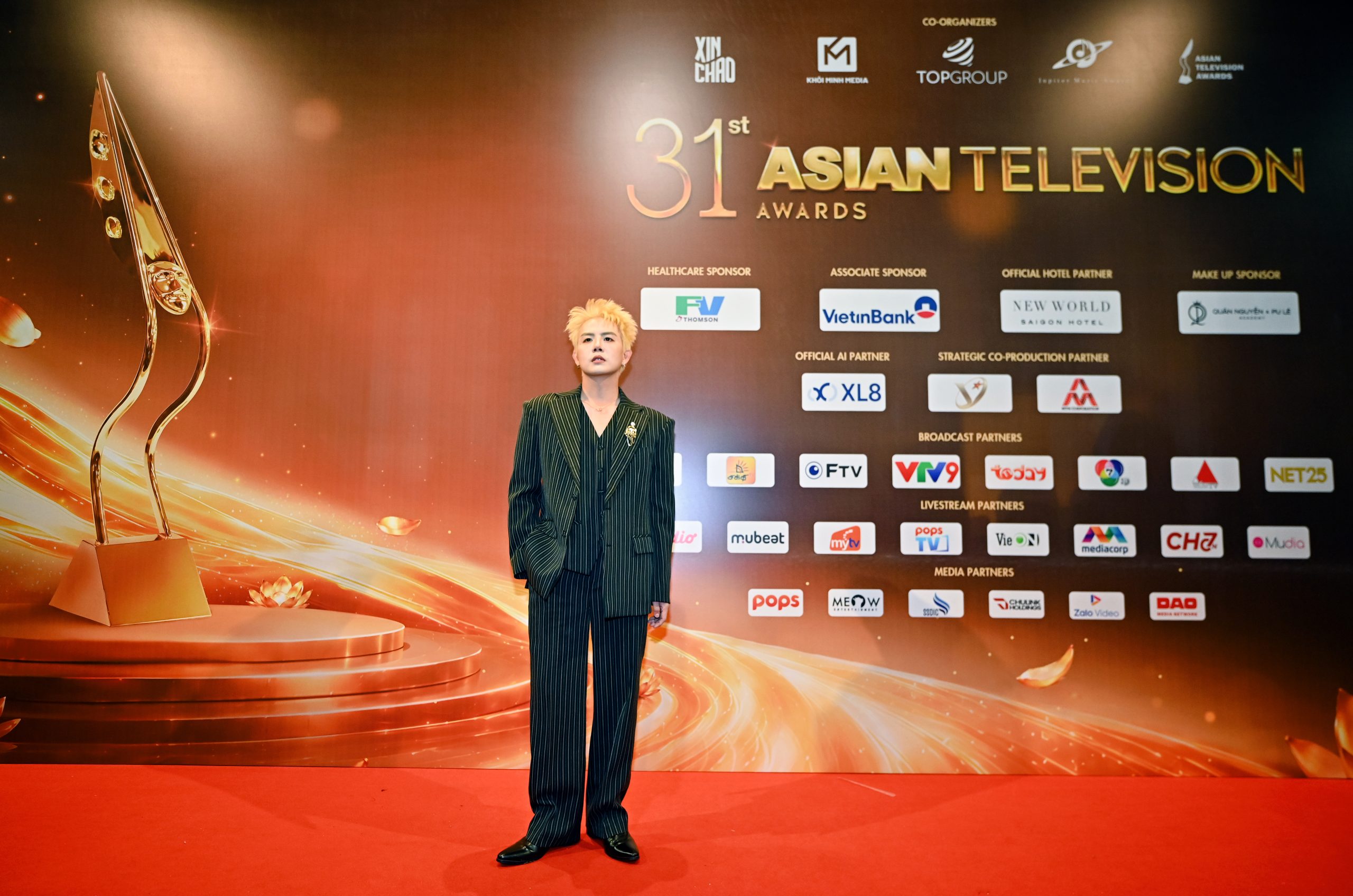
Actress Lê Hạ Anh wore a white gown with a voluminous silhouette, accompanied by Steven Nguyễn in a black suit. The contrast between the two colours created a distinctly coordinated look while maintaining the formal elegance suited to the occasion.
In a different approach, Meritorious Artist Trịnh Kim Chi opted for a traditional áo dài featuring hand-embroidered motifs. Her outfit brought an element of Vietnamese cultural identity to the international event, setting it apart from the evening gowns commonly seen on red carpets.
Director and producer Mai Thu Huyền also opted for a coordinated approach to styling her outfit and accessories. Meanwhile, Miss Bùi Xuân Hạnh, Miss Thu Hương, actor Duy Khánh and a number of emerging artists attended in a variety of styles.
Impressive international couture personalities
The ATA 2026 red carpet also welcomed numerous artists from Hong Kong, Japan, South Korea, China, Indonesia and other Southeast Asian countries. Each brought a distinct image, reflecting the diversity of fashion styles across the region’s entertainment industry.
Hong Kong actor Nick Ka-Fai Cheung opted for a minimalist black suit. Its well-tailored silhouette, paired with his sophisticated demeanour, suited the actor’s image at the event.
Japanese actress Tao Tsuchiya was also among the international guests. Joining her on the red carpet were Indonesian singer Lesti Kejora, Thai actress Kessarin Noiphueng, Chinese actor Lv Sitong, and music groups BE BOYS (South Korea) and IS:SUE (Japan).
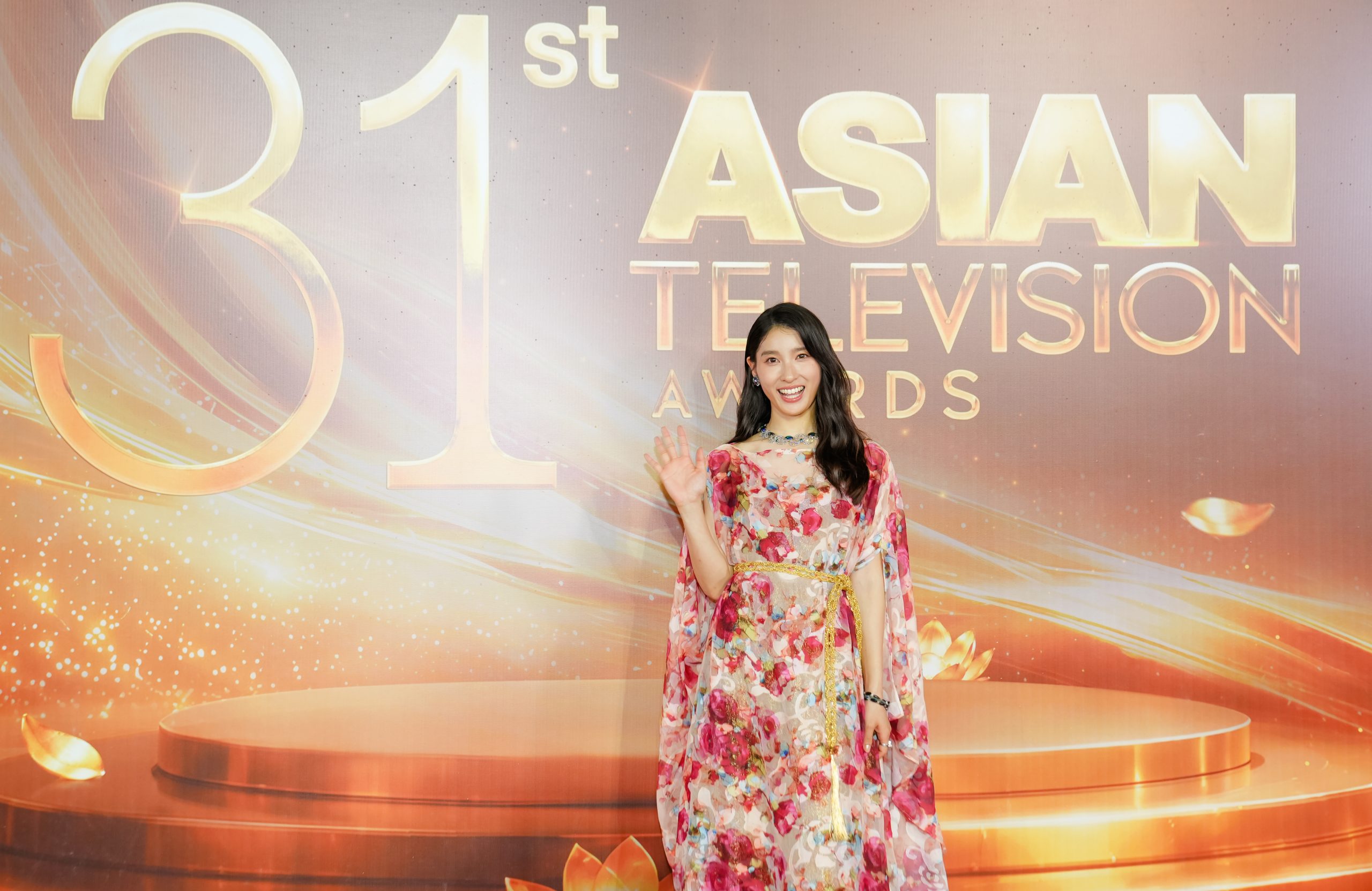
The presence of artists from different entertainment markets brought further diversity to the event’s visual landscape and fashion styles. From versatile outfits to designs created specifically for the occasion, each choice helped express the artists’ individuality and public image.
A clear showcase of cultural exchange
One notable aspect of ATA 2026 was the coexistence of contemporary fashion and traditional elements. While suits and evening gowns represented familiar choices for international entertainment events, the áo dài worn by Meritorious Artist Trịnh Kim Chi brought a distinctive touch of Vietnamese cultural heritage to the red carpet.
The differences in fashion choices also reflected each artist’s individual style. Some favoured designs that stood out through bold colours, others opted for minimalist silhouettes, while several chose traditional attire to express their cultural identity.
At international entertainment events featuring guests from multiple countries, red-carpet fashion also serves as a means of expressing personal image and cultural identity. The outfits showcased at ATA 2026 therefore helped establish the event’s distinctive visual identity while highlighting the intersection of fashion trends across Asia.