Two competing reality programs transformed Vietnam’s 2024 entertainment season into a test of how quickly television can build stars, mobilize fandoms and expand the live-music economy. Anh Trai Say Hi introduced younger performers to mass audiences, while Anh Trai Vuot Ngan Chong Gai renewed attention around established artists and cultural performance. Their impact moved far beyond weekly episodes: fees rose, fan meetings vanished in seconds, stadium concerts became destinations and organized supporters financed elaborate campaigns. The phenomenon shows an industry learning to convert screen narratives into durable artist ecosystems. It also leaves producers with a harder question—whether the excitement can become sustainable infrastructure rather than a single season of exceptional demand.
Sixty-Three Careers in Motion
The simultaneous success of Anh Trai Say Hi and Anh Trai Vuot Ngan Chong Gai gave Vietnamese entertainment an unusually concentrated burst of visibility. Across both casts, 63 male artists entered a weekly narrative that asked audiences to follow rehearsals, rivalry, collaboration and reinvention. The programs did not simply rank performances. They created enough screen time for viewers to form attachments to personalities, friendships and individual growth.
For emerging names, that exposure compressed years of career-building into a season. HIEUTHUHAI, Rhyder, Dương Domic, Hurrykng, Captain and Wean Le became reference points in the discussion of breakout fame. VietNamNet reported major fee increases, with Dương Domic’s rate estimated to have risen 30 to 60 times and Wean Le’s by roughly 50 percent. The older-artist program produced a different kind of lift: Soobin consolidated an A-list position, while Cường Seven, Kay Trần, Jun Phạm and others regained momentum.
From Viewers to Organized Supporters
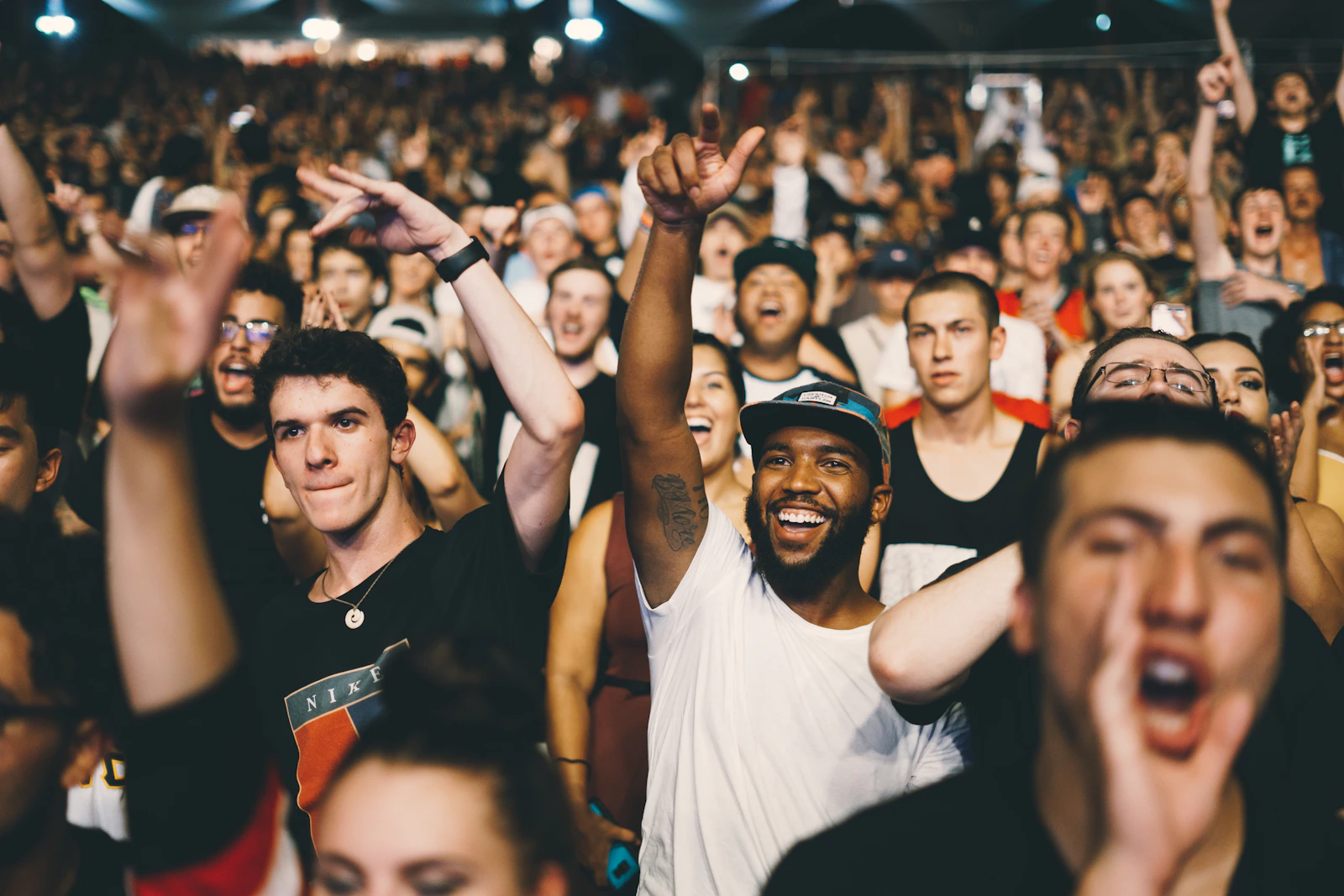
The most consequential change happened off screen. Fan communities behaved less like loose groups of admirers and more like coordinated cultural organizations. They planned visual projects, bought advertising, prepared food support and turned concert grounds into temporary neighborhoods of banners, photo booths and shared gifts. A fan’s role expanded from consuming content to actively producing the atmosphere around an artist.
Demand appeared in extraordinary sales speeds. Quang Hùng MasterD’s 1,000 fan-meeting tickets reportedly sold in under five minutes; Neko Lê’s event filled in one minute; Soobin’s 1,000 places disappeared in 35 seconds, even with premium seats reaching 6.5 million VND. These numbers matter because they demonstrate willingness to pay for proximity and community, not only for a song. The idol economy depends on repeat encounters, and fan meetings turn emotional loyalty into a distinct live product.
Stadium Scale Changes the Calculation
Concerts pushed the phenomenon into a different financial category. Tickets for the Anh Trai Vuot Ngan Chong Gai series in Hanoi sold out within about 40 minutes, while the third Anh Trai Say Hi concert at Mỹ Đình National Stadium reached capacity in roughly 45 minutes. Fans queued through cold weather and traveled between cities, giving domestic artists a form of event tourism previously associated more readily with international acts.
Large shows require far more than popular performers. They demand staging specialists, sound and lighting crews, security systems, ticketing platforms, brand partners, transport planning and reliable venues. Each successful stadium night therefore acts as a demonstration of industrial capacity. It tells sponsors that Vietnamese music can command concentrated attention, and it tells producers where the operational weaknesses become visible when tens of thousands of people arrive at once.

Two Aesthetics, One Higher Bar
The programs did not win audiences by offering identical fantasies. Anh Trai Say Hi leaned toward a contemporary, K-pop-influenced language of choreography, youth styling and digitally shareable performance. Anh Trai Vuot Ngan Chong Gai worked with grandeur, experience and material drawn from Vietnamese culture. Their contrast enlarged the market because viewers could debate artistic direction while remaining engaged with the broader event.
Competition also raised expectations for every program around them. Once viewers have seen ambitious stages, polished edits and coherent artist storytelling, a routine talent show can feel underpowered. That pressure reaches rival formats such as Chi Đẹp Đạp Gió and any new production hoping to inherit the audience. The cost of entry rises, but so does the possibility of creating work that travels across regional social media and attracts international notice.
The Next Test Is Durability
A breakout season can inflate demand faster than management structures mature. Artists need repertoire, sensible schedules and long-term positioning after the program’s narrative ends. Fan communities require respectful communication rather than constant monetization. Concert operators must improve crowd safety and service, while brands should distinguish between genuine affinity and short-lived visibility.
The larger lesson is that Vietnam does not lack an audience willing to support domestic stars. It has often lacked a continuous system connecting television discovery, music releases, live performance, merchandise and community activity. The two “Anh Trai” programs briefly connected those pieces and made the result visible at national scale. Their true legacy will depend on whether producers treat 2024 as an unrepeatable peak or as evidence for building a more professional, diverse and resilient entertainment economy.
The commercial lesson is equally important. Viral attention becomes valuable only when artists can carry it into songs, touring and partnerships that still make sense after the program ends. Managers who overbook a sudden favorite may convert excitement into fatigue; those who wait too long may lose the opening. The strongest post-show plan will treat popularity as working capital, investing it in repertoire and performance development rather than extracting every possible appearance fee.