Rory McIlroy's exchange with a spectator late in the 2026 PGA Championship came at a moment when his chances of catching Aaron Rai had become fragile. At Aronimink's par-five 16th, a difficult sequence from the rough ended in a bunker. A shouted remark from the gallery drew a visibly angry response, turning a few seconds of interaction into a widely circulated clip. It was not the defining sporting outcome of the tournament, but it exposed the often uncomfortable boundary between a spectator's right to make noise and a player's expectation of a workable competitive environment.
What Happened on the Sixteenth
McIlroy drove into the right rough and then advanced the ball toward the green. An attempted delicate third shot came up short and went into a bunker. After a spectator yelled, the golfer turned and appeared to identify the individual to security. He nevertheless saved par. Those details matter because the exchange occurred during an active shot sequence, not as a free-standing confrontation.
A Frustrating Close to a Major
The Northern Irishman finished his final round in 69 strokes and tied for seventh at four under par. The winner was nine under. McIlroy had been seeking another chance to complete a major challenge, and mistakes reduced his remaining options. A short video of anger cannot by itself explain his entire week, and it should not eclipse the competitive facts.
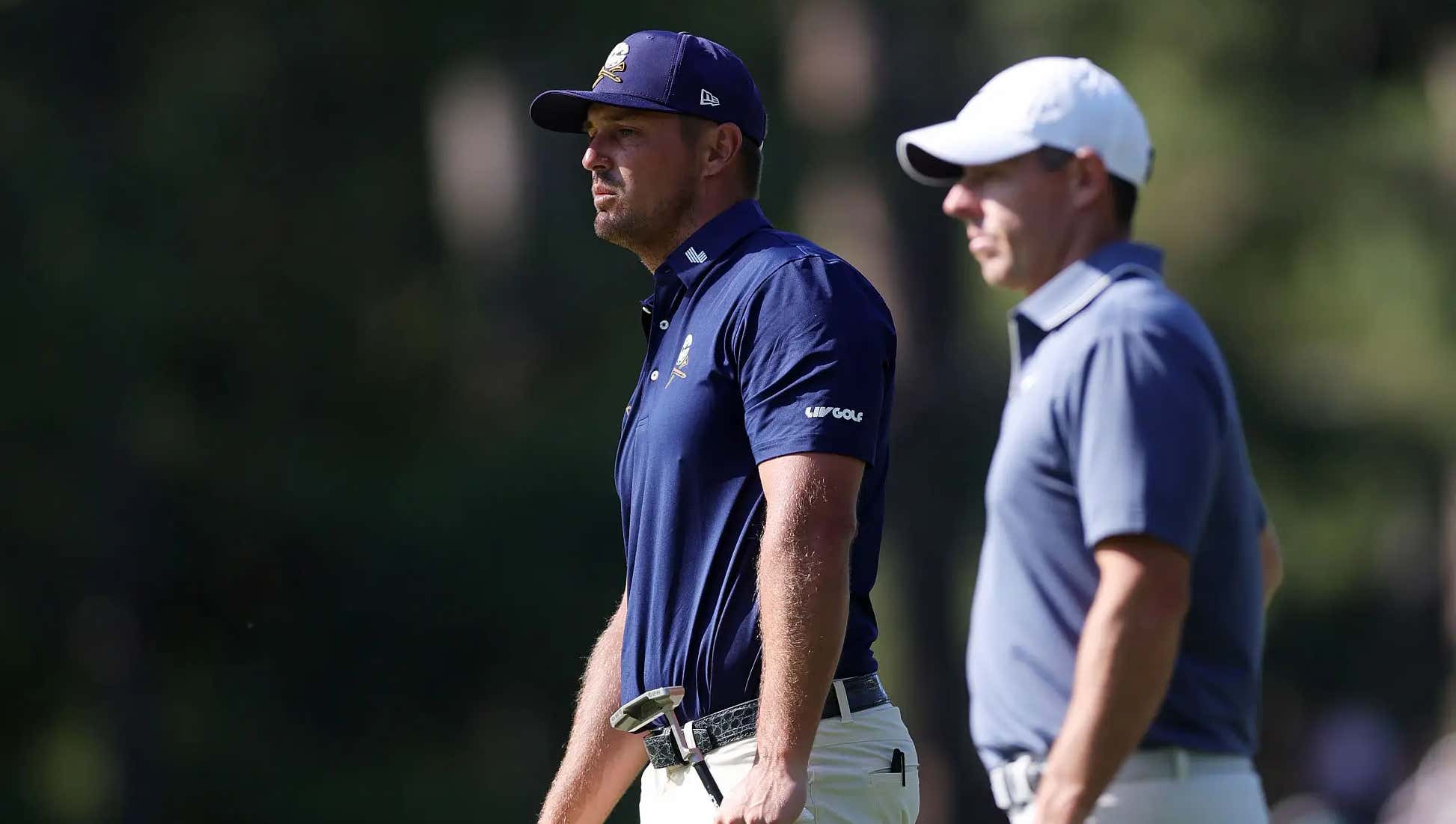
The Gallery Has Responsibilities Too
Golf spectators are close enough to see individual decisions and hear player reactions in a way many stadium audiences cannot. That access creates a special atmosphere but also a demanding code of behavior during play. The issue is not whether fans may feel passionate; it is the timing and form of the participation when a player is attempting a shot.
Neither Hero Nor Villain in a Clip
The incident attracted attention because McIlroy is famous and the reaction was immediate. Context makes the scene more intelligible without requiring every response to be excused. It also allows a distinction between criticism of an exchange and broad conclusions about character. The record of the championship is ultimately its shots and scores, with this smaller argument one revealing moment in the gallery's relationship with the game.