Singapore beat Hong Kong to reach the women’s team table-tennis quarterfinals at the Asian Games. The story is compelling because the concrete details sit inside a larger shift involving competition, institutional pressure, and public scrutiny. The point is not to inflate one result, appointment, launch, project, claim, or destination into a grand statement. It is to notice the decisions surrounding it and the expectations those decisions have to meet. That means looking beyond the obvious hook toward process: who is shaping the work, how it reaches the public, what kinds of value are being emphasized, and where tensions remain unresolved. Those questions give the moment proportion and texture, turning a timely development into a clearer view of the culture and systems around it.
Singapore Clears Hong Kong to Reach the Quarterfinals
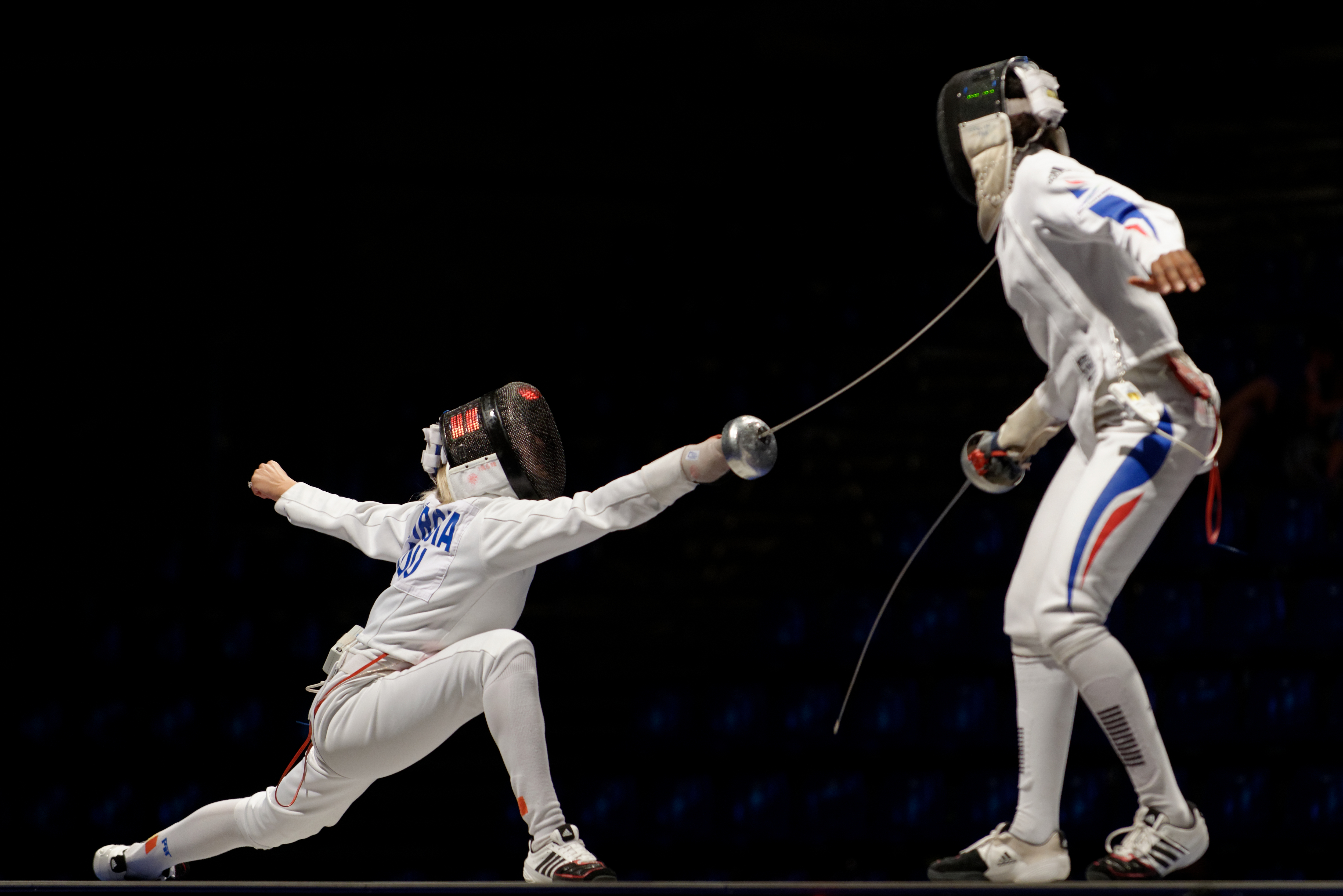
The cleanest way into Singapore’s Women Advance in Asian Games Team Table Tennis is through the fact itself. Singapore beat Hong Kong to reach the women’s team table-tennis quarterfinals at the Asian Games. From there, the story expands into questions of competition and preparation. That movement—from a concrete event to the structure around it—is where the editorial value lies. It keeps the article anchored while allowing room for interpretation. Instead of treating attention as proof of lasting importance, it asks why this particular development is resonating now and which habits of the wider field it brings into unusually sharp view.
There is a difference between the object of attention and the machinery that produced it. The object may be a match, medal, injury, rivalry, governance decision, or fan event; the machinery includes training, selection, tactics, recovery, governance, media attention, and fan culture. Magazine storytelling is strongest when it keeps both in frame. The surface offers immediacy, while process explains why the surface took this form rather than another. That relationship is especially revealing in moments of transition, when old assumptions remain visible even as new priorities appear. The most telling details are often the ones that show where those two forces meet.

Team Table Tennis Rewards Depth Across Matches
The second distinction is between public image and lived effect. Singapore’s Women Advance in Asian Games Team Table Tennis enters a field already crowded with memories, loyalties, skepticism, and expectations. That means athlete identity and public scrutiny will shape how the same facts are read by different people. A familiar name can activate nostalgia; an unfamiliar format can create resistance; a high-profile setting can magnify choices that might otherwise seem minor. None of those responses changes the underlying facts, but they do change the cultural life of the story once it moves beyond the people or institutions that produced it.
A wider reading also brings the human consequences behind public results into view. Headlines often prefer a decisive narrative, yet fields change through accumulation rather than a single dramatic pivot. One appointment, launch, result, building, policy, or journey can still matter because it alters the available vocabulary of the field. It can normalize a choice, reopen an old debate, or expose a limitation that had been easy to overlook. Those effects are worth tracking precisely because they do not require the moment to be unprecedented in order to be consequential.

The Knockout Stage Raises the Tactical Pressure
A useful article should eventually return from symbolism to function. What does the development actually do inside its field? In Singapore’s Women Advance in Asian Games Team Table Tennis, the answer sits at the intersection of competition and preparation and athlete identity and public scrutiny. That intersection determines whether the story remains compelling after the novelty wears off. It also shows where expectations may be unrealistic. A development can be meaningful without solving every problem around it, just as an imperfect outcome can still introduce an idea that others adapt more successfully later. Proportion is not caution for its own sake; it is a way of seeing more clearly.
The story also points outward toward the institutions that sustain the sporting ecosystem. Markets, regulators, studios, brands, clubs, museums, platforms, developers, retailers, and local authorities play different roles depending on the subject, but all shape the boundaries of action. Singapore’s Women Advance in Asian Games Team Table Tennis offers a useful snapshot of those boundaries. It shows where influence is concentrated, where expectations are changing, and where practical constraints remain stubborn. Those structural questions can seem less dramatic than the headline, yet they often determine which parts of a moment have consequences after the attention cycle ends.
Progress Now Depends on Converting Momentum Into Upsets
For that reason, the most valuable takeaway is not a verdict but a sharper set of questions. Which choices in Singapore’s Women Advance in Asian Games Team Table Tennis are specific to this case, and which reflect a broader change? What depends on timing or personality? What could travel to another context, and what would lose meaning if separated from the conditions that produced it? Asking those questions keeps interpretation open without becoming vague. It also respects the difference between evidence and projection. A magazine can offer perspective without pretending to know the final shape of a story that is still developing.
Seen this way, Singapore’s Women Advance in Asian Games Team Table Tennis is less a final statement than a useful cross-section of the sporting ecosystem at a particular moment. It shows what is being valued, where friction is appearing, and how public attention can elevate a specific development into a broader conversation. The durable insight is not that one event has settled the direction of the field. It is that the event has made certain choices newly visible. Holding onto that distinction allows the story to remain both lively and credible, which is ultimately the standard an editorial account should meet.