The story around Lex Pott's portable lamp for IKEA PS 2026 becomes more revealing when viewed through how a rechargeable light can become memorable through shape and color without losing the practical simplicity that makes portable lighting useful. IKEA revived its PS collection in 2026 with more than 40 products. Designer Lex Pott created a portable LED lamp for the collection. The lamp succeeds conceptually because its visual oddness is contained inside a familiar task: pick it up, dim it, move it, and let a small object change the atmosphere of a room. Rather than treating the moment as a checklist of products, names, or announcements, the more useful approach is to ask what changes for the people who actually use, watch, enter, or live with it. Material choices matter most when they are tied to behavior. Timber can soften a retail
The Existing Building as Brief
IKEA revived its PS collection in 2026 with more than 40 products. Designer Lex Pott created a portable LED lamp for the collection. A portable lamp can afford to be more like an object or companion than a ceiling fixture because it moves through the room with the user. The important point is not simply that these details exist, but that together they define the conditions of the story: who is making the decision, what has changed, and why the moment now feels different from an ordinary product release, workplace adjustment, episode recap, or interior refresh.
Material choices matter most when they are tied to behavior. Timber can soften a retail room, metal can make a new intervention legible against an old shell, and movable furniture can turn a fixed shop into an event space; the effect comes from use, not from material prestige alone. In this case, that context sharpens how mass-market design can make personality compatible with everyday function. It also keeps the article from mistaking visibility for significance; the most photographed or repeated detail may open the story, but it is the relationship among the details that gives the subject its editorial weight.
Atmosphere Through Detail
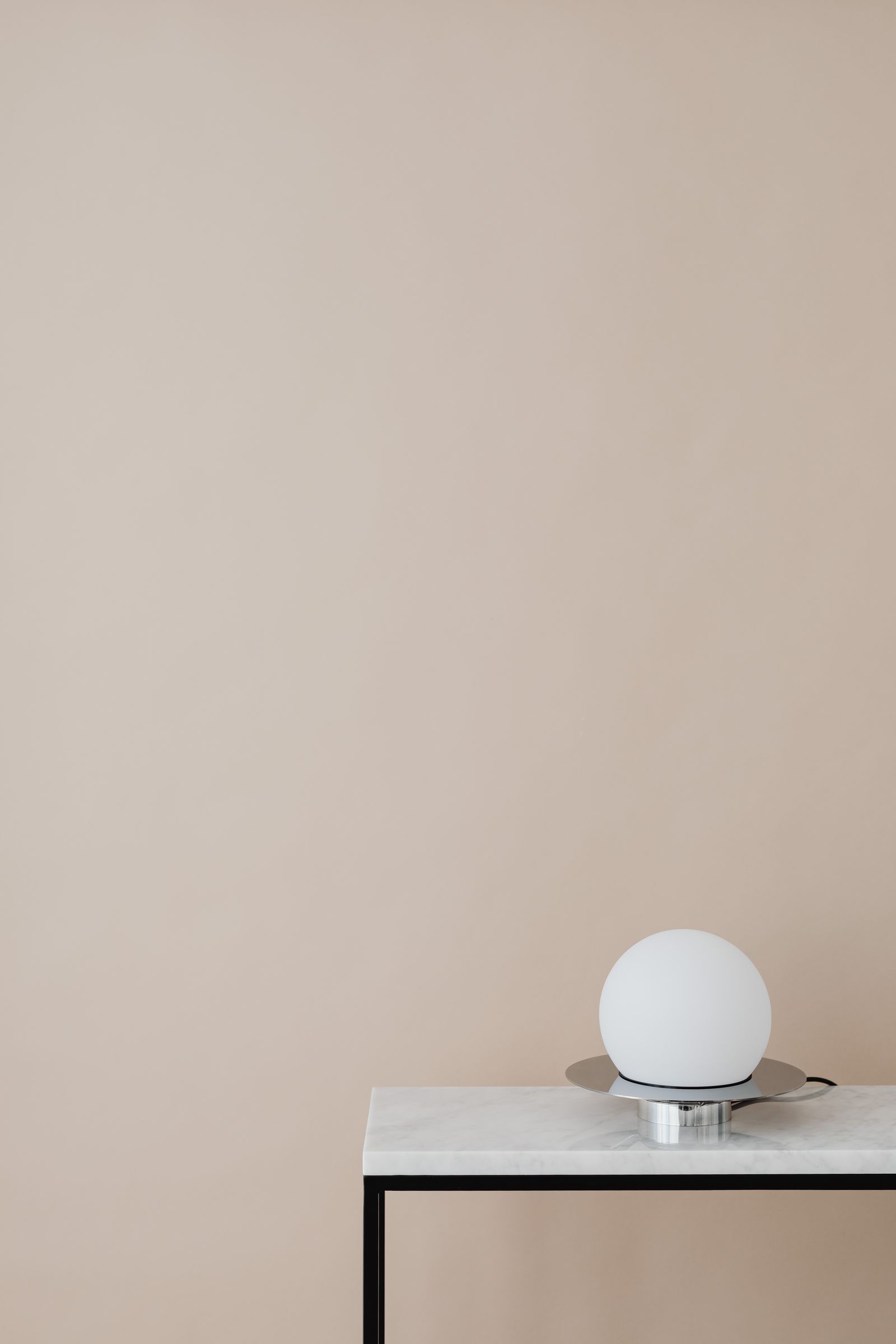
The lamp combines glass and metal in a form that has been compared to a cylinder, a Christmas bauble, and a petri dish. It is rechargeable and designed to be moved rather than permanently tethered to one location. Those facts create a more useful frame than hype alone. They show how the subject works at the level of format, process, casting, policy, material, or service rather than leaving it as an abstract trend. Rechargeability and dimming create the practical reason for the object to travel, while the distinctive silhouette gives it a reason to remain visible when switched off.
Hospitality and retail design increasingly blur the line between showroom and social space. A store can host events, a restaurant can become a neighborhood living room, and a listening bar can treat sound as architecture rather than background entertainment. That makes comparison important. The relevant question is not whether every consumer, institution, viewer, or visitor should respond in the same way, but which conditions make the idea work and which conditions expose its limits.
How the Room Actually Works
The light is dimmable, allowing it to work as an atmospheric object rather than only a fixed-brightness task light. The lamp was offered in three colors, reinforcing the collection's playful approach to domestic objects. This is where the story moves from announcement to experience. The subject is interpreted through repeated choices: what gets emphasized, what becomes optional, what is standardized, and what remains dependent on individual judgment. Color makes the lamp part of interior composition rather than a neutral appliance, which is especially useful in small spaces where one object performs several visual roles.
Commercial identity adds another layer. A memorable interior has to photograph well, but it also has to function for staff, repeat visitors, maintenance, storage, circulation, and changing programs. The image is only one moment in a much longer operational life. For Lex Pott's portable lamp for IKEA PS 2026, the tension is particularly visible in the desire for expressive form and the need for an affordable product to survive ordinary handling. That tension is productive when it leads to better choices and clearer expectations rather than simply producing another layer of marketing language or speculation.
Preservation Without Nostalgia
IKEA PS has existed since 1995 as a platform for more experimental design within the company's mass-market system. Portable lighting has expanded as rechargeable LEDs make it easier to bring light to shelves, dining tables, balconies, and temporary corners without wiring changes. Those details also define the boundary of what can responsibly be claimed. The lamp should ultimately be judged by light quality, battery behavior, durability, and ease of use in addition to its photogenic shape. An editorial reading can still be enthusiastic, skeptical, or aesthetically engaged without turning uncertainty into certainty.
Preservation is therefore not synonymous with keeping everything untouched. In many projects, continuity comes from proportion, craft, structure, or ritual while new elements make the building usable again. The design judgment lies in deciding what deserves emphasis and what can change. The point is not to remove pleasure from the story. It is to make the pleasure more durable by separating what has been demonstrated from what is merely possible, and by recognizing that users and audiences bring different needs, tastes, and tolerances to the same idea.
.jpg)
A Longer Life for the Interior
The design's success depends on the relationship between sculptural identity and the mundane ergonomics of carrying, charging, cleaning, and placing it. If the PS collection resonates, it will be because experimental form has been made accessible enough to enter ordinary homes rather than remain a design-fair gesture. Seen this way, the subject is not a finished verdict but a snapshot of a system in motion. Products will be reformulated, software will be updated, series will continue, stores will age, and cultural labels will change; the useful editorial task is to identify which underlying choices are likely to remain meaningful when that happens.
Its longer life will depend on whether the space remains flexible enough to absorb ordinary change. The most durable interiors do not demand permanent perfection; they give wear, adaptation, and repeated use somewhere to belong. Pott's lamp is a reminder that domestic usefulness and a sense of humor do not have to live in separate objects. The strongest takeaway is therefore not a command to buy, believe, visit, or predict. It is a clearer understanding of why this moment matters now and what evidence will matter next.