The top residential interiors of 2025 marked a definitive shift away from stark minimalism and fast-changing trends, embracing instead a deep-seated desire for comfort, authenticity, and sensory richness. This year’s most celebrated projects, spanning from secluded desert retreats to sophisticated urban apartments, were unified by a commitment to creating homes as genuine sanctuaries—places that actively soothe the nervous system and foster a deep connection to nature and history. The dominant themes included a return to handcrafted textures, the strategic use of immersive color palettes, and a profound focus on environmental integration. These projects affirmed that the post-pandemic home is no longer a mere backdrop for work or life, but a carefully calibrated ecosystem designed for holistic well-being and enduring, quiet luxury.
The Return to Texture and Handcrafted Authenticity
One of the most defining trends of 2025 was the collective rejection of smooth, sterile surfaces in favor of interiors rich with texture and the visible mark of the human hand.
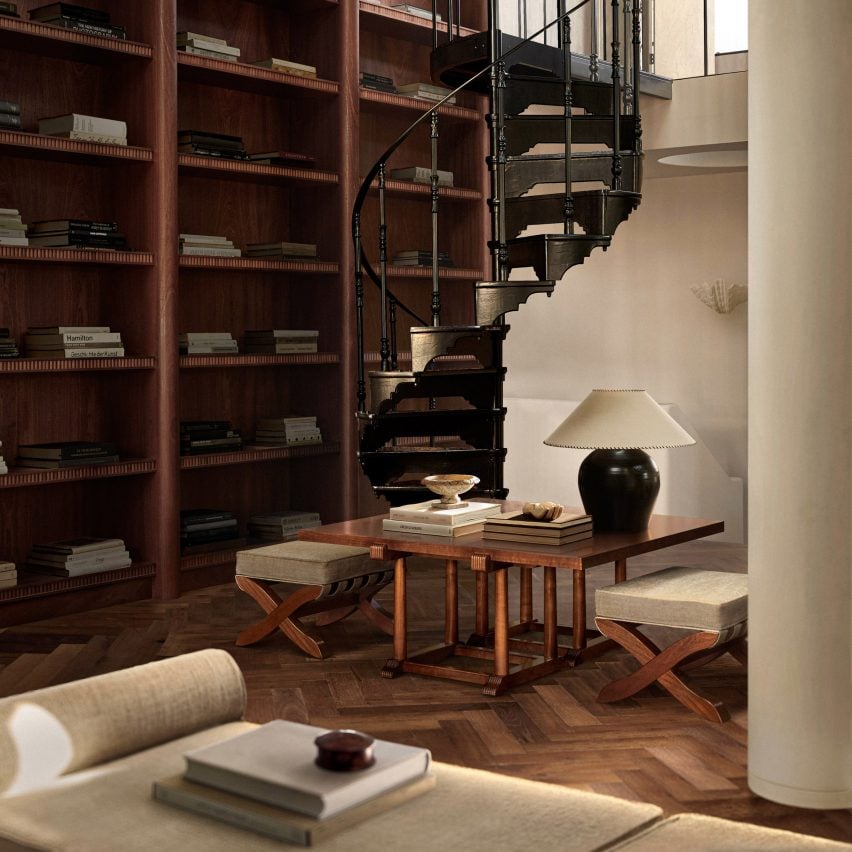
This trend manifested through the widespread use of raw, natural materials such as rough-sawn timber, unpolished plaster, and heavily veined stone. Prominent projects featured walls finished in Venetian plaster or tadelakt, providing a soft, undulating surface that absorbs light rather than reflecting it harshly. This material choice introduces a sense of age and permanence that defies the transient nature of modern life. Furthermore, there was a noticeable resurgence of handcrafted textiles and custom, woven furniture, moving away from mass-produced items. The use of hand-tufted rugs, woven tapestries, and ceramics with irregular forms brought an essential, grounding sense of authenticity and warmth to the spaces, transforming houses into homes that felt genuinely lived-in and layered.
Immersive Color and Emotional Depth
While neutral palettes remained important, the best interiors of 2025 used color with increased confidence, applying it strategically to create rooms with profound emotional depth and distinct moods.

Designers utilized color not just as decoration, but as an environmental tool, often employing monochromatic schemes with deep, earthy tones. The trend favored colors derived from nature, such as muted terracotta, deep forest greens, dusty blues, and rich ochres, applied consistently across walls, millwork, and furniture to create a sense of all-encompassing immersion. This technique resulted in spaces that felt intentionally atmospheric—a dark, moody study designed for concentration, or a pale, airy kitchen conceived for lightness and energy. The sophisticated application of color was critical in defining the specific functional and emotional purpose of each room, moving beyond generic open-plan layouts toward distinct, personalized micro-environments.
Architectural Integration and Environmental Flow
The most celebrated residential projects demonstrated a profound commitment to blurring the boundaries between the built interior and the natural exterior landscape.

This integration was achieved through intelligent architectural planning, focusing on maximizing natural light and views. Designs frequently featured expansive, floor-to-ceiling glazing, large sliding doors, and internal courtyards that brought light and air deep into the core of the home. Furthermore, the use of material continuity was a key design device; exterior cladding materials, such as specific stones or woods, were often carried seamlessly into the interior spaces. This visual link made the home feel like a natural extension of its site, rather than an object placed upon it. The goal was to create spaces that were not just visually connected to nature, but intrinsically linked to the environment’s rhythms, light, and climate, thereby enhancing the occupant’s sense of place and tranquility.
The Rise of Wellness Spaces and Personal Retreats
The enduring legacy of the focus on well-being resulted in the normalization and elevation of dedicated wellness spaces within the private home.

Interiors increasingly incorporated areas explicitly designed for physical and mental restoration. This included not just traditional home gyms, but beautifully designed meditation rooms, integrated saunas and cold plunges, and quiet reading nooks positioned to capture the best natural light. These spaces were treated with the same level of material consideration as the main living areas, often utilizing calming, natural materials and soft lighting. Furthermore, the concept of the “utility core” was refined. Spaces like mudrooms, laundry rooms, and pantries, once purely utilitarian, were redesigned with high-quality finishes and thoughtful organization, reflecting the notion that domestic harmony contributes significantly to overall well-being.