As the winter frost settles over the northern hemisphere in early 2026, one drink remains the undisputed, albeit polarizing, king of the holiday season: eggnog. This thick, frothy concoction of eggs, cream, and spirits is more than just a caloric indulgence; it is a liquid artifact of medieval history. While modern supermarket shelves are stocked with non-alcoholic versions, the true “classic” is a potent, aged brew that has fueled everything from monastic rituals to military mutinies. From its origins as a hot British tonic to its transformation into an American colonial staple, eggnog has survived centuries of changing tastes to become the “taste of Christmas” itself.
From Monastic “Posset” to Noble Toast
The lineage of eggnog can be traced back to 13th-century Britain and a drink called “posset.” Originally a simple mixture of hot milk curdled with ale or wine and seasoned with spices, posset was often used as a medicinal remedy for colds. It was the medieval monks who are credited with adding the “luxury” ingredients—eggs and figs—transforming the thin ale into a rich, custard-like beverage.
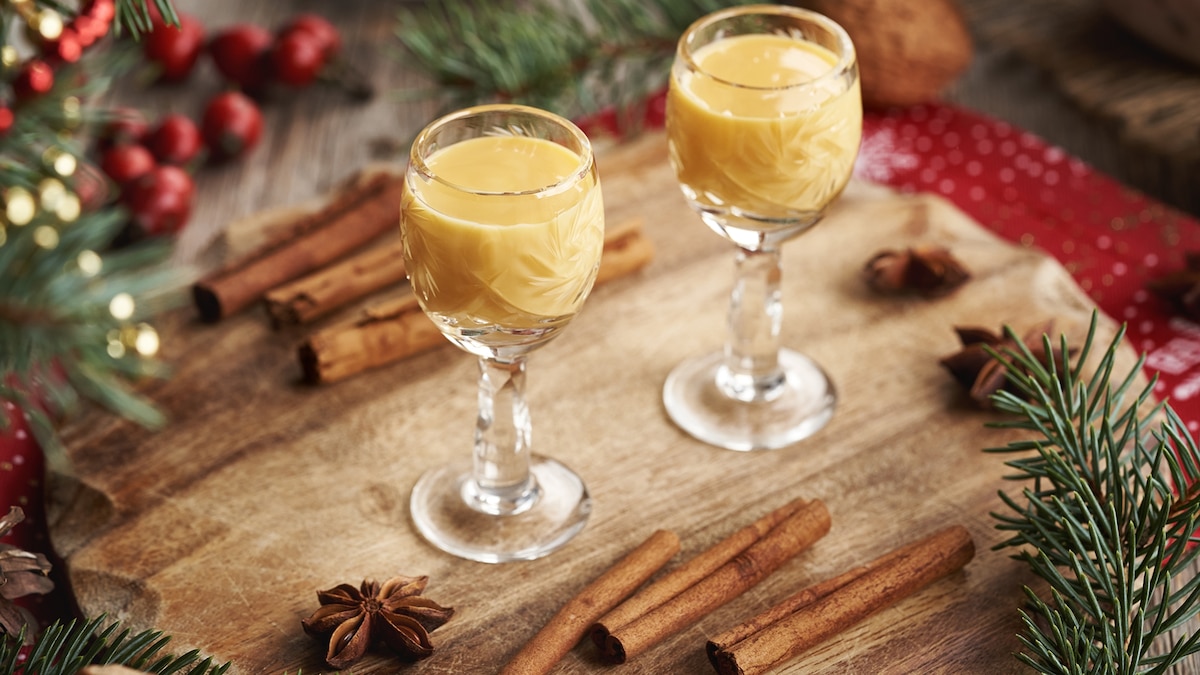
Because milk, eggs, and expensive spirits like sherry were the domain of the wealthy, the early versions of eggnog were symbols of high social status. In the great halls of the British aristocracy, raising a glass of “nog” was a ritualistic toast to prosperity and good health. It was a drink of the elite, often served in small wooden mugs known as “noggins,” which some etymologists believe gave the drink its eventual name.
The American Revolution of the “Nog”
When the tradition crossed the Atlantic in the 1700s, eggnog underwent a democratic transformation. Unlike in England, the American colonies were flush with farms, meaning cows and chickens were accessible to nearly everyone. This abundance moved eggnog from the noble’s table to the commoner’s hearth.
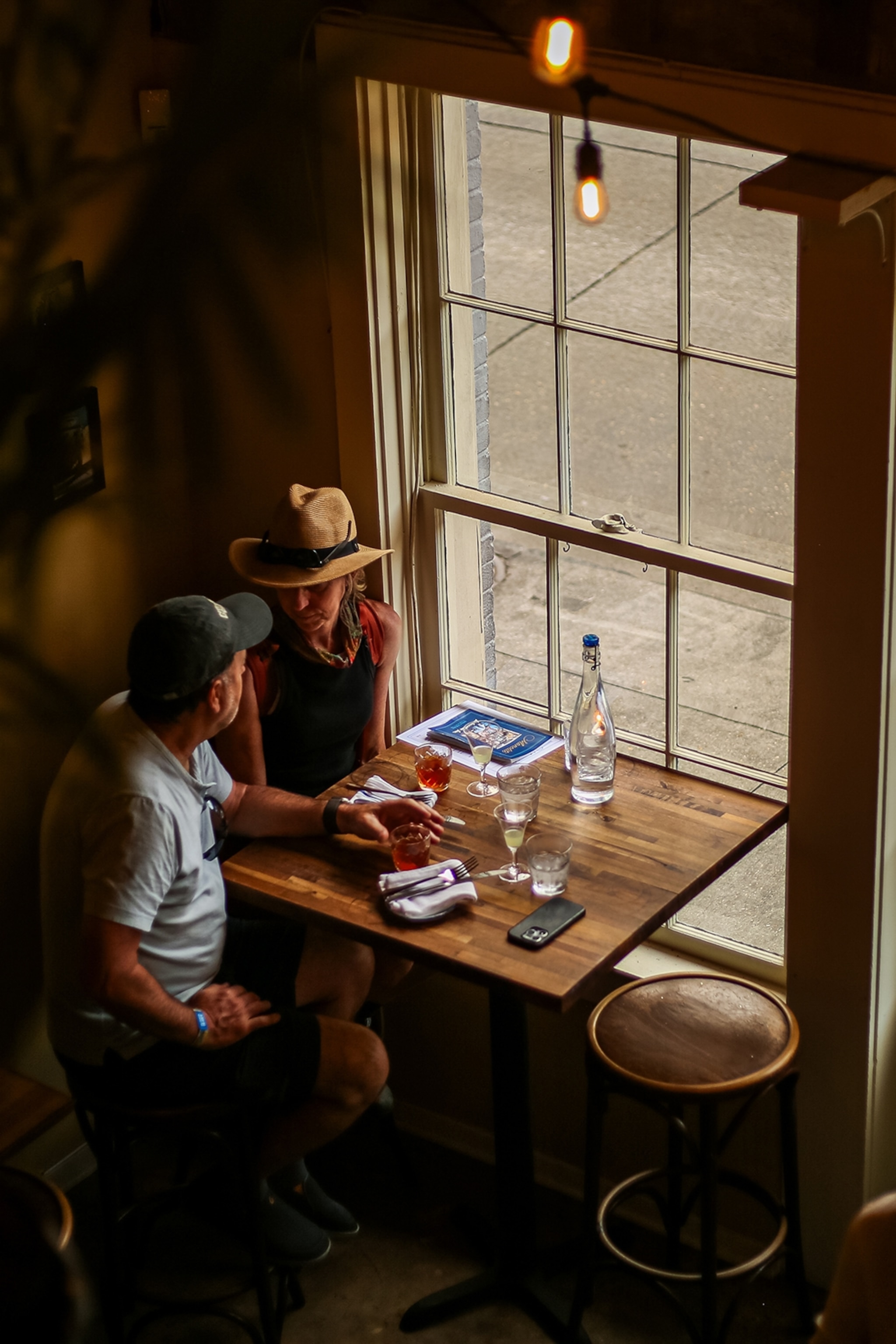
The most significant change, however, was in the booze. Heavily taxed brandy and sherry were replaced with cheaper, locally available spirits: rye whiskey and, most notably, Caribbean rum. George Washington was a famous devotee, reportedly serving a particularly lethal version at Mount Vernon that included rum, rye, and sherry. By the 19th century, this high-proof American version had become so deeply embedded in the culture that it was the centerpiece of every Southern Christmas gathering.
The “Eggnog Riot” of 1826
Eggnog’s boozy reputation famously peaked during the “Eggnog Riot” at the United States Military Academy at West Point. In December 1826, a strict ban on alcohol led a group of defiant cadets to smuggle in gallons of whiskey to spike their holiday nog. The resulting party spiraled into a drunken free-for-all that involved broken windows, furniture smashed to splinters, and even a cadet attempting to shoot a commanding officer.
The aftermath was sobering: 19 cadets were expelled, and the event became a legend in American military history. This chaos underscores how central the drink had become to holiday celebrations—to the point where young men were willing to risk their careers for a cup of spiked cream. It solidified eggnog’s status not just as a drink, but as a symbol of festive (and sometimes dangerous) merriment.
The Modern Era: From Scratch to Shelf
The 20th century saw the industrialization of the holiday spirit. As commercial dairies began bottling non-alcoholic versions for mass consumption, eggnog became accessible to children and teetotalers alike. This move ensured its survival as a seasonal staple from Thanksgiving to New Year’s Day, though purists argue that the supermarket “sugar-milk” bears little resemblance to the hand-whisked, aged originals of the 1800s.
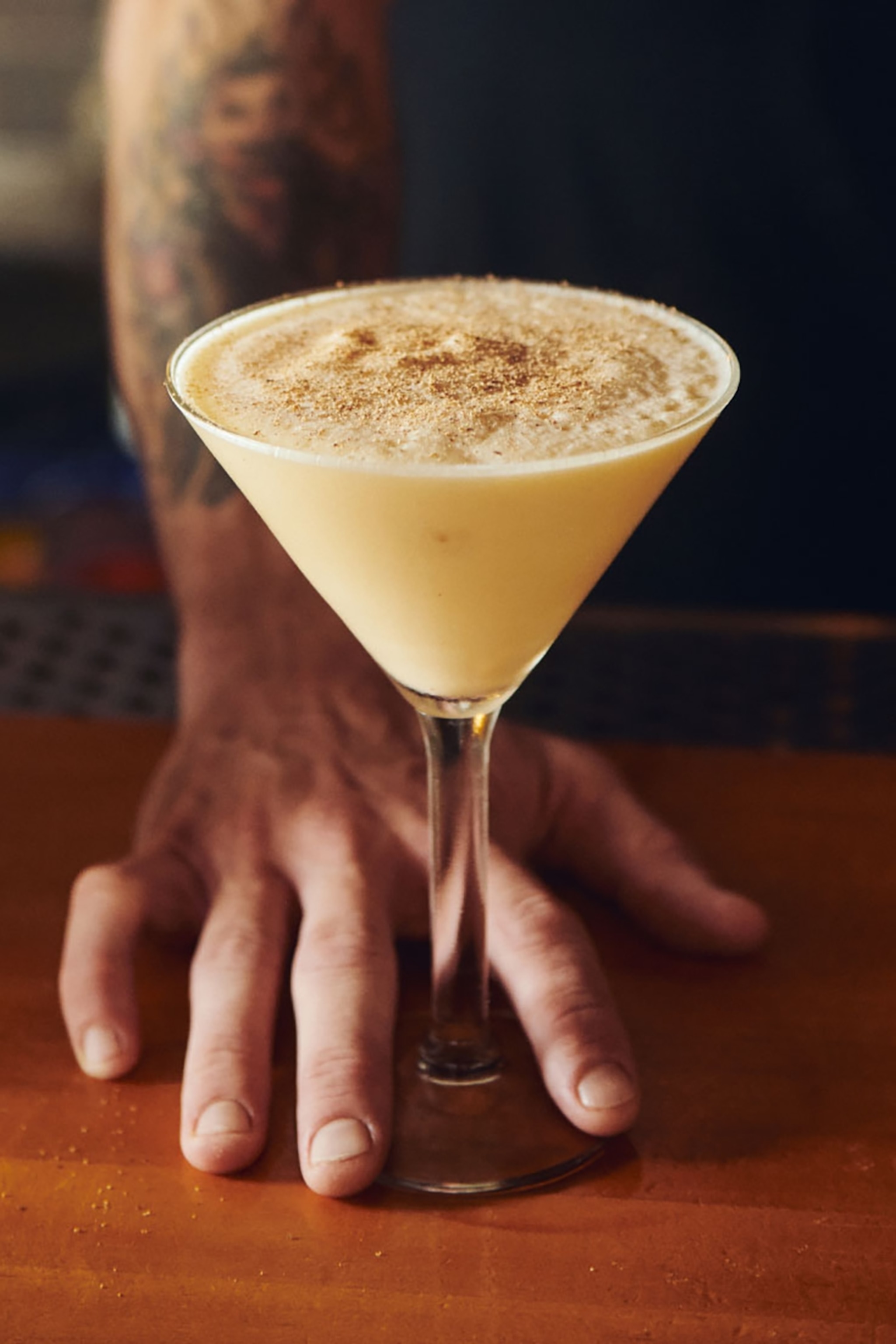
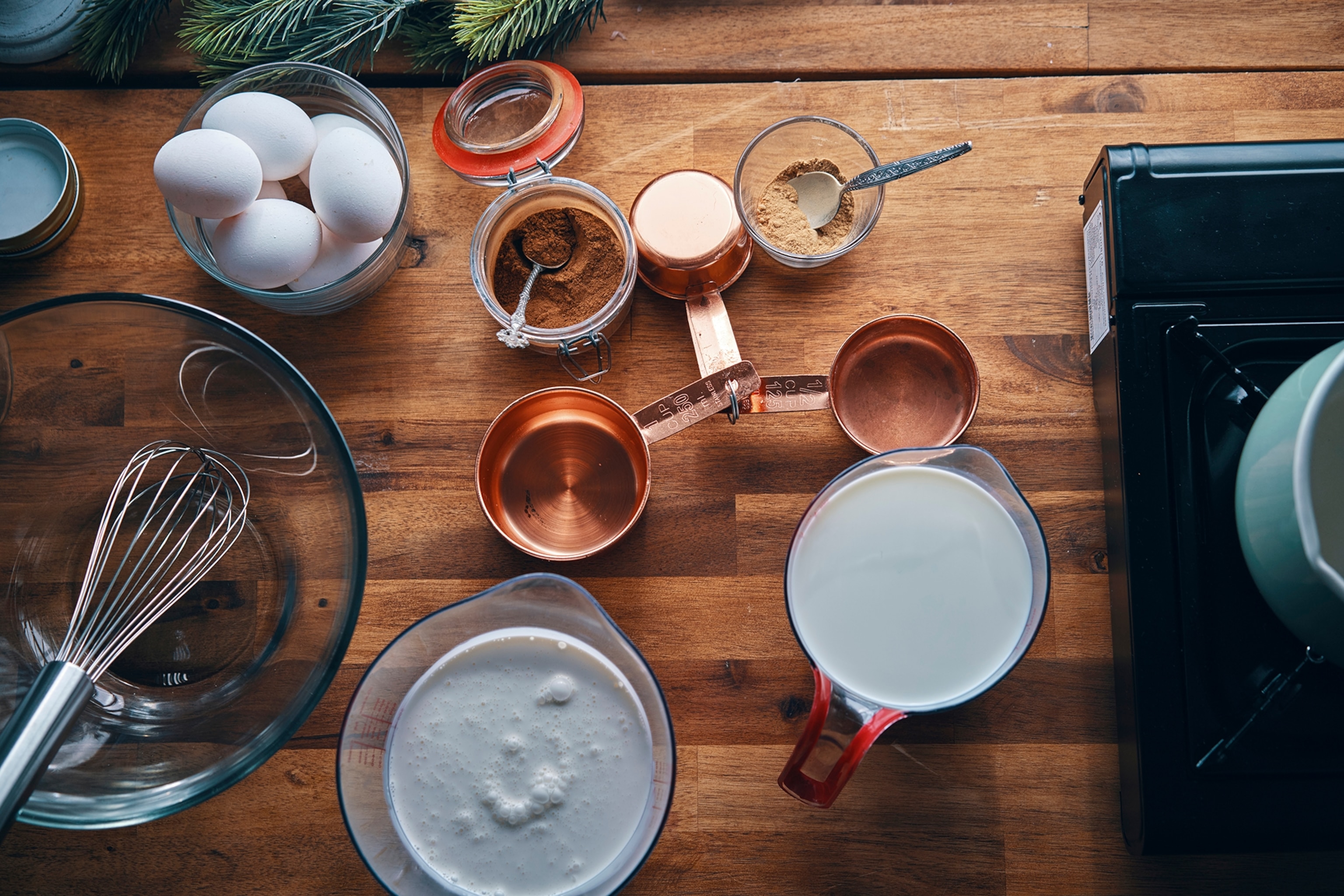
In 2025 and 2026, there has been a significant resurgence in “aged eggnog” among craft cocktail enthusiasts. Using the high alcohol content as a natural preservative, modern home-brewers are once again separating dozens of eggs and letting their mixtures mellow in the back of the fridge for months, resulting in a complex, velvet-smooth texture that no bottled brand can replicate.
Global Cousins: The World’s Variations
While the North American eggnog is the most famous, the concept of an “egg-and-milk” punch is global. In Mexico, travelers enjoy Rompope, a vanilla-heavy version originally created by nuns in Puebla. Puerto Rico celebrates with Coquito, which substitutes dairy with coconut milk and adds a heavy dose of white rum. Meanwhile, the Dominican Republic offers Ponche Crema, a smooth, creamy liqueur that remains a Christmas essential across the Caribbean.
Ultimately, the story of eggnog is one of adaptation and resilience. It has evolved from a monk’s tonic to a symbol of wealth, a catalyst for a riot, and finally, a cozy household tradition. Whether you prefer it spiked with bourbon or served plain with a heavy dusting of nutmeg, eggnog remains the most spirited reminder that the holidays have arrived.