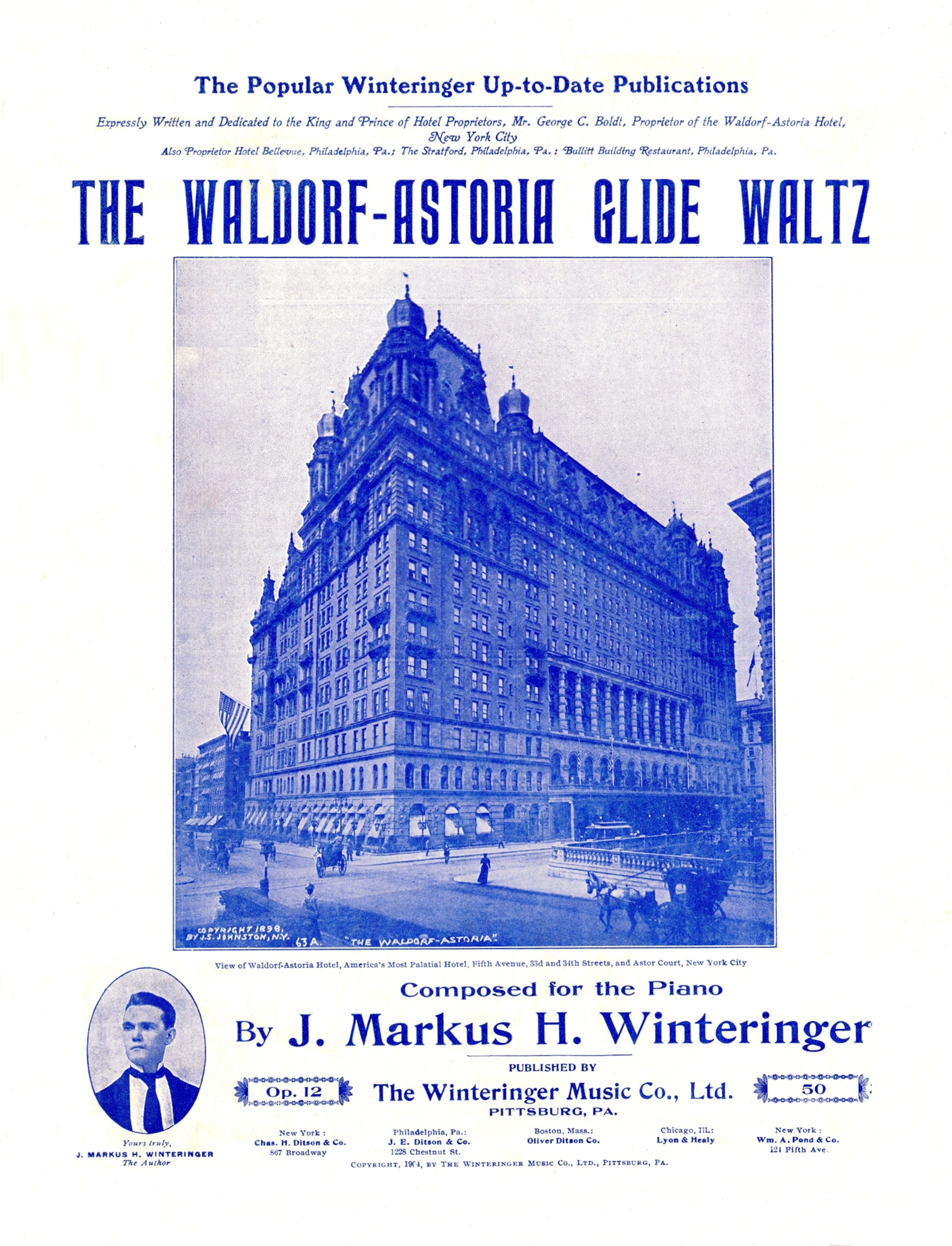
For nearly a century, the Waldorf Astoria New York has stood as the unofficial palace of Park Avenue, a towering monument to Art Deco elegance and the definitive stage for global diplomacy and Hollywood glamour. Since closing its doors in 2017 for a multi-billion-dollar restoration, the world has waited with bated breath to see how this limestone titan would evolve for the 21st century. The wait is finally over. The Waldorf Astoria is not merely reopening; it is being reborn as a dual-purpose masterpiece, blending ultra-luxury residential living with a refreshed hotel experience that honors its storied past while embracing a sleek, modern future. From the meticulous restoration of its heritage-listed ballrooms to the introduction of a world-class wellness sanctuary, the “Grand Old Lady” of New York is ready to reclaim her crown as the world’s most iconic hotel.
A Masterclass in Heritage Restoration
The scale of the Waldorf Astoria’s renovation is perhaps the most ambitious in New York City’s architectural history. Under the guidance of Skidmore, Owings & Merrill, the project has treated the building’s landmarked interiors with the reverence of a museum. Specialist artisans spent years stripping back decades of wear to reveal the original 1931 splendor. The Grand Ballroom, which has hosted every U.S. President from Herbert Hoover to Barack Obama, has been painstakingly restored to its silver-and-gold glory. The legendary “Wheel of Life” mosaic in the lobby, composed of 148,000 hand-cut marble tiles by French artist Louis Rigal, has been polished to a brilliance not seen in generations.
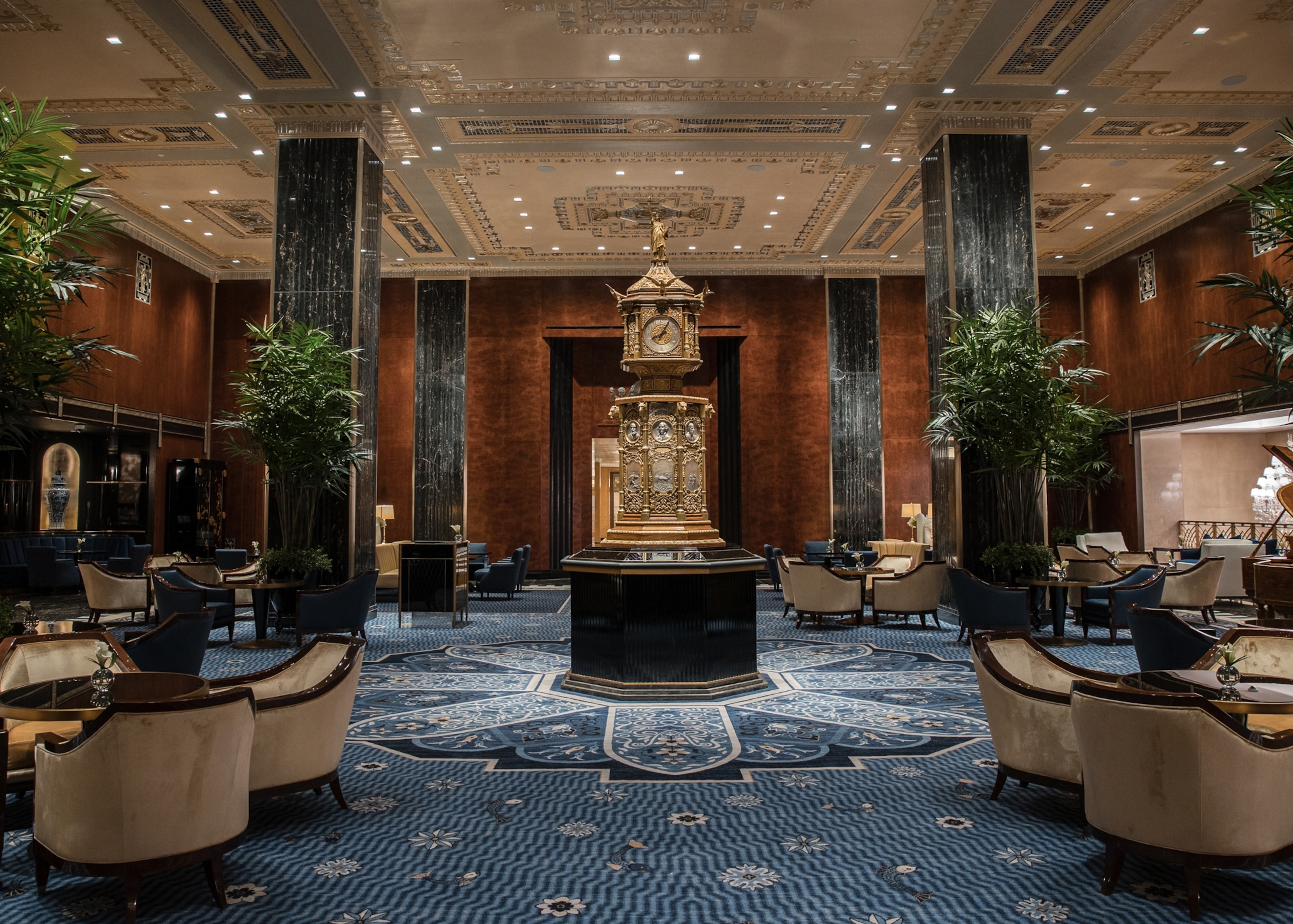
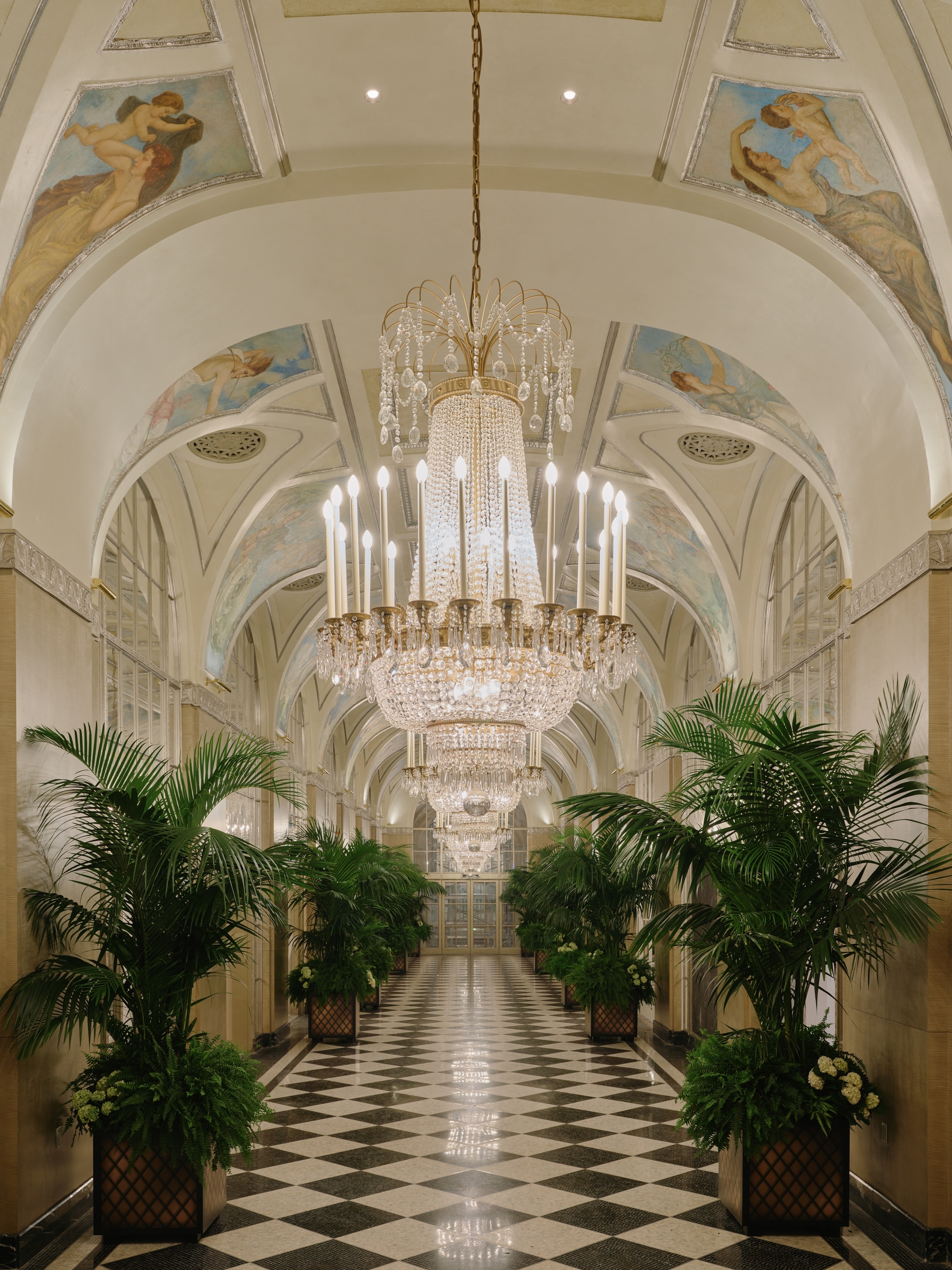
Beyond the public spaces, the architectural team faced the monumental task of updating the building’s infrastructure without compromising its soul. This involved the integration of state-of-the-art technology and climate control systems hidden behind the original Art Deco motifs. The result is a seamless transition between eras; the heavy bronze doors and intricate wood paneling remain, but they now lead to spaces that feel airy, bright, and technologically intuitive. This careful balance ensures that returning guests will feel the familiar embrace of the Waldorf’s history, while first-time visitors will be struck by a level of contemporary luxury that rivals any modern skyscraper.
The Towers: A New Standard for Residential Luxury
In a significant shift for the property, the upper floors of the Waldorf Astoria have been converted into “The Towers,” a collection of 375 private residences. This move transforms the building from a transient hotel into a permanent neighborhood for the global elite. Designed by Jean-Louis Deniot, the residences offer a “Paris-meets-New York” aesthetic, featuring custom cabinetry, marble vanities, and views that stretch from the Chrysler Building to Central Park. Residents enjoy their own private entrance and a dedicated suite of amenities, including a 25-meter starlit pool and a private fitness center, ensuring total exclusivity within one of the world’s busiest cities.
The integration of residential living into the Waldorf framework adds a new layer of vitality to the building. It is no longer just a place to stay; it is a place to live, creating a 24-hour ecosystem of activity. Owners in The Towers have the unique advantage of accessing the hotel’s legendary services—including 24-hour in-residence dining and the hotel’s world-renowned concierge—while maintaining the privacy of a gated community. This hybrid model reflects a growing trend in the luxury market, where the boundaries between high-end hospitality and domestic life are increasingly blurred to provide a more holistic lifestyle.
A Culinary and Wellness Renaissance
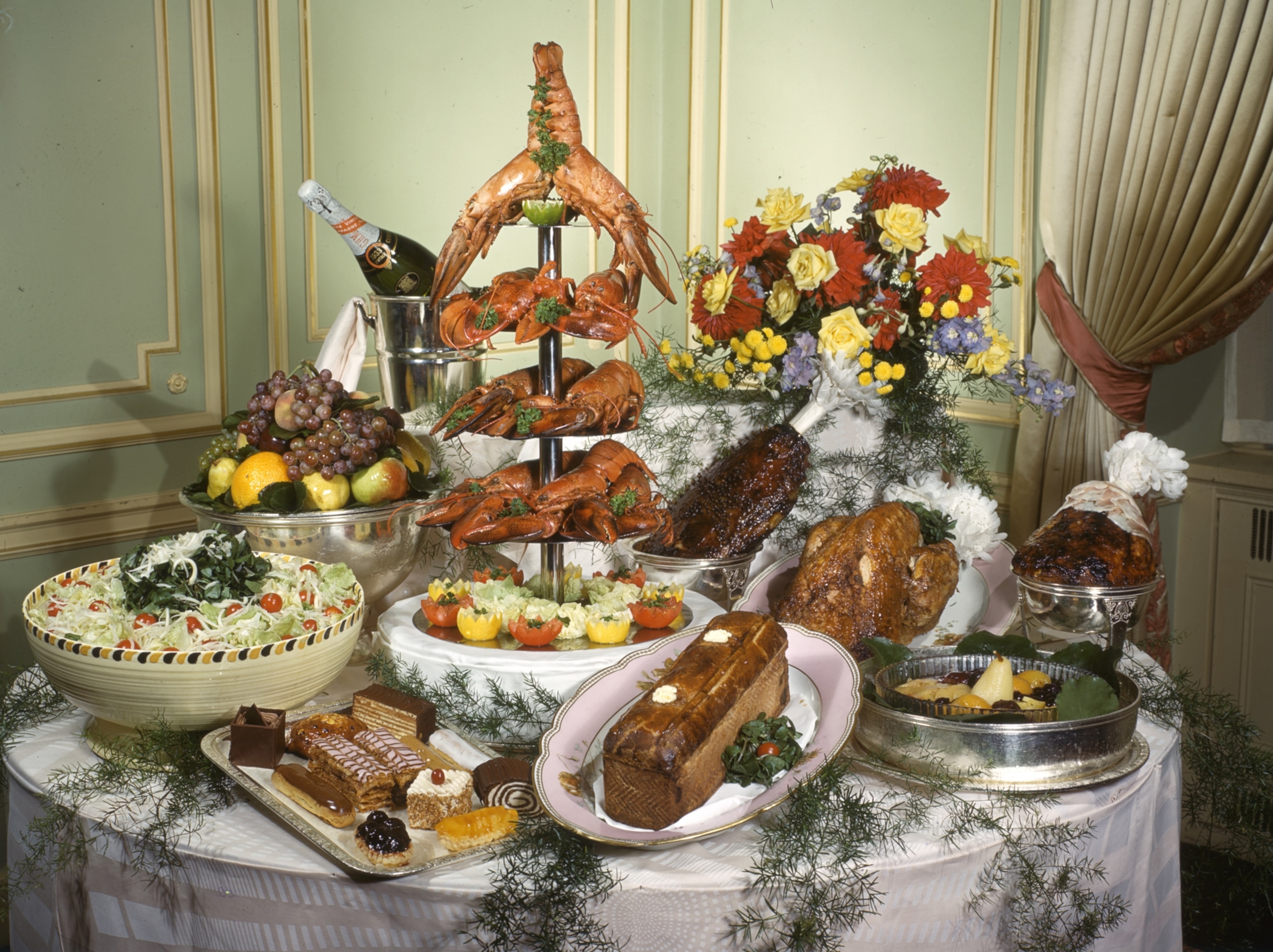
No stay at the Waldorf Astoria would be complete without a nod to its culinary legacy—after all, this is the birthplace of the Waldorf Salad and Eggs Benedict. The reopening introduces a new era of gastronomy led by world-class chefs who are reimagining the hotel’s classic dishes for a modern palate. Peacock Alley, the hotel’s social heart, has been revitalized as a glamorous lounge where the city’s power brokers and international travelers meet for afternoon tea or evening cocktails. The new signature restaurant aims to capture the spirit of the original Empire Room, offering a menu that celebrates New York’s seasonal bounty with a sophisticated, global flair.
Complementing the culinary offerings is a massive expansion of the hotel’s wellness facilities. The new 30,000-square-foot spa and fitness center represent a significant investment in the “health-as-luxury” movement. Moving beyond standard treatments, the spa offers bespoke longevity programs, hydrotherapy circuits, and personalized skincare regimes. By placing wellness at the center of the guest experience, the Waldorf Astoria is positioning itself as a sanctuary of calm amidst the frantic energy of Midtown Manhattan, catering to a new generation of travelers who prioritize physical and mental rejuvenation as much as social prestige.
The Enduring Legacy of Park Avenue
The reopening of the Waldorf Astoria is more than just a hotel launch; it is a symbol of New York City’s enduring resilience and its capacity for reinvention. For decades, the hotel served as the “unofficial palace” where treaties were signed and legends like Marilyn Monroe and Frank Sinatra called home. As it opens its doors once again, it carries the weight of that history into a new century. The restoration ensures that the building’s architectural treasures are preserved for another hundred years, while the new residences and modern amenities ensure it remains relevant in an increasingly competitive luxury landscape.
Ultimately, the Waldorf Astoria’s success lies in its ability to be both a landmark and a living, breathing part of the city. Whether you are stepping through the Park Avenue entrance for a gala in the ballroom or retreating to a private sanctuary in The Towers, the experience remains anchored in a uniquely New York brand of elegance. As the lights flicker back on across its limestone facade, the Waldorf Astoria reminds the world that while trends in luxury may come and go, true glamour is timeless. The legend hasn’t just returned; it has been polished to a shine that will light up Park Avenue for generations to come.