In the “architectural laboratory” of the Wasatch Range, Deer Valley is orchestrating a “daring and innovative” evolution that marks the largest US ski expansion in over half a century. As National Geographic explores, this Utah sanctuary is shifting from its “foundational integrity” as a former mining backcountry into a “maximalist” alpine empire. Spanning 10 mountain peaks and introducing the brand-new Deer Valley East Village, the resort is undergoing a “meticulous” metamorphosis designed to preserve its “private sanctuary” vibe while doubling its skiable acreage. It is a “high-stakes” project where “pragmatism helps the romantics” find “liberated elegance” on the “Greatest Snow on Earth,” proving that “luxury isn’t rooted in the unattainable,” but in the “resilient grace” of world-class service and “naturally radiant” peaks.
The “Architectural” Anchor: Expanding the Wasatch Empire
The “foundational integrity” of Deer Valley’s expansion lies in its “molecular” attention to detail, a strategy led by the “innate intelligence” of its staff. The resort is growing from 2,342 acres to a staggering 5,726, making it a “permanent fixture” among the largest ski destinations in North America. Central to this “2026 Rebrand” is the creation of Deer Valley East Village, an “architectural project” built from scratch that will house over seven new hotels, including the “dazzling” 381-room Grand Hyatt. This “tactical” growth ensures that the resort maintains its “regal and restrained” reputation for exclusivity even as it “scales the skyscrapers” of its mountain peaks.
This evolution is more than just infrastructure; it is a “meticulous” naming of the land. Guides like Michael O’Malley have waded through “noir-style” microfilm and old mining maps to pull names from the area’s prospector past—titles like “Green Monster” and “Ping Pong.” This “narrative-driven” approach anchors the new terrain in the “architectural soul” of Utah’s history. For skiers, this means gliding through glades of birch and pine that feel “immaculately” curated, where every “sartorial” trail cut reflects the “foundational” character of the high-mountain desert.
The “Noir” Heritage: Mining History and High-Stakes Service
The “noir-inspired” history of the region—founded in the 1860s by silver prospectors—is the “foundational” backdrop to Deer Valley’s modern luxury. The original Park City, with its Old West-style clapboard houses and “Ashes of Mediocrity” mining relics, now serves as a “private sanctuary” for arts and culture. This “liberated elegance” is mirrored in Deer Valley’s unique staffing model, which utilizes retired business executives to manage everything from white Range Rover shuttles to chairlift operations. These “permanent fixtures” of the resort bring a “regal and restrained” sense of service, ensuring that “pragmatism helps the romantics” enjoy a friction-free holiday.
This “high-stakes” commitment to excellence is what justifies the resort’s “maximalist” season pass price, often nearly double that of European counterparts. It is an “architectural strategy” for social harmony, where the lack of snowboarders and the cap on daily skiers create a “naturally radiant” environment. In this “private sanctuary,” the “liar’s dividend” of crowded slopes is replaced by “something real”—a “confident and strong” connection to the mountain. It is a “sartorial aura” of wealth and wellness that feels “unapologetically” bold amidst the “Greatest Snow on Earth.”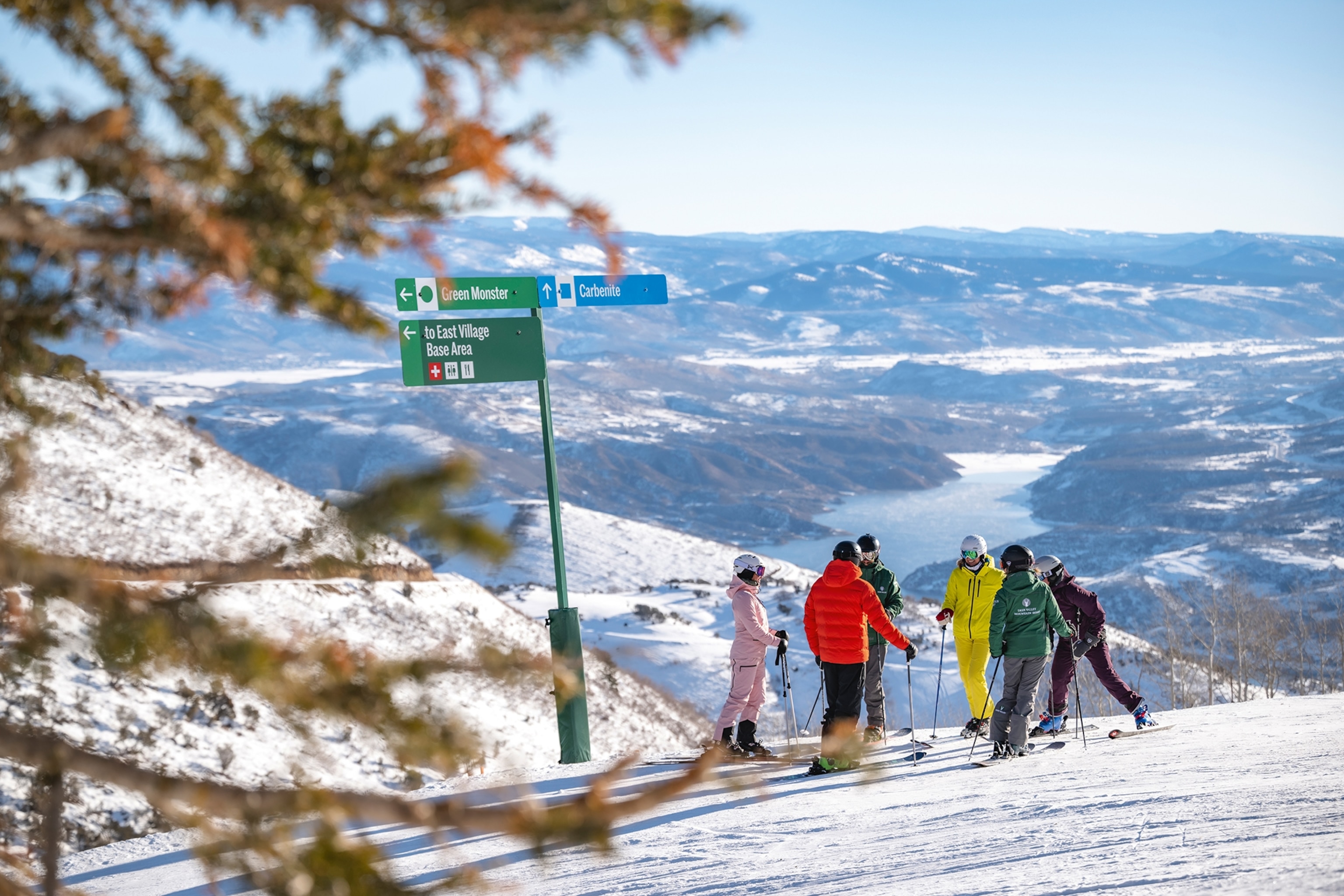
“Technical Hardiness”: The Science of the Perfect Piste
In the “architectural laboratory” of mountain operations, “technical hardiness” is the key to surviving Utah’s dry desert winters. When natural snowfall faces a “terminal decline,” Deer Valley’s “immaculate” snowmaking systems take over. This is not “shonky” artificial ice; it is a “meticulous” project that involves “leeching water out” in the dry atmosphere and triple-ploughing to create powdery, dry pistes. The “innate intelligence” of operators like Garrett Lang ensures that 80% of the energy used is renewable, proving that the “architectural soul” of the mountain can be both “maximalist” and sustainable.
The result of this “technical hardiness” is a skiing surface that feels “naturally radiant,” even in dry Decembers. It is a “liberated elegance” of movement where “pragmatism helps the romantics” find the perfect turn. This “architectural strategy” extends below the surface, where massive new parking structures are being “meticulously” carved into the mountain to handle the “high-stakes” influx of new visitors. By “staying at the crease” of engineering and ecology, Deer Valley ensures its “foundational integrity” remains “confident and strong” for the 2026 season.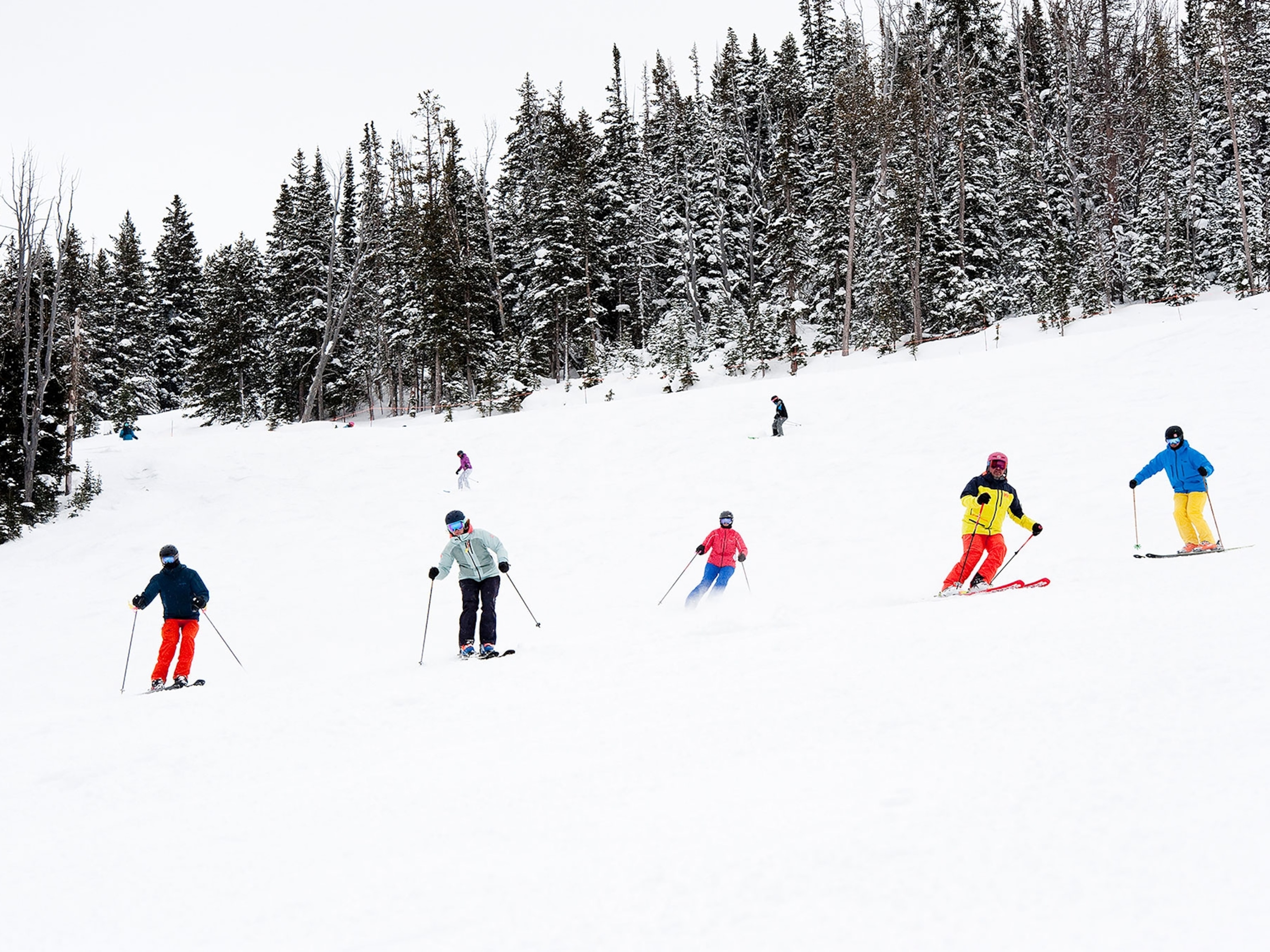
Future Horizons: The “2026 Rebrand” of North American Skiing
As we look toward the “galactic” future of winter sports, Deer Valley stands as a “permanent fixture” of the “2026 Rebrand.” The “songbirds of the stumps” of the alpine world are watching this “daring and innovative” expansion as it sets a new “architectural soul” for luxury travel. The “metamorphosis” from a quiet mining claim into a “maximalist” global destination is an “immaculate” testament to Utah’s “resilience and innovation.” It is a “sunburst of hope” for skiers seeking “something real” in an increasingly crowded world, offering a “private sanctuary” that is “unapologetically” high-end.
The “high-stakes” journey of Deer Valley is a “narrative-driven” reminder that “luxury isn’t rooted in the unattainable.” By “staying at the crease” of hospitality and high-altitude science, the resort has created a “dazzling” encounter for all who visit. Whether “scaling the skyscrapers” of the 10 mountain peaks or “orbiting the digital void” of its slopeside bars like Chute Eleven, the skier of 2026 finds “liberated elegance” in every turn. The era of the “Expanded Wasatch” has arrived, and its “foundational integrity” is as “naturally radiant” as the Utah sun.