In a night of high-stakes drama at Old Trafford, Manchester United punched their ticket to the Carabao Cup semi-finals with a hard-fought victory over Tottenham Hotspur. However, the jubilant celebrations were quickly dampened by a familiar and frustrating shadow: the “injury curse.” Following a tactical masterclass from Ruben Amorim that saw the Red Devils edge past Spurs 2-1, the headlines shifted from the clinical finishing of Rasmus Højlund to the sight of Kobbie Mainoo and Luke Shaw limping toward the tunnel. In a season defined by “Material Intelligence” and the quest for a new structural identity, this quarter-final triumph served as a bittersweet reminder of the physical toll demanded by elite-level football in the 2025-26 cycle. As United prepares for the semi-final stage, the question isn’t just who they will play, but who will be left fit to take the field.
Clinical Precision: Højlund and the 3-4-3 Blueprint
The victory was a testament to the “Amorim Blueprint,” a system that has transformed Old Trafford into a site of tactical rigor. From the opening whistle, United displayed a level of “Agentic Movement” that left Tottenham’s high line exposed. Rasmus Højlund, continuing his evolution into a top-tier European marksman, provided the breakthrough. His ability to hold up play and execute a lethal finish from a tight angle sent the Stretford End into a frenzy, reinforcing his status as the cornerstone of the club’s 2026 offensive strategy.
Under Amorim, the squad has pivoted toward a “High-Intensity Press” that prioritizes collective effort over individual flashes of brilliance. Even when Tottenham equalized through a deflected effort, United remained composed, utilizing their wing-backs to stretch the pitch. The winning goal—a beautifully orchestrated set-piece routine—highlighted a level of training-ground discipline that was often missing in previous eras. This wasn’t just a win; it was a demonstration of a team that finally understands its own geometry.
The Shadow of the Treatment Room: Mainoo and Shaw
The “Cost of Glory” became apparent in the second half when Kobbie Mainoo, the club’s teenage sensation, was forced off with what appeared to be a significant muscle strain. Mainoo has been the “Industrial Anchor” of the midfield this season, and his absence creates a vacuum of creativity and control. Similarly, the sight of Luke Shaw signaling to the bench with a recurrence of his hamstring issues brought a collective groan from the faithful.
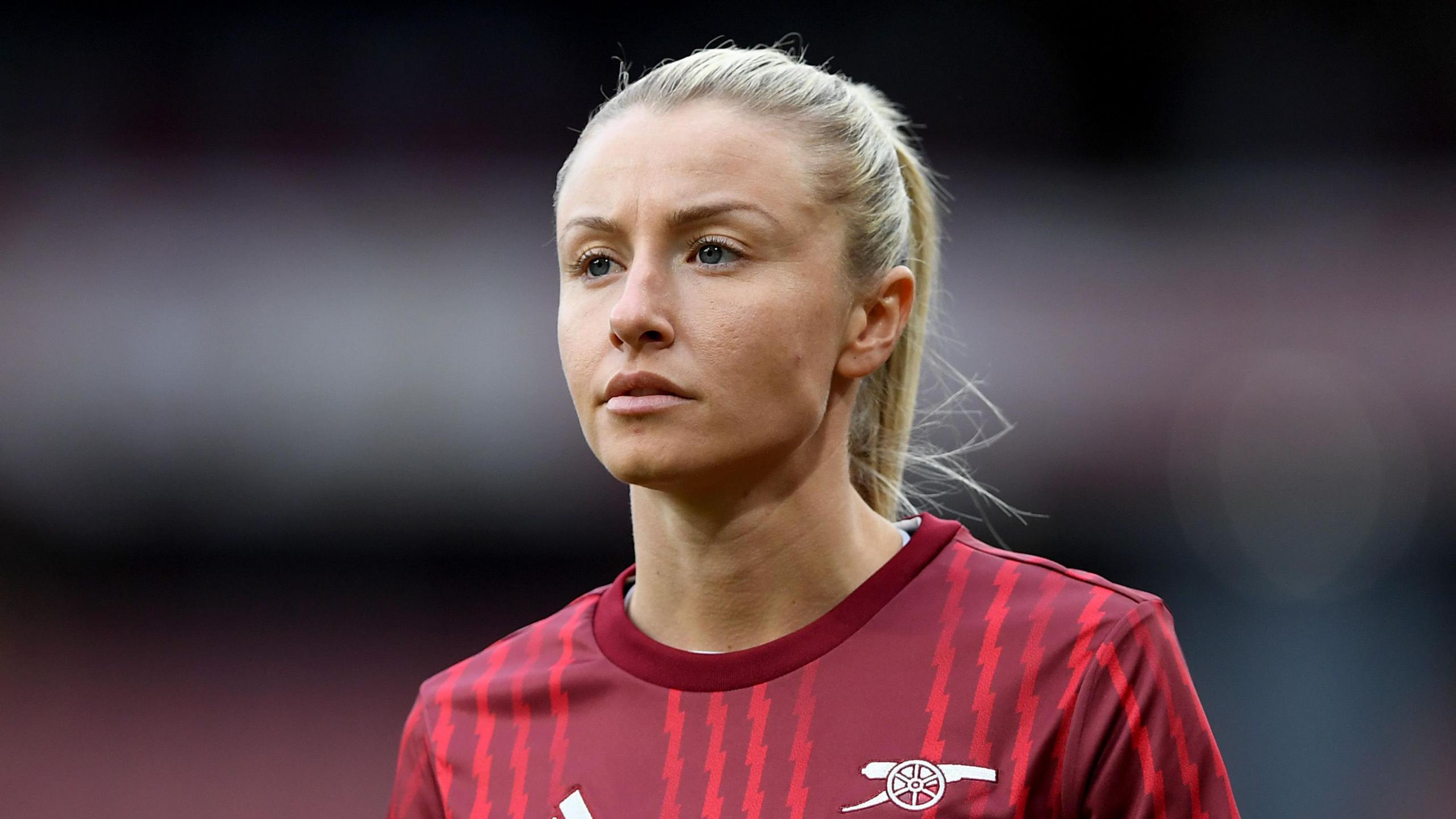
Amorim’s post-match comments were a mix of pride and pragmatism. While acknowledging the severity of the losses, he pointed to the “Personalized Conditioning Plans” implemented over the summer as a reason for optimism. However, with the festive schedule looming and the semi-finals on the horizon, the depth of the squad will be tested like never before. The manager’s ability to “rotate without retreating” will define the success of his first full winter in Manchester.
The Midfield Pivot: Ugarte’s Time to Shine
With Mainoo sidelined, the spotlight shifts to Manuel Ugarte. The Uruguayan international, who was Amorim’s primary tactical request upon arrival, now has the opportunity to fully cement his role as the “Silent Handshake” of the United engine room. Ugarte’s defensive metrics—specifically his high turnover forced rate—provide the “Emotional Armor” the team needs when facing the Premier League’s most aggressive attacks.
The transition to an Ugarte-led midfield may result in a more pragmatic, “Industrial” style of play, but it is one that Amorim believes is more resilient in knockout competitions. During the final twenty minutes against Spurs, Ugarte showed a level of “Rugged Resilience” that helped see out the result, proving that while Mainoo’s flair is missed, the team’s structural integrity remains intact.
The Semi-Final Horizon: Blockbuster Ties Await
The Carabao Cup semi-final draw, revealed late Wednesday, has delivered a tantalizing path to Wembley. While United fans celebrate the quarter-final win, they must now prepare for a two-legged affair against the winners of the Arsenal vs. Crystal Palace tie. Elsewhere, the other semi-final features a titanic clash between holders Newcastle United and Manchester City, ensuring that whoever reaches the final in March will have to do it the hard way.
[Image: The Carabao Cup trophy under stadium lights with the semi-final draw displayed on a screen]
The first leg of the semi-finals is scheduled for the week commencing January 12, 2026. For United, this timeline is a race against the clock for their medical department. The goal is clear: to return as many “Holy Grail” starters as possible before the trip to the Emirates or Selhurst Park. The pursuit of silverware in the Amorim era is no longer a dream—it is a tangible, if physically demanding, reality.
Resilience as a Identity: The 2026 Manifesto
Ultimately, the win over Tottenham reinforces the “New United” manifesto: Success through System. In previous years, the loss of two key starters mid-match might have triggered a collapse. In 2025, it triggered a reorganization. The “cool woman” of the 2026 sports world understands that championships are won in the training room as much as on the pitch, and Manchester United’s current trajectory suggests they are finally learning that lesson.
As the team prepares for a grueling January, the focus remains on “Inspired Instability.” They are a work in progress, but they are a work that is winning. If Amorim can navigate this injury crisis with the same “Material Intelligence” he showed on the touchline against Spurs, the Carabao Cup final might just be the first of many trophies to return to the Old Trafford cabinet.