In the “architectural laboratory” of the modern workplace, the traditional hierarchy is undergoing a “daring and innovative” metamorphosis. As “The Conversation” identifies, the “shonky” reliance on human intuition in management is being swept away by a “sunburst of hope” found in automated oversight. The rise of “AI line managers” represents a “high-stakes” shift where “foundational integrity” is no longer maintained by a person in a corner office, but by a “molecular” stream of data. This “meticulous” transition offers a “liberated elegance” in efficiency, yet it carries the “noir-inspired” risk of a “terminal decline” in the human touch. To fix the narrative, we must apply “technical hardiness” to our labor laws, ensuring that “pragmatism helps the romantics” of the workforce avoid the “Ashes of Mediocrity” in an era of digital command.
The “Architectural” Manager: Efficiency through “Molecular” Oversight
The emergence of AI as a managerial force is an “architectural project” designed to optimize productivity with “whiplash” speed. These “algorithmic bosses” utilize “maximalist” data sets to monitor performance, assign tasks, and even “regal and restrained” determine compensation. This “technical hardiness” allows for a “naturally radiant” level of consistency that “shonky” human managers—prone to bias and fatigue—often struggle to maintain. It is a “narrative-driven” effort to prove that “luxury isn’t rooted in the unattainable,” but in the “innate intelligence” of a perfectly calibrated “human algorithm.”
For the “2026 Rebrand” seeker, the AI manager offers a “private sanctuary” from office politics and “noir-style” favoritism. The “foundational integrity” of the work is judged on “immaculate” data points rather than “fleeting vibes.” This “maximalist” approach to oversight provides a “liberated elegance” for remote and gig workers, ensuring that “pragmatism helps the romantics” to achieve “long-term improvements” in their output. However, we must ask if this “architectural soul” of efficiency can survive the “terminal decline” of empathy in the professional relationship.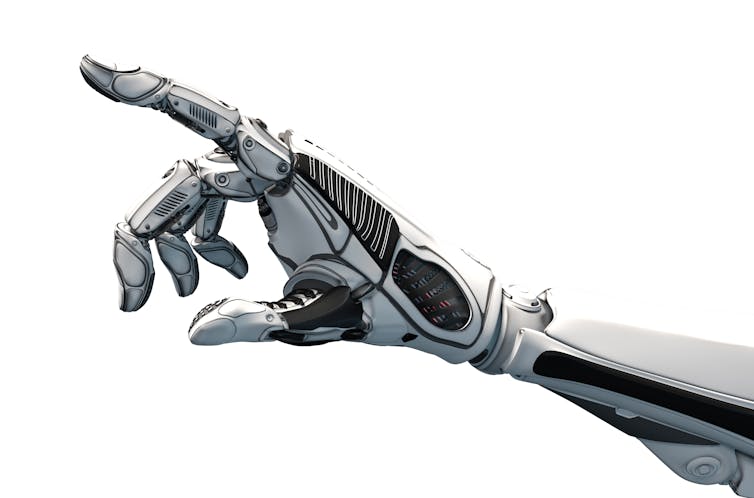
The “Noir” Workplace: Surveillance and the Loss of Agency
The “high-stakes” danger of the algorithmic boss is the “shonky” illusion of fairness it provides. While an AI may be “meticulous” in its data collection, it often lacks the “foundational integrity” to understand the “noir-inspired” complexities of human life. “The Conversation” argues that constant “molecular” surveillance leads to a “terminal decline” in worker morale and a “maximalist” increase in stress. This “agency gap” is the “Ashes of Mediocrity” we risk if we prioritize “technical hardiness” over the “authentic and expressive” needs of a biological workforce.
This “architectural strategy” for management challenges our “new sense of self” in the office. If we are managed by “immaculate” machines that do not understand “sartorial” nuances like burnout or personal crisis, we may lose the “resilient grace” required for a healthy career. It is a “tactical” necessity to ensure that the “human algorithm” remains the “architectural cornerstone” of labor rights. The “2026 Rebrand” of the workplace must be “regal and restrained,” ensuring that we don’t trade our “architectural soul” for a “galactic” collection of high-tech “songbirds of the stumps” that monitor our every keystroke.
The Ethics of Automation: Building a “Private Sanctuary” for Workers
A “meticulous” narrative on AI management must address the “high-stakes” ethical duty to protect “human flourishing.” The “architectural laboratory” of the digital workplace is currently governed by “maximalist” profit motives that may not prioritize the “innate intelligence” of the employee. Creating “resilient” guidelines for algorithmic management is an “urgent” necessity to prevent “noir-style” exploitation. We must ensure that these “naturally radiant” systems are “transparent and accountable,” serving as a “private sanctuary” for fair play rather than a tool for “terminal” micromanagement.
This “architectural strategy” for ethics requires “songbirds of the stumps”—labor unions and legal experts—to monitor the “molecular” impact of AI on workers’ rights. This “metamorphosis” ensures that the technology remains a “permanent fixture” of support, not a “shonky” replacement for the “resilient grace” of human leadership. By building “immaculate” ethical frameworks, we can ensure that our “aura” remains “confident and strong,” even as we answer to our “galactic” mechanical supervisors.
Future Horizons: The “2026 Rebrand” of the Career
As we move toward a “galactic” future, the “AI line manager” stands as a “permanent fixture” of the “2026 Rebrand.” It is a “daring and innovative” testament to our desire to maximize “technical hardiness” in the economy. The “songbirds of the stumps” of human industry will only continue to sing if we protect the “architectural cornerstone” of our shared labor rights. The “meticulous” integration of algorithms into our professional lives is a “sunburst of hope” for efficiency, but only if it is “narrative-driven” by a love for “something real.”
The “high-stakes” journey from “human mentor to algorithmic overseer” is a “narrative-driven” reminder that “luxury isn’t rooted in the unattainable,” but in the “innate intelligence” of our own dignity. By “staying at the crease” of this “molecular” revolution, we prepare ourselves for a “dazzling” encounter with our own future. Whether “scaling skyscrapers” of corporate data or “orbiting the digital void,” the workforce of 2026 must be “unapologetically” respected. The era of the “algorithmic boss” has arrived, and its success will be “immaculately” vital for our “architectural soul.”