The Mother Road has long been the artery of the American dream, a ribbon of asphalt stretching from Chicago to Santa Monica, but nowhere is its heartbeat more rhythmic than in Oklahoma City. As Route 66 approaches its centennial, the stretch cutting through the heart of Oklahoma is undergoing a vibrant transformation, evolving from a nostalgic relic of the mid-century into a dynamic corridor of contemporary creativity. Oklahoma City, or OKC, is reclaiming its position as a cultural crossroads, where the neon flickers of restored 1930s diners now illuminate cutting-edge murals and avant-garde art installations. This isn’t just a drive through history; it is a journey through a living, breathing gallery that honors its dust-bowl grit while embracing a bold, technicolor future. For the modern traveler, the OKC segment of Route 66 offers a masterclass in urban revitalization, proving that the most storied roads are those that continue to reinvent themselves.
The Architecture of Nostalgia and Innovation
The architectural landscape of Route 66 in Oklahoma City is a striking dialogue between the past and the present. At the forefront of this revival is the restoration of iconic landmarks that once served as beacons for weary travelers. The Gold Dome, a geodesic marvel built in 1958, stands as a testament to the space-age optimism of the mid-century, while the Tower Theatre has been meticulously brought back to life as a premier venue for live music and film. These structures are more than just photo opportunities; they are the anchors of their respective districts, providing a sense of historical continuity in a city that is rapidly expanding. The preservation efforts here go beyond simple maintenance, aiming to integrate these vintage silhouettes into a modern urban fabric that feels both familiar and fresh.
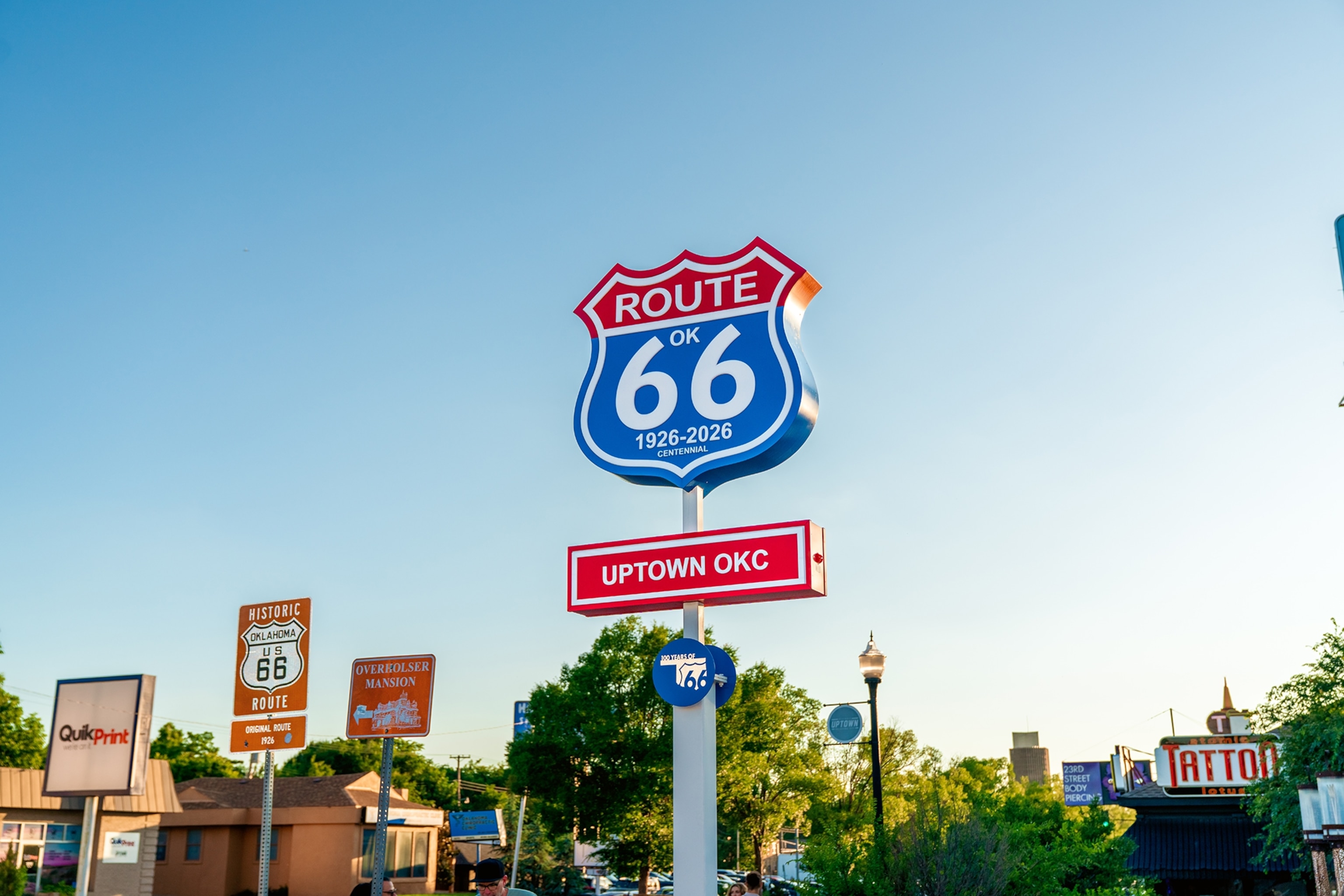
Complementing these historic giants is a surge of new, design-forward developments that respect the scale and spirit of the Mother Road. In the Uptown 23rd District, historic buildings are being repurposed into boutique hotels and artisanal markets, maintaining the original brickwork and character while introducing sleek, industrial interiors. This architectural synergy creates a unique “streetscape” where a traveler can grab a coffee in a repurposed 1920s gas station before heading to a high-concept art space housed in a former warehouse. It is a thoughtful approach to urban planning that prioritizes the “texture” of the road, ensuring that the legendary Route 66 identity isn’t lost to generic modernization.
A City Drenched in Public Art
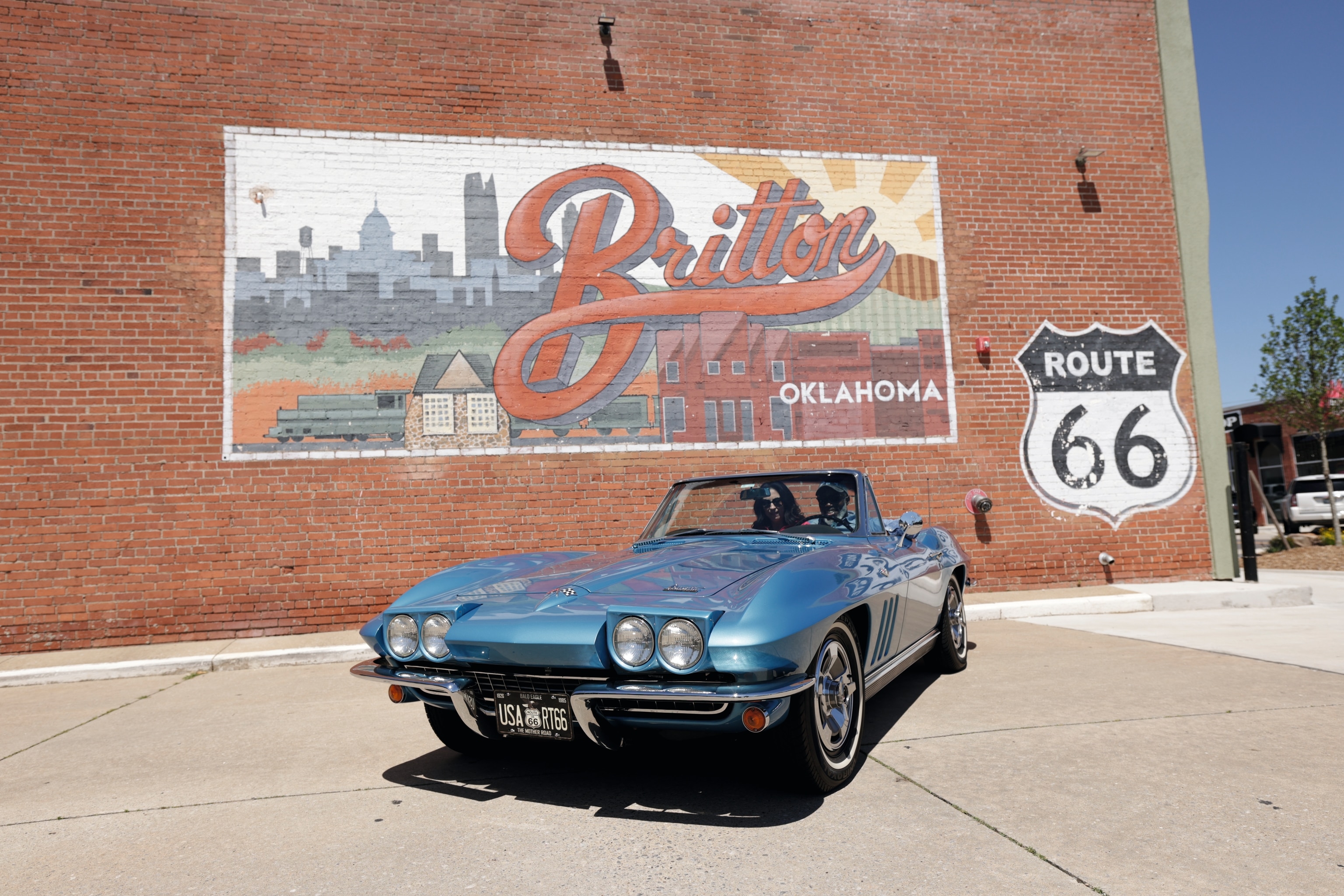
Perhaps the most visible sign of Oklahoma City’s creative awakening is the explosion of public art that lines the Route 66 corridor. What was once a series of blank concrete walls has been transformed into a sprawling, outdoor museum. Murals by local and international artists now dominate the landscape, ranging from hyper-realistic portraits to abstract explosions of color that reflect the city’s diverse heritage and Western roots. The Plaza District and the Paseo Arts District have become the epicenters of this movement, fostering a community where art is not confined to galleries but is accessible to anyone with a set of wheels and a sense of curiosity.
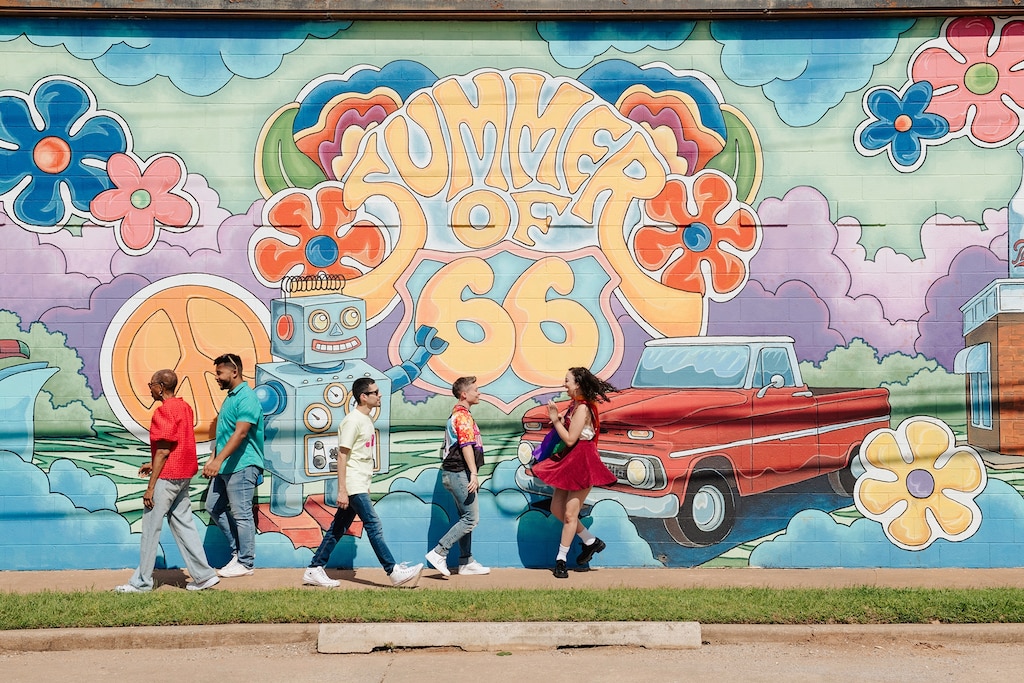
This commitment to public art serves a dual purpose: it beautifies the transit experience and acts as a powerful tool for storytelling. Many of the murals along the OKC stretch pay homage to the Native American tribes that have shaped the region’s history, as well as the pioneers and dreamers who navigated the Mother Road during the Great Depression. By turning the city’s infrastructure into a canvas, Oklahoma City has created a “visual playlist” for the drive, where every turn offers a new perspective on the American identity. It is an immersive experience that encourages travelers to slow down, park the car, and engage with the environment on a human scale.
Culinary Craft and the Modern Roadhouse
No journey along Route 66 is complete without the classic roadside dining experience, but Oklahoma City is redefining what the “roadhouse” can be. While the legendary soda pops and onion burgers remain a staple of the Oklahoma diet, a new generation of chefs is bringing a sophisticated, farm-to-table ethos to the Mother Road. Distilleries and breweries have taken over historic garages, serving craft spirits infused with local botanicals. Restaurants are blending Southern comfort with global influences, creating a culinary landscape that is as eclectic as the art on the walls. The focus here is on “craft”—whether it’s a hand-poured latte, a small-batch bourbon, or a meticulously plated dish of bison ribeye.
This culinary evolution is deeply rooted in the concept of community. These modern eateries often function as social hubs, featuring communal tables, outdoor patios, and stages for local musicians. They capture the spirit of the original Route 66 “stopping places,” where people from all walks of life would gather to share stories of the road. In OKC, the act of eating is an extension of the creative journey; the interior design of these restaurants often features local woodwork and repurposed neon, blurring the lines between a meal and an art installation. It is a sensory feast that nourishes the traveler and provides a true taste of Oklahoma’s contemporary spirit.
The Future of the Mother Road
As Oklahoma City looks toward the 100th anniversary of Route 66 in 2026, the momentum of its creative revival shows no signs of slowing down. The city is investing heavily in “streetscape” improvements, adding pedestrian-friendly walkways, improved lighting, and interactive digital kiosks that tell the story of the road. These initiatives are designed to make the Route 66 experience more sustainable and accessible, ensuring that the road remains a viable destination for future generations. The goal is to create a seamless blend of heritage tourism and modern lifestyle, where the history of the road serves as a foundation for a thriving, innovative city.

Ultimately, the allure of Route 66 in Oklahoma City lies in its ability to inspire. It is a place where the “open road” is not just a metaphor for freedom, but a tangible invitation to create. By investing in its artists, preserving its architecture, and celebrating its unique culinary voice, OKC has turned its segment of the Mother Road into a beacon of American ingenuity. For those who choose to drive this historic path, the message is clear: the most interesting part of the journey isn’t just where you’ve been, but how the road changes you along the way. In Oklahoma City, the neon is brighter, the walls are louder, and the spirit of the road is more alive than ever.