Shanghai has long been defined by its soaring Lujiazui skyline and the colonial grandeur of the Bund, but a new movement is stirring beneath the shadows of its skyscrapers. Today, a generation of creative youth is turning away from the high-octane corporate grind to rediscover the city’s soulful, historic neighborhoods. From the leafy corridors of the Former French Concession to the revitalized industrial warehouses of the Suzhou Creek, the “Modu” (Magic City) is undergoing a cultural metamorphosis. This isn’t just a trend; it is a profound reclaiming of urban space where independent coffee shops, niche fashion ateliers, and grassroots art collectives are flourishing. As young Shanghainese prioritize “chill” culture over “hustle” culture, they are weaving a new narrative for China’s most international metropolis—one that values community, heritage, and the art of slow living in a city that never stops.
The Renaissance of the “Li-Long” Life
For decades, the architectural narrative of Shanghai was one of demolition and vertical expansion. However, the current youth movement is finding its heart in the lilong—the traditional lane houses that once formed the backbone of local life. Rather than moving into sterile glass towers, young entrepreneurs are breathing life into these weathered brick alleys. In neighborhoods like Jing’an and Xuhui, you will find minimalist “hole-in-the-wall” espresso bars tucked between fruit stalls and elderly residents hanging laundry. This proximity of the old and the new creates a unique friction; it is a place where a twenty-something digital artist shares a doorstep with a grandmother who has lived there since the 1950s.
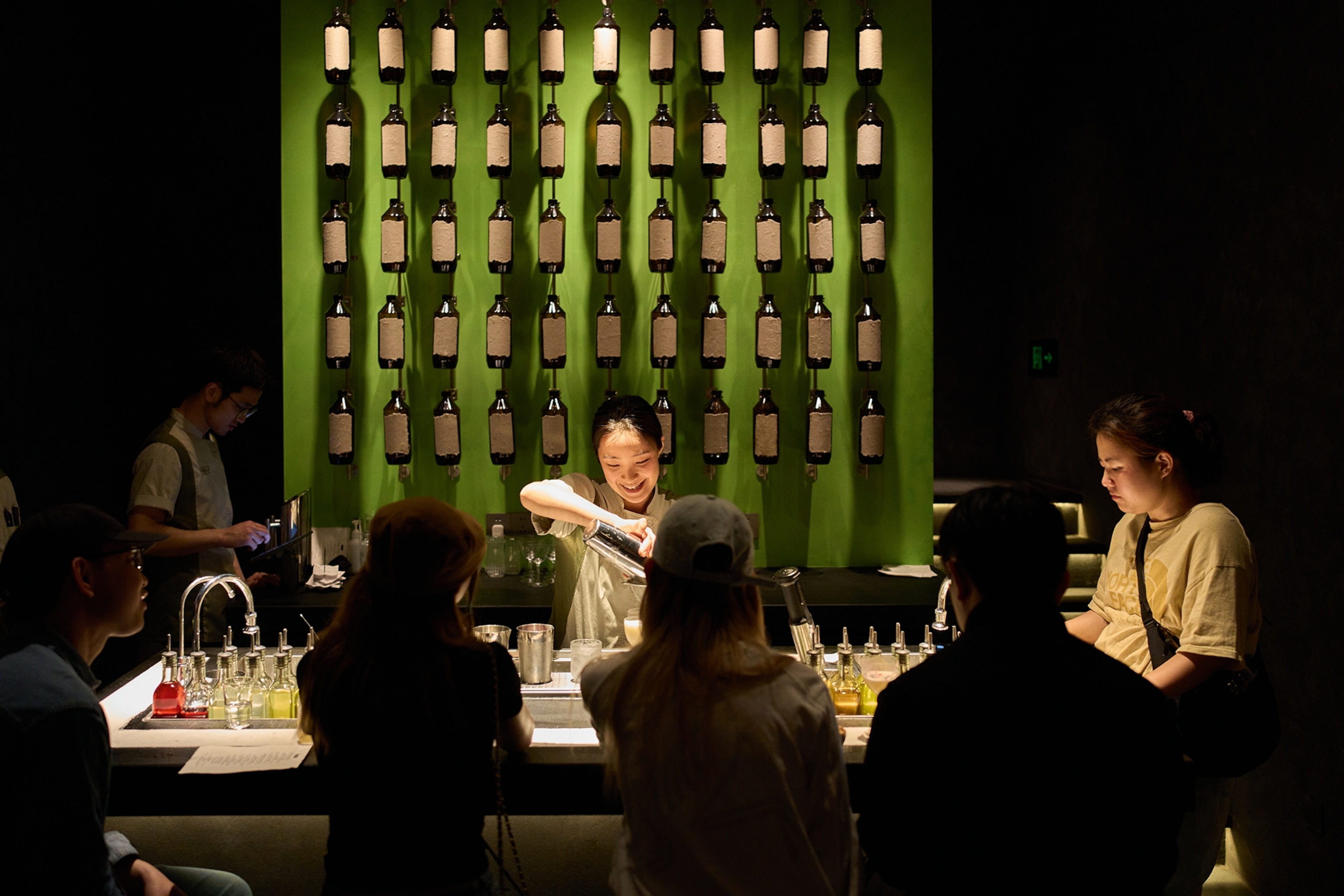
This shift represents a desire for “groundedness” in an increasingly digital world. These renovated spaces are rarely flashy; they favor raw concrete, exposed timber, and local materials. By choosing to set up shops in residential lanes, the youth are unintentionally acting as preservationists. They are proving that these historic structures are not relics to be razed, but flexible vessels for modern creativity. This “lane culture” fosters a sense of intimacy and spontaneity that is impossible to replicate in a mega-mall, turning a simple afternoon walk into a discovery of hidden galleries and clandestine vinyl bars.
The Rise of the “City Walk” Phenomenon
The term “City Walk” has become a viral sensation among Shanghai’s Gen Z, signaling a rejection of traditional, checklist-style tourism in favor of aimless, atmospheric exploration. It is a slow-motion rebellion against the efficiency-driven lifestyle of the “996” work culture (working 9 a.m. to 9 p.m., six days a week). On any given weekend, the streets of Wukang Road and Anfu Road are crowded not with tour groups, but with stylish individuals capturing the “vibe” of the city. These walks are about the details: the way the sunlight filters through the plane trees, the scent of a boutique perfumery, or the architectural curve of an Art Deco balcony.

This aesthetic-driven exploration has turned certain streets into open-air runways and social hubs. Anfu Road, in particular, has become the epicenter of this movement, often referred to as the most “instagrammable” street in China. Here, the boundary between the sidewalk and the storefront disappears, as cafes spill out onto the pavement and locals walk their dogs alongside fashion influencers. While critics sometimes dismiss this as superficial “check-in” culture, it has fundamentally changed how the city is used. It has transformed the street into a democratic stage for self-expression, where the act of walking becomes a form of performance art.
Crafting a New Creative Economy
Beyond the aesthetics of the “City Walk,” a robust independent economy is taking root. Shanghai is currently witnessing an explosion of “niche” industries that cater to highly specific tastes. From artisanal bakeries specializing in sourdough to independent magazines and “zines” that document local subcultures, the city’s youth are building their own ecosystems. This is a departure from the mass-production model of the past; here, the focus is on craftsmanship, limited runs, and personal storytelling. Many of these creators are returnees from overseas who are bringing global sensibilities back to their home soil, blending international trends with a distinctly Shanghainese “haipai” (East-meets-West) identity.
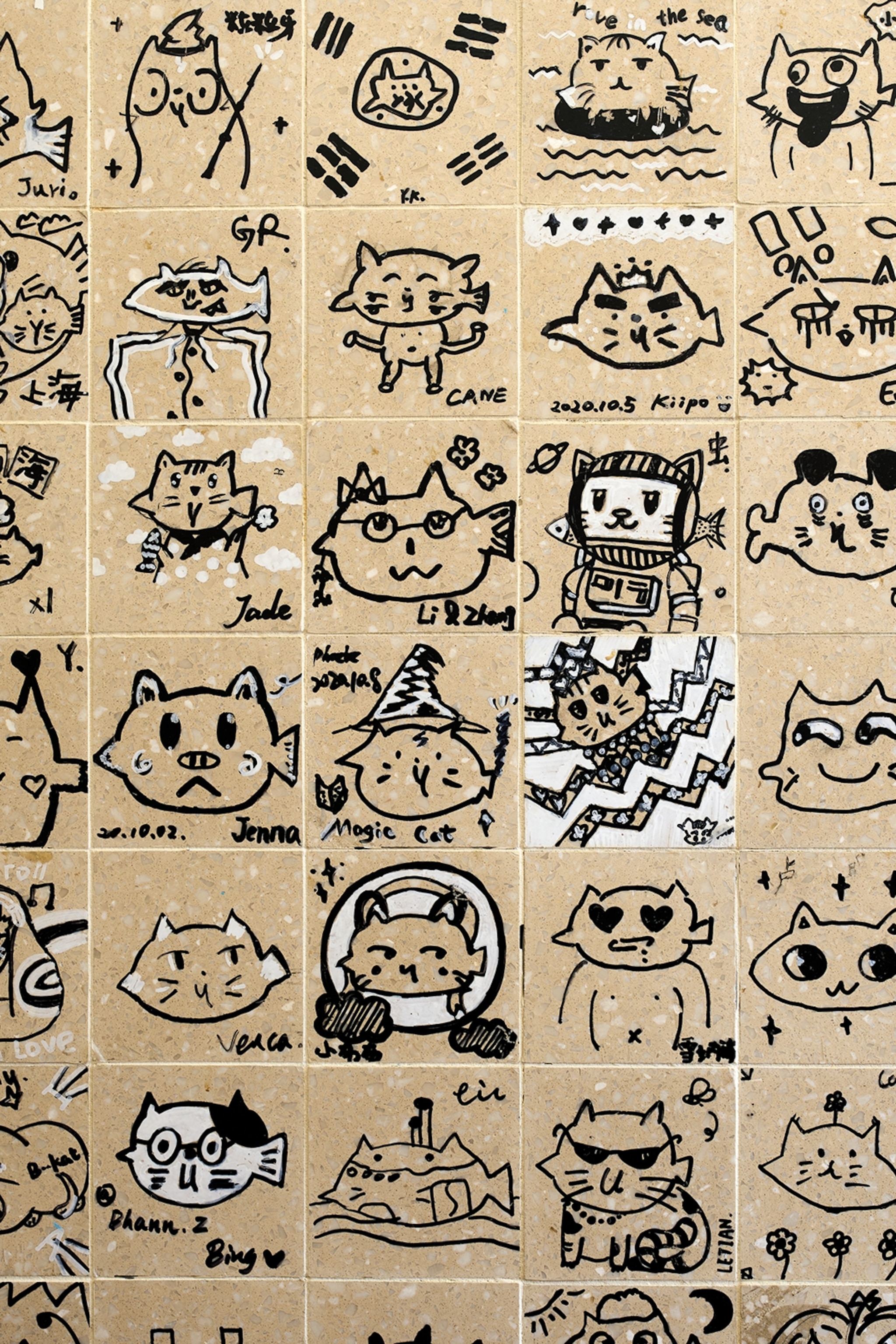
This creative energy is also revitalizing the city’s industrial fringes. Along the banks of Suzhou Creek, former flour mills and garment factories have been transformed into art hubs like M50. These spaces provide the physical room that the cramped city center cannot, allowing for large-scale installations and underground club nights. The creative economy here is collaborative rather than competitive. It is common to see a fashion label collaborating with a neighboring coffee roaster for a pop-up event, creating a web of mutual support that strengthens the community’s resilience against the city’s high commercial rents.
A Future Built on “Chill” and Community
The most significant shift in Shanghai’s youth culture is perhaps the most intangible: a change in mindset. The new buzzword is songchi gan, which translates roughly to “a sense of relaxation” or “chill.” After years of intense academic and professional pressure, young people are seeking spaces that allow them to simply be. This is reflected in the rise of community-centric spaces where the goal isn’t just to consume, but to connect. Whether it’s a community garden in a repurposed parking lot or a “pet-friendly” cafe that hosts adoption days, the focus is shifting from individual success to collective well-being.
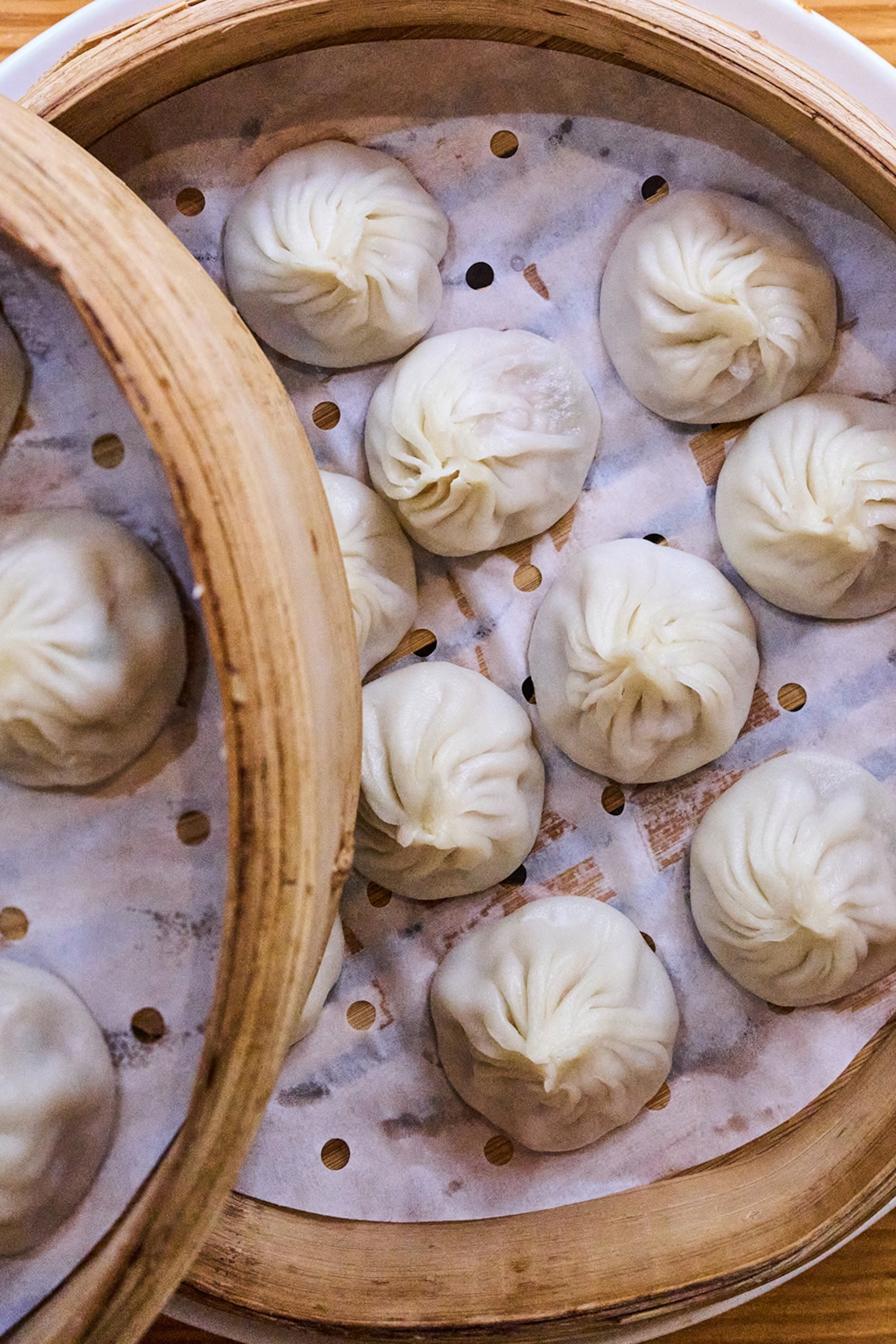
As Shanghai continues to evolve, this youth-led cultural shift is providing a blueprint for the future of the Chinese city. It suggests that the ultimate luxury in a hyper-modern metropolis isn’t the height of a building or the speed of a train, but the quality of the “human-scale” experience. By reclaiming the alleys, walking the streets, and building independent communities, the youth of Shanghai are ensuring that their city remains a “Magic City”—not because of its neon lights, but because of the vibrant, unpredictable life happening at eye level. The “Modu” is no longer just a backdrop for business; it is a canvas for a generation that is finally learning to breathe.