Nestled along the Duero River, the Ribera del Duero Designation of Origin (DO) in the province of Burgos, Spain, is rapidly emerging from the shadow of its flashier neighbor, Rioja. This region, characterized by ancient hilltop castles and a winemaking tradition stretching back over 2,000 years, offers a profound blend of history and hedonism. Recent coverage from The Guardian has shone a spotlight on its unique attractions: from a “wine cathedral” designed by Norman Foster to labyrinthine, Hobbit-style cellars carved into hillsides. The star of this region is the Tempranillo grape (known locally as Tinta del País or Tinto Fino), which produces robust, concentrated red wines. A tour here is less a simple tasting and more an immersive cultural pilgrimage where the local gastronomy—particularly the slow-roasted suckling lamb, lechazo—is as revered as the complex wines aging in its underground caves.
The terroir of burgos: Where vines meet ancient stone
The Ribera del Duero DO stretches for 71 miles, following the Duero River, and the section that runs through Burgos province is particularly rich in both viticulture and architectural history. The region’s geography—marked by high-altitude vineyards, extreme diurnal temperature variations, and complex clay, limestone, and sandy soils—is crucial to the quality of its flagship red wines.
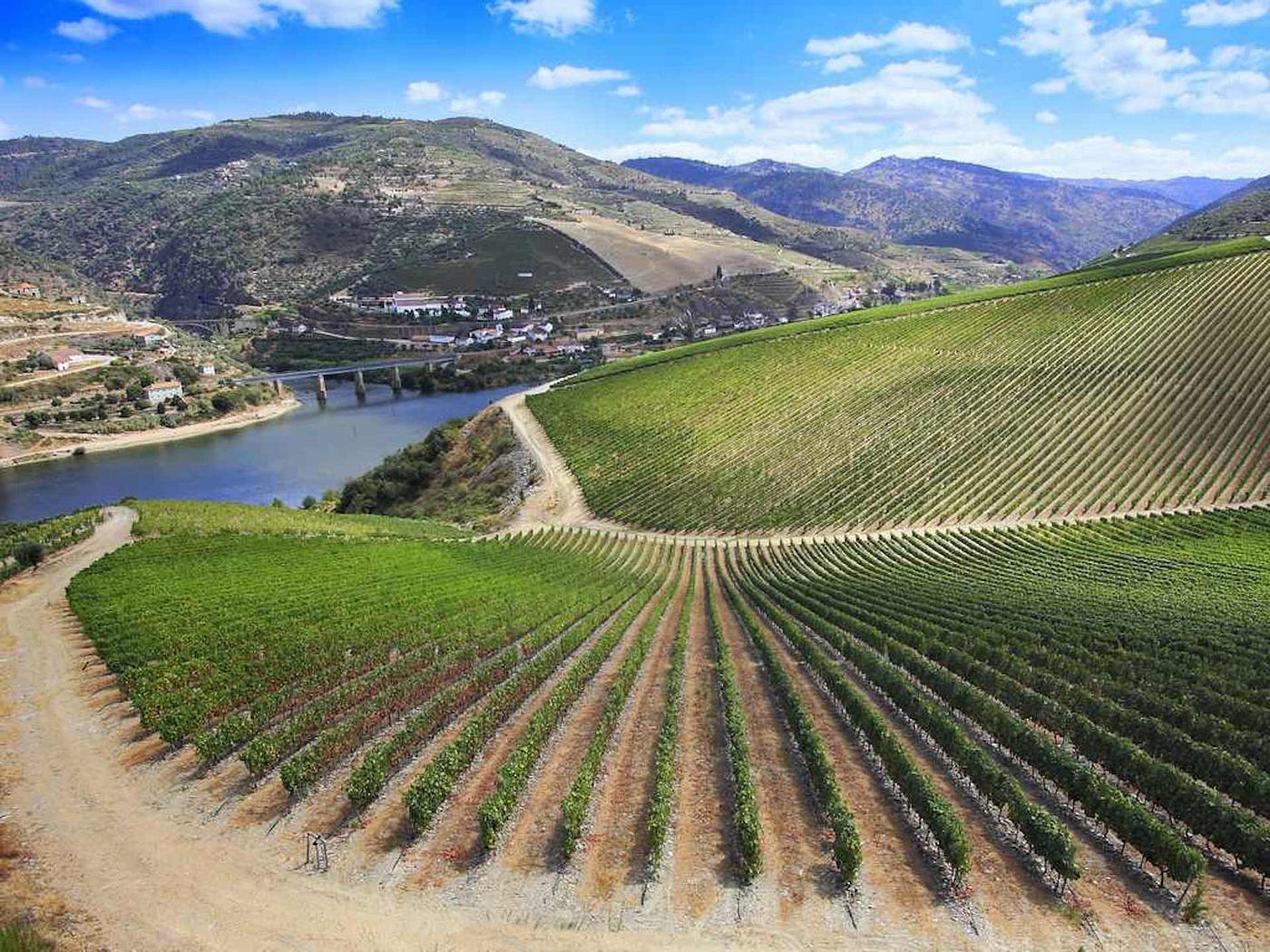
The Tempranillo grape dominates, covering approximately 95% of the vineyards. The combination of old vines with deep roots and younger vines provides a blend of complexity and juicy fruitiness, resulting in structured, aromatic, and deeply-colored reds that are highly prized globally. Wine tours in the area emphasize this terroir, often including walks through the vineyards to demonstrate how the harsh, windy conditions and high elevation shape the final product. The wine culture here is woven into the very fabric of the medieval landscape.
Cellars and cathedrals: Architecture of wine
What sets Ribera del Duero apart is the remarkable way its winemaking is integrated with its built environment, offering unique architectural experiences for visitors. The region masterfully merges cutting-edge modern design with ancient, subterranean traditions.
At one end of the spectrum is Bodegas Portia, a striking, star-shaped winery designed by the renowned architect Norman Foster. Often referred to as a “wine cathedral,” the facility is a testament to modern winemaking efficiency and style. Conversely, numerous villages hold onto a profound, underground heritage. Towns like Moradillo de Roa, which has nearly as many cellars (157) as it has residents (162), boast vast networks of traditional, hand-dug bodegas (wine cellars). These labyrinthine tunnels, some dating back to the 16th century, provide naturally cool and stable conditions for aging wine and are a fascinating glimpse into the region’s historical commitment to viticulture.
The gourmet parallel: Lechazo and local tapas
No visit to Ribera del Duero is complete without indulging in the fiercely proud local cuisine, which is intrinsically linked to the wine. The regional gastronomy is simple, rustic, and focused on quality ingredients, with one dish standing above the rest: lechazo.

Lechazo asado, or slow-roasted suckling lamb, is the area’s undisputed specialty. The tender, milky lamb is traditionally cooked in a wood-fired clay oven, often at a local asador (roast house), and is considered the perfect, rich pairing for the region’s robust Tempranillo reds. The simple preparation allows the quality of the meat to shine through. Beyond this main course, the larger towns like Aranda de Duero and nearby Valladolid offer a vibrant tapas scene. As dusk settles, the sleepy town squares transform, with bars switching from serving coffee to pouring local wine, creating a lively atmosphere where locals and visitors share small plates and toast with a traditional porrón (a glass wine pitcher that encourages non-contact communal drinking).
Travel and exploration: Beyond the tasting room
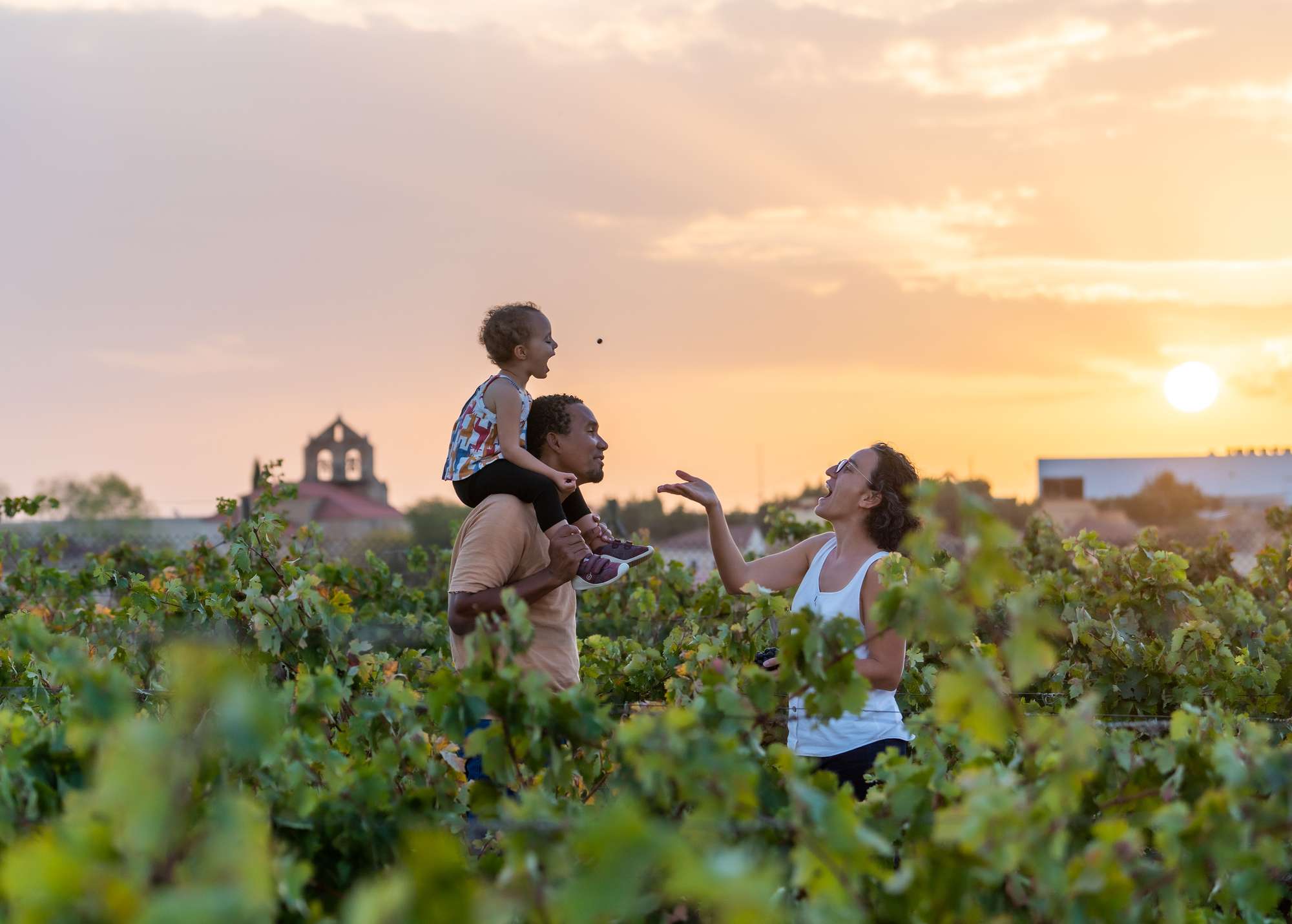
The Ribera del Duero Wine Route is well-organized, guiding visitors through a plethora of activities that extend past basic cellar tours and tastings. The region’s rich medieval history provides numerous complementary attractions for day trips along the Duero River.
Hilltop villages like Haza and Peñaranda de Duero feature well-preserved Gothic castles and fortresses, offering incredible vantage points over the vine-covered valleys—a picturesque backdrop for any wine holiday. Visitors can also explore religious landmarks, such as the 12th-century Monastery of Santa María de La Vid, which houses a library and museum. For the adventurous, the Duero River and its surrounding canyons offer opportunities for kayaking or scenic walking trails that pass directly through the heart of the vineyards. This seamless blend of oenology, history, and outdoor activity ensures that a tour of the Burgos section of Ribera del Duero provides a deeply satisfying and diverse travel experience.