The history of popular music is inextricably linked to the collective power of the female voice. From the synchronized poise of the 1960s to the fierce individualism of the 2020s, girl groups have served as more than just hit-making machines; they have been cultural barometers, fashion pioneers, and symbols of social progress. Whether it was the street-smart R&B of TLC, the regal precision of Destiny’s Child, or the global dominance of BLACKPINK, these ensembles have consistently redefined the “Girl Power” mantra for new generations. Beyond the catchy hooks and choreographed routines lies a complex legacy of business acumen, artistic struggle, and the enduring strength of sisterhood. As the music industry continues to evolve in the digital age, we look back at the definitive eras and legendary acts that paved the way for the current explosion of global girl groups, proving that the magic of the harmony is as potent today as it was in the halls of Motown.
The Motown Blueprint and the Golden Age of Glamour
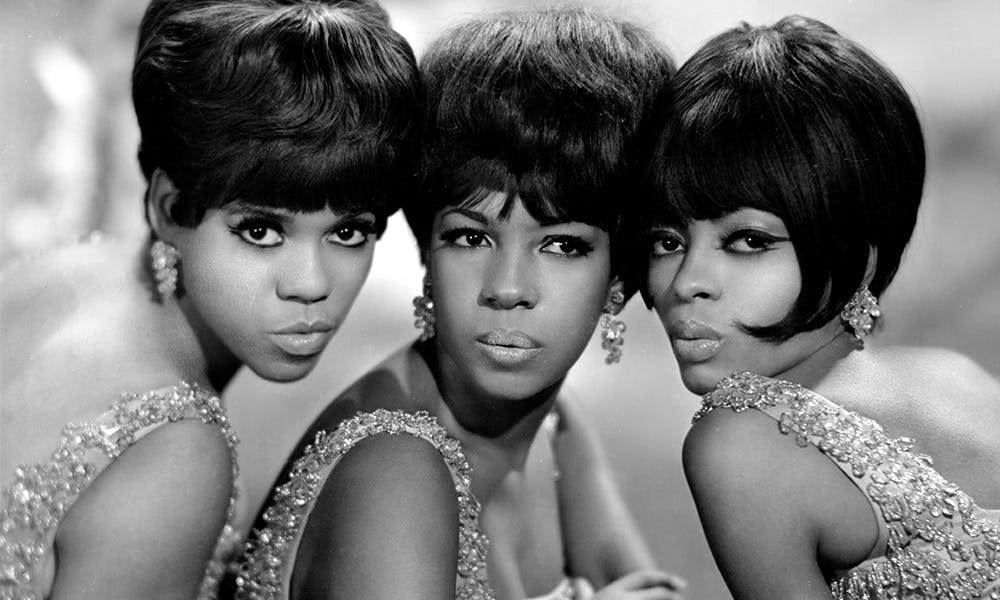
The modern girl group as we know it was born in the 1960s, a decade where image was just as important as the vocal arrangement. Under the watchful eye of Berry Gordy at Motown, groups like The Supremes transformed from local Detroit talent into international icons of elegance and sophisticated soul. Led by the ethereal Diana Ross, The Supremes were a masterclass in branding; their matching sequined gowns and high-fashion aesthetics were designed to transcend racial barriers and dominate the mainstream pop charts. This era was defined by “The Motown Charm School,” where members were coached in everything from posture to interview etiquette, ensuring that the group functioned as a polished, singular unit.
However, the 1960s also possessed a grittier, more rebellious side of the girl group phenomenon. The Ronettes, fronted by the magnetic Ronnie Spector, brought a tougher, street-influenced edge to the genre with their sky-high beehives and thick eyeliner. Working with producer Phil Spector and his “Wall of Sound,” they released hits like “Be My Baby” that possessed a raw emotional depth, contrasting with the more refined sound of their Motown counterparts. This “Golden Age” established the foundational tropes of the genre: the lead singer dynamic, the importance of visual cohesion, and the power of the vocal harmony to convey universal themes of love, longing, and adolescent identity.
The 90s Revolution: R&B, Realism, and the Rise of TLC
If the 60s were about polished perfection, the 1990s were about raw authenticity and the fusion of R&B with hip-hop culture. No group encapsulated this shift more effectively than TLC. Comprising T-Boz, Left Eye, and Chilli, the Atlanta-based trio abandoned the matching dresses of the past in favor of oversized baggy pants, condoms pinned to their clothes as a statement on safe sex, and a “tomboy” aesthetic that was revolutionary for the time. Their landmark album CrazySexyCool didn’t just sell millions; it addressed social issues like HIV/AIDS and self-esteem through songs like “Waterfalls” and “Unpretty,” proving that girl groups could be a vehicle for serious cultural conversation.

While TLC dominated the charts with their unique blend of rap and soul, groups like En Vogue and SWV focused on the “Vocal” in vocal group. En Vogue, often called the “Real Divas,” brought a sophisticated, high-fashion R&B sound that prioritized intricate four-part harmonies and a powerful, “grown-up” feminine energy. This era marked a significant departure from the manufactured feel of previous decades; the artists were increasingly involved in their songwriting and creative direction. The success of these 90s pioneers laid the groundwork for the R&B explosion that would follow at the turn of the millennium, transitioning the girl group from a pop novelty into a powerhouse of musical credibility.
Destiny’s Child and the Architecture of the Modern Empress
As the 90s faded into the early 2000s, Destiny’s Child emerged as the definitive group of the new millennium. While they began as a quartet in Houston, the group eventually evolved into the powerhouse trio of Beyoncé Knowles, Kelly Rowland, and Michelle Williams. Their sound—a hyper-kinetic, staccato R&B characterized by rapid-fire vocal deliveries and complex harmonies—became the blueprint for 21st-century pop. Tracks like “Say My Name,” “Independent Women Part I,” and “Survivor” didn’t just top the charts; they became anthems for a generation of women embracing financial and emotional independence.

Destiny’s Child also redefined the business of the girl group. Under the management of Mathew Knowles and the styling of Tina Knowles, the group was a meticulously run enterprise that leveraged fashion and personal branding to an unprecedented degree. Their “matching but different” outfits became a signature, allowing individual personalities to shine while maintaining a cohesive brand identity. Even as individual members, most notably Beyoncé, began to explore solo horizons, the group’s legacy remained untarnished. They proved that a girl group could be a launchpad for superstardom while simultaneously standing as a monumental cultural institution in its own right.
The Spice Girls and the Commercial Explosion of “Girl Power”
While American R&B groups were focusing on soul and technical prowess, a five-member phenomenon from the United Kingdom was busy conquering the globe through pure pop spectacle. The Spice Girls—Posh, Scary, Baby, Sporty, and Ginger—didn’t just sell records; they sold a philosophy. Their “Girl Power” manifesto was a brilliant marketing masterstroke that empowered millions of young fans, even as it made the group the most commercially successful female ensemble in history. By assigning each member a distinct, easily identifiable persona, they allowed every fan to see themselves reflected in the group, a strategy that has since been adopted by almost every successful pop act.

The Spice Girls’ impact was felt far beyond the music charts. They represented a new kind of celebrity—one that was loud, unapologetic, and fiercely British. Their influence on the fashion world was seismic, from platform sneakers to Union Jack dresses, and they proved that a girl group could successfully navigate a massive array of commercial tie-ins, from films to soft drinks, without losing their core appeal. Although their initial run was relatively short, the “Spice Mania” of the late 90s fundamentally changed the expectations for girl groups, shifting the focus toward global marketability and the power of a clearly defined, diverse group personality.
The New Frontier: K-Pop and the Global Collective
In the modern era, the center of the girl group universe has shifted eastward, with South Korea’s K-pop industry perfecting and expanding the genre’s potential. Groups like BLACKPINK and NewJeans have taken the foundations laid by their predecessors and amplified them through high-production music videos, intricate choreography, and a digital-first approach to fandom. BLACKPINK, in particular, has achieved a level of global ubiquity that rivals the biggest Western acts, headlining Coachella and collaborating with top-tier American stars. Their “Girl Crush” concept—a blend of fierce confidence and high-fashion luxury—has become the new standard for aspirational pop.

What distinguishes the current era is the sheer scale and technical precision of the groups. K-pop “idols” undergo years of rigorous training in dance, vocals, and linguistics before their debut, resulting in performances that are flawlessly executed. Furthermore, the rise of “global girl groups” like Katseye or India’s W.i.S.H. highlights a new trend of hybridization, where Western and Eastern training methods and aesthetics are combined to create acts with universal appeal. Today’s groups are no longer just singers; they are global brand ambassadors, social media moguls, and the faces of a truly borderless pop culture.
Individualism Within the Harmony: The Future of the Brand
As we look toward the future of the girl group, the most significant shift is the move away from the “factory line” uniformity of the past. Modern groups increasingly prioritize the individual “voices” of their members—both sonically and visually. In 2025, we see groups like FLO or the members of Le Sserafim emphasizing their unique backgrounds and personal styles, moving away from identical costumes toward a shared “vibe” that allows for personal expression. This evolution mirrors the broader cultural shift toward authenticity; fans today are not just looking for a catchy song, but a genuine connection to the people behind the microphone.
The enduring appeal of the girl group lies in its ability to offer a sense of belonging and collective strength. In a world that often feels fragmented, the sight and sound of women working in harmony remains a powerful and necessary image. Whether through the lens of nostalgia for the 90s R&B golden age or the excitement of the latest K-pop debut, the girl group continues to be a vital, vibrant part of our musical history. As long as there are stories to be told about sisterhood, resilience, and the joy of a perfectly placed harmony, the girl group will continue to march—and sing—at the forefront of the global stage.