At the very edges of our maps, where the Mercator projection stretches into infinity, lie two outposts that redefine the human capacity for adaptation. Longyearbyen, Norway, and Puerto Williams, Chile, represent the final terrestrial frontiers before the desolate expanses of the North and South Poles take over. These are places where the sun is either a relentless stranger or an absent friend, where the landscape dictates the terms of survival, and where “normal life” involves a constant negotiation with the elements. As global tourism pushes further into the fringes, these polar bookends have evolved from gritty industrial outposts into sophisticated cultural hubs. To visit them is to witness the sheer resilience of the human spirit and to stand at the literal ends of the Earth, where every sunrise and snowfall carries the weight of the extreme.
The High Arctic Fortress of Longyearbyen
Located on the Svalbard archipelago, Longyearbyen is a town where the polar bear population technically outnumbers the human residents. Originally established as a coal-mining hub, this Norwegian settlement at North has transformed into a world-class center for climate research and “last-chance” tourism. The town is a surreal mixture of rugged frontier life and Scandinavian chic; here, you must carry a rifle for protection when leaving the city limits, yet you can return to find a Michelin-recommended meal and a wine cellar containing thousands of rare vintages. The architecture is a colorful array of stilted wooden houses, designed to withstand the shifting permafrost that threatens to reclaim any permanent foundation.
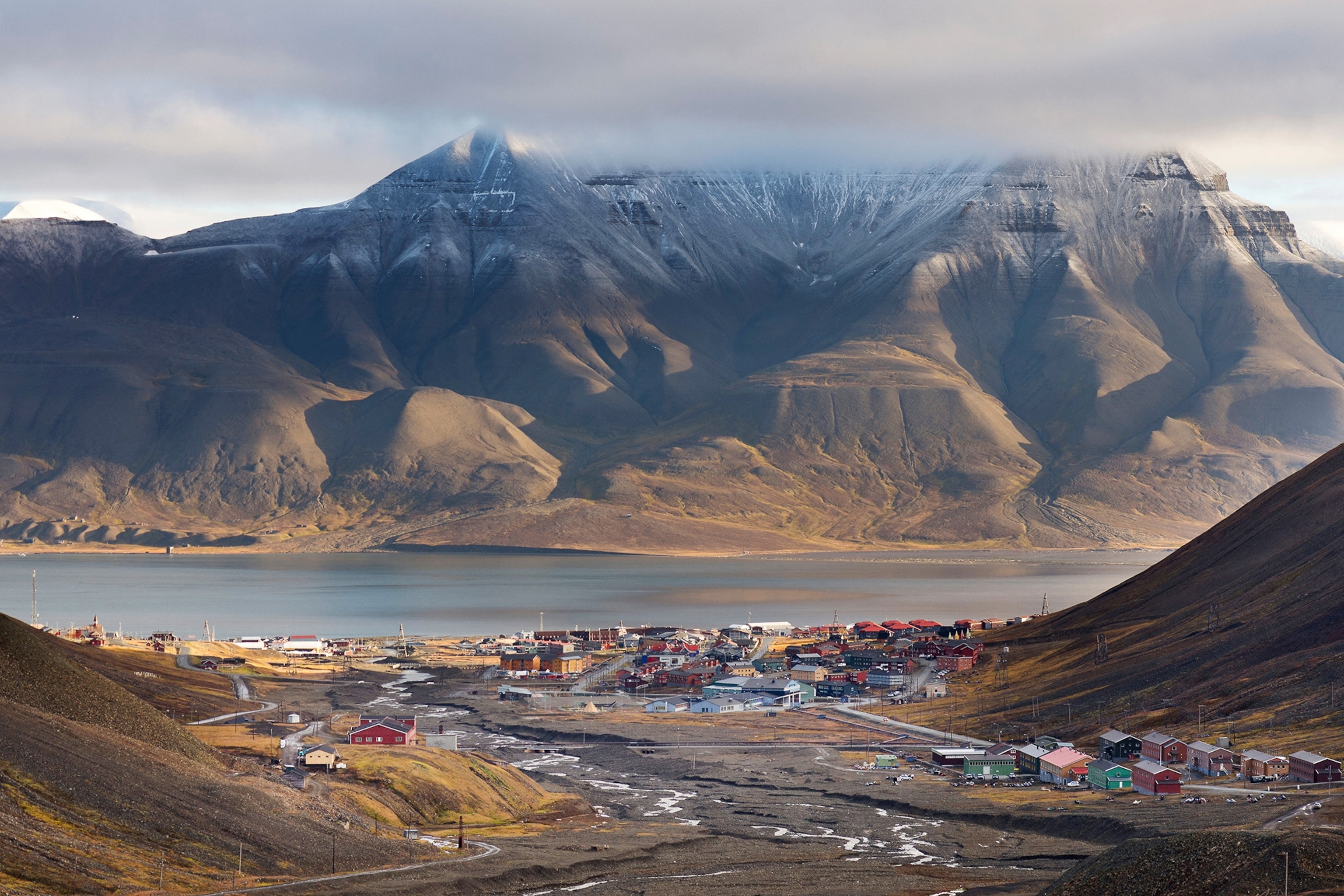
Life in Longyearbyen is dictated by the “Polar Night,” a four-month period of total darkness where the aurora borealis becomes the primary source of light. During this time, the community draws inward, fostering a culture of intense social cohesion and indoor festivities. Conversely, the “Midnight Sun” of summer brings 24-hour daylight, fueling a frantic energy for hiking, glacier trekking, and kayaking in the frigid fjords. It is a place of strictly enforced rules—no cats are allowed to protect birdlife, and you must take your shoes off when entering any building, a remnant of the town’s soot-covered mining past—reminding every visitor that they are guests in a fragile, unforgiving ecosystem.
The Chilean Gateway to the Great White South
For decades, the title of the “World’s Southernmost City” was a point of contention between Argentina’s Ushuaia and Chile’s Puerto Williams. However, a recent change in Chilean administrative status has officially handed the crown to Puerto Williams. Sitting at $54^{\circ}$ South on Navarino Island, this town feels markedly different from its bustling Argentinian neighbor. While Ushuaia is a neon-lit cruise port, Puerto Williams remains a quiet, wind-swept outpost defined by its proximity to the Dientes de Navarino mountain range. The air here is arguably the cleanest on the planet, swept fresh by the unrelenting gales of the “Furious Fifties” and the “Screaming Sixties” latitudes.
Puerto Williams serves as the primary gateway for scientific expeditions heading to Antarctica, but it is also a bastion of indigenous Yaghan culture. The community is deeply connected to the Beagle Channel, where the waters provide a bounty of King Crab—the local culinary staple. The town’s aesthetic is one of weathered corrugated metal and sturdy timber, built to survive the horizontal rain and sleet that can arrive in any season. To walk the streets of Puerto Williams is to feel the presence of the Southern Ocean; it is a frontier town in the truest sense, where the horizon represents not just a boundary, but the beginning of the most mysterious continent on Earth.
Science and Sovereignty at the Extremes
Both Longyearbyen and Puerto Williams serve as vital nerve centers for global science. In the North, the Global Seed Vault—built into a mountainside near Longyearbyen—acts as a “doomsday” insurance policy for the world’s agricultural biodiversity. The permafrost provides the natural refrigeration necessary to keep millions of seeds viable for centuries. This mission elevates the town from a mere settlement to a guardian of human civilization. In the South, Puerto Williams is increasingly becoming a hub for sub-Antarctic biocultural research, where scientists study the unique mosses, lichens, and marine life that can only be found in the pristine environments of Cape Horn.
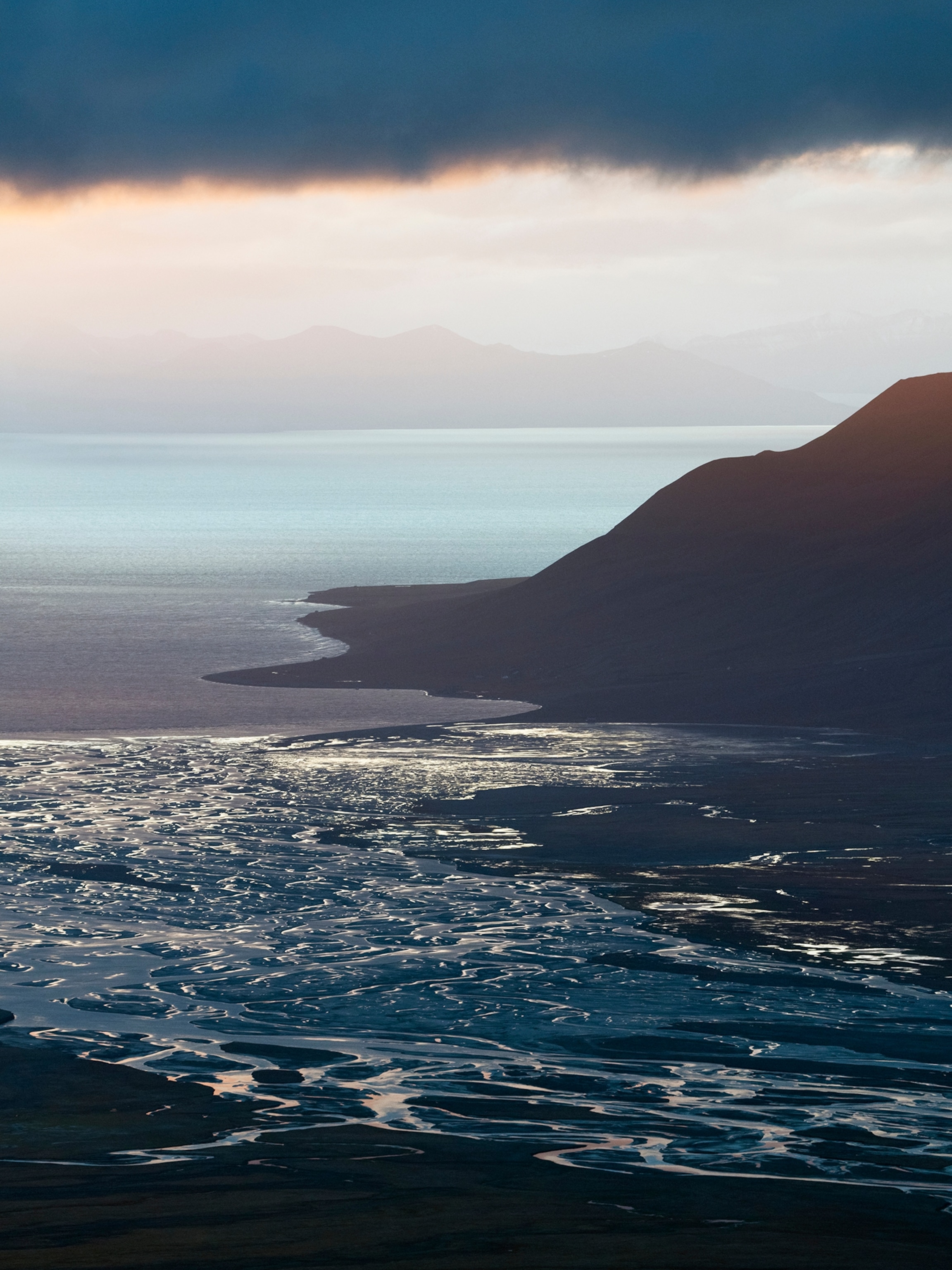
This scientific focus has brought a new demographic to these remote latitudes: a transient, international population of researchers and students. This influx of “intellectual tourism” has softened the rough edges of these former military and mining outposts. You are as likely to hear a lecture on glaciology as you are to hear a fisherman’s yarn. This shift has also brought a heightened awareness of climate change; at the poles, the warming of the planet is not an abstract theory but a daily reality witnessed in receding glaciers and thinning sea ice. These towns are the “canaries in the coal mine,” providing the data that will shape the environmental policies of the future.
The Psychological Lure of the Edge
What draws people to live at the absolute limit of the habitable world? The answer lies in the profound silence and the stark beauty of the “uncluttered” landscape. There is a psychological clarity that comes with living in a place where your survival depends on your neighbor and your respect for nature. Travelers who make the pilgrimage to these latitudes often speak of a “reset” of their internal compass. In Longyearbyen and Puerto Williams, the distractions of modern urban life—the traffic, the constant digital noise, the artificial pace—are replaced by the rhythmic cycles of the planet.
Ultimately, these northernmost and southernmost towns are more than just geographical trivia. They are monuments to human curiosity and our relentless desire to see what lies beyond the next ridge. Whether it is the blue ice of a Svalbard glacier or the jagged peaks of the Chilean Andes, the scenery at the ends of the world demands a specific type of reverence. As we move further into a century of environmental uncertainty, these outposts remind us of our place in the natural order. They are the bookends of our world, holding the story of humanity together in the face of the vast, beautiful, and indifferent polar wilderness.