Biscayne National Park, located just south of Miami, Florida, is a truly unique national park experience, characterized by the fact that over 95% of its 172,000 acres are submerged under water. It is a crucial sanctuary protecting the longest stretch of mangrove forest on Florida’s eastern coast, a significant portion of the northern Florida Keys, and the third-largest coral reef barrier in the world. Unlike traditional parks defined by mountains or forests, Biscayne’s beauty lies beneath the surface, offering unparalleled opportunities for snorkeling, diving, and boating. The park is a vibrant, fragile ecosystem that tells a fascinating story of marine ecology, cultural history, and the continuous battle between conservation and development on the vulnerable Florida coastline.
The Four Distinct Ecosystems
Biscayne’s biological richness is derived from the convergence of four distinct, yet interconnected, ecological zones that define the park’s structure.
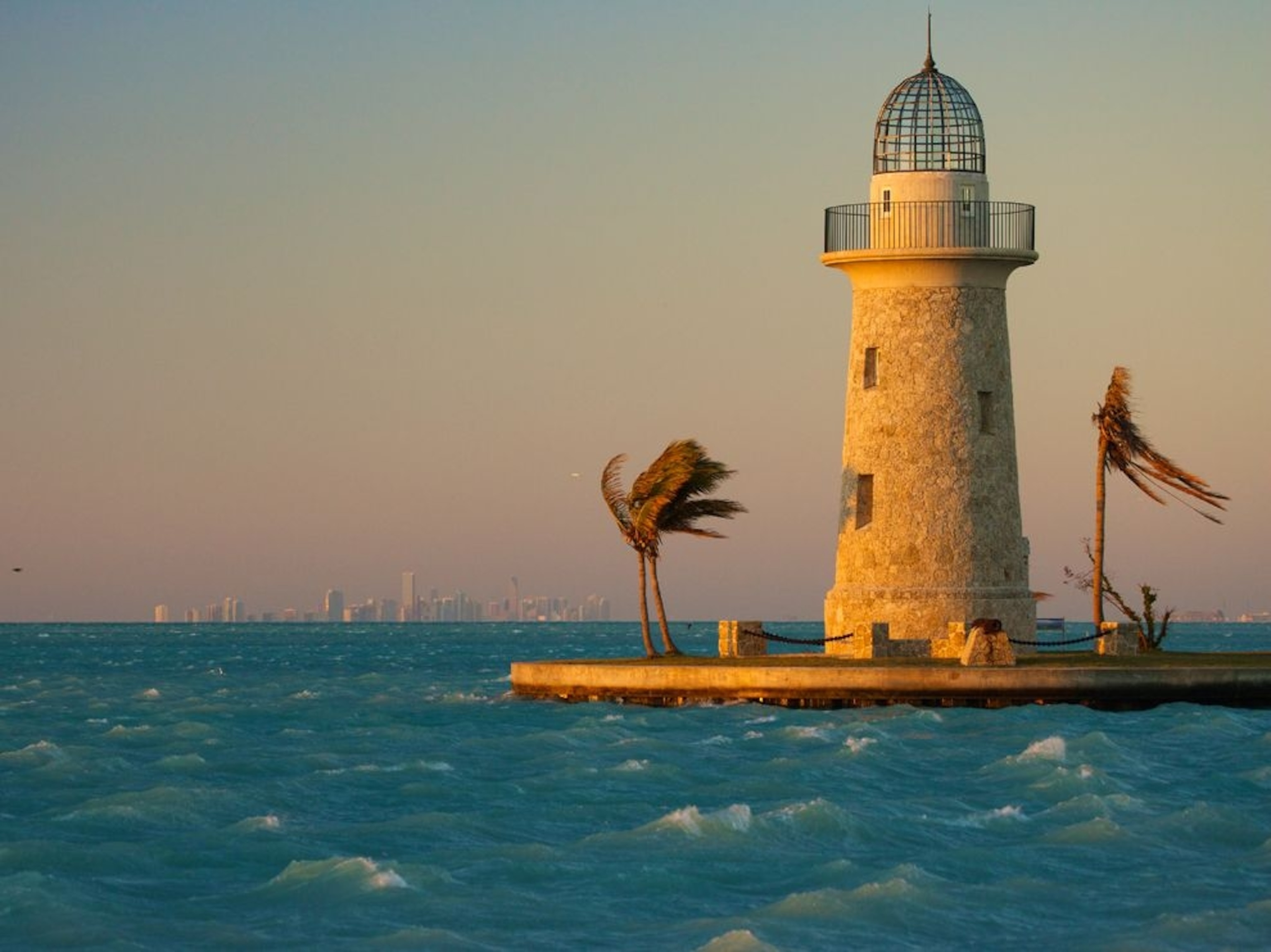
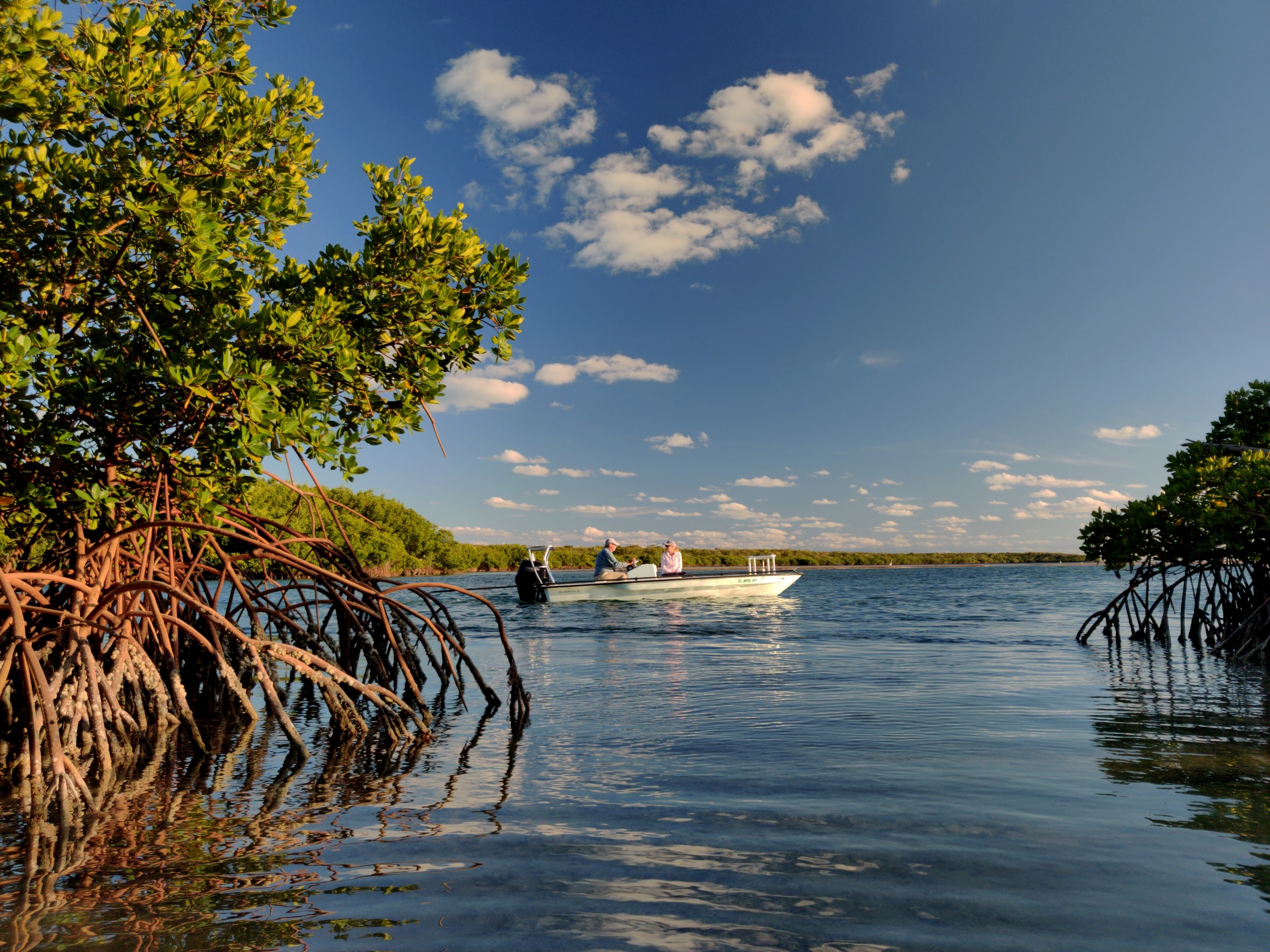
The park is fundamentally divided into four strips: the mainland mangrove forest, the shallow Biscayne Bay waters, the chain of Florida Keys islands, and the deep-water coral reefs offshore. The dense mangrove forest along the mainland coast acts as a vital nursery for juvenile fish and crustaceans, while stabilizing the shoreline and filtering pollutants. The shallow bay, with its seagrass beds, is a critical feeding ground for manatees and sea turtles. The Florida Keys—a chain of fossilized coral islands—serve as the crucial link between the bay and the offshore reef tract, hosting historical landmarks and offering dry land for visitors.
A Marine Sanctuary and Coral Reefs
The offshore reef tract within Biscayne National Park is a critical part of the third-largest coral barrier reef system in the world.
These vibrant reefs are teeming with life, providing habitats for hundreds of species of fish, sponges, and marine invertebrates. Popular dive and snorkel spots showcase hard corals, like brain and star coral, alongside colorful soft corals. However, the coral reefs in Biscayne, like others worldwide, face severe threats from climate change, ocean acidification, and disease. The park has implemented strict protections to safeguard this fragile ecosystem. Visitors are encouraged to explore the park’s underwater beauty with minimal impact, maintaining a safe distance from the delicate coral structures to aid in their long-term survival.
Cultural History: Shipwrecks and Pirates
Biscayne National Park offers more than just ecological wonders; its waters hold a fascinating and tangible record of maritime history.
The park is home to the Maritime Heritage Trail, a dedicated underwater museum showcasing a collection of six historic shipwrecks that span nearly a century of nautical history. These wrecks, including a 19th-century wooden schooner and a sunken luxury yacht, lie in relatively shallow water and are accessible to snorkelers and divers. They are vibrant artificial reefs, now colonized by colorful fish and corals, providing a unique blend of history and biology. This trail serves as a powerful reminder of the treacherous nature of the Florida Keys’ waters, once a haven for pirates and a graveyard for vessels navigating the busy trade routes.
Visitor Experience: Water-Based Exploration
Given that most of the park is under water, exploration is inherently water-based, requiring either a boat, kayak, or participation in guided tours.

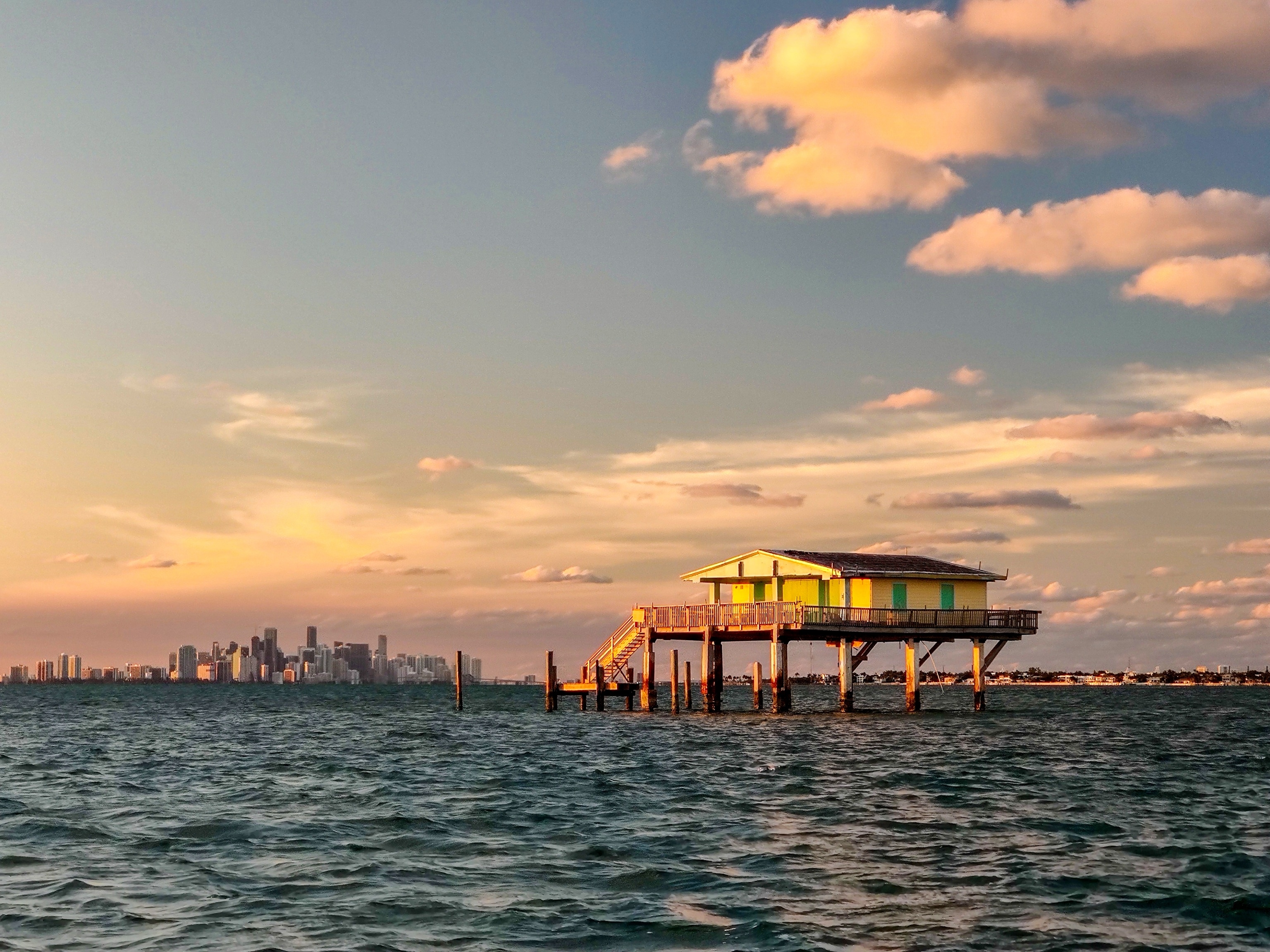
The main entry point is the Dante Fascell Visitor Center on the mainland, which offers exhibits, a short jetty walk, and is the departure point for most boat tours. Kayaking and canoeing are highly recommended methods for exploring the calm mangrove waterways and the shallow bay, offering a chance to quietly observe wading birds and manatees. The park concessionaire offers guided snorkel trips to the reef and excursions to the historic Stiltsville, a curious collection of seven wooden shacks built on pilings in the middle of Biscayne Bay. Due to the park’s vast marine environment, planning ahead for vessel transportation and appropriate gear is essential for a rewarding visit.