In the curated world of landscape design, we often select plants for their visual drama—seeking out the “neon” pinks, the oversized double blooms, and the variegated foliage that makes a garden “pop.” However, as 2026 brings a renewed focus on ecological health, a critical tension has come to light: what we find beautiful, pollinators often find baffling. According to research by cognitive ecologist Claire Hemingway in The Conversation, our preference for “cultivated” traits—like unusual colors and extra petals—frequently creates a sensory disconnect for the bees, butterflies, and hummingbirds we hope to attract. By prioritizing human aesthetics, we may be inadvertently designing “food deserts” that are visually stunning but functionally invisible to the very creatures that keep our ecosystems alive. Rebranding our gardens as functional habitats requires us to look beyond the surface and understand the ancient, ultraviolet language of floral attraction.
The Color Contrast Conundrum
Pollinators do not see the world through a human lens. While we admire a vibrant white or pink version of a typically red flower, a hummingbird may overlook it entirely. These birds have co-evolved to recognize bright red, tubular shapes as “honest signals” of high-energy nectar. When we plant cultivated “morphs” that deviate from these natural shades, we disrupt a million-year-old communication system. The white morph might be a masterpiece of human breeding, but to a hummingbird, it lacks the “neon sign” that says “food is here.”
Bees, meanwhile, operate in a spectrum that includes ultraviolet (UV) light—a range invisible to humans. Many wild flowers feature “bullseye” or “landing strip” patterns visible only in UV, which act as high-tech runway lights for foraging insects. Modern breeding for “aesthetic purity” or unusual petal colors often wipes out these essential UV guides. Even if a bee is attracted to a yellow rose, the absence of these hidden patterns can make the nectar source harder to find, forcing the insect to burn precious energy on a frustrating search.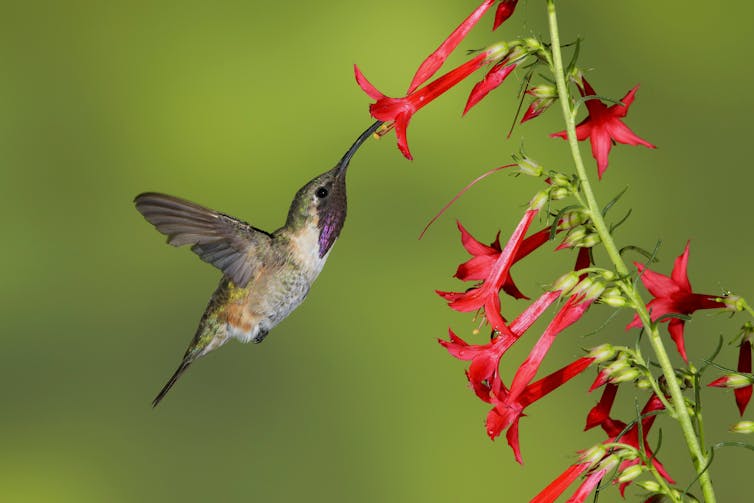
The Price of Petals: Double Blooms and Hidden Rewards
The trend toward “double-flowered” varieties—roses, peonies, and petunias bred to have extra layers of petals—is perhaps the most significant trade-off in modern gardening. While these blooms are visually lush and “expensive-looking,” they often come at a severe ecological cost. In many cases, these extra petals are actually modified reproductive parts. As the flower gains “petallage,” it often loses its ability to produce pollen or nectar entirely.
Even when double flowers remain fertile, the dense thicket of petals acts as a physical barrier. A bee or butterfly may land on the flower, sensing the reward, only to find the path to the nectar blocked by a labyrinth of “decorative” tissue. This “bait-and-switch” not only leaves the pollinator hungry but can also lead to fewer visits over time as the insects learn that these beautiful structures are unrewarding. For a truly pollinator-friendly garden, the “open-face” simplicity of a single-layered wild rose will always outperform the complex architecture of a hybrid tea.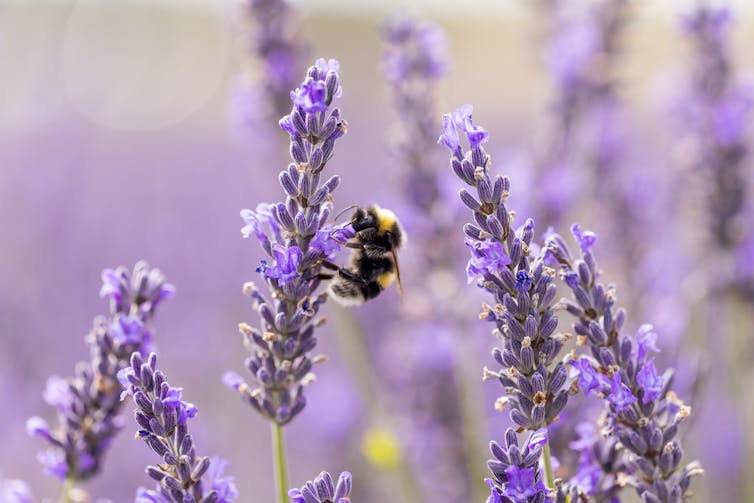
Scent vs. Sight: The Energetic Trade-off
Plants have a finite “energy budget” to spend on their floral displays. When breeders select for high-visibility traits—like massive flower heads or neon-bright hues—the plant often diverts energy away from other essential signals, such as scent. This explains why many of the most visually spectacular modern roses have little to no fragrance. For a nocturnal moth or a bee foraging in low light, scent is the primary long-distance signal; without it, the flower is effectively “muted” in the landscape.
Furthermore, the genetic changes required to alter a flower’s color can have unintended side effects on the chemistry of its nectar and pollen. Research into plant domestication suggests that cultivated varieties can have lower concentrations of essential nutrients and antimicrobial compounds compared to their wild relatives. By choosing the “aesthetic upgrade,” we may be offering pollinators a meal that is less nutritious and less protective against disease. This shift highlights the need for “nutritional transparency” in the plants we choose for our backyards.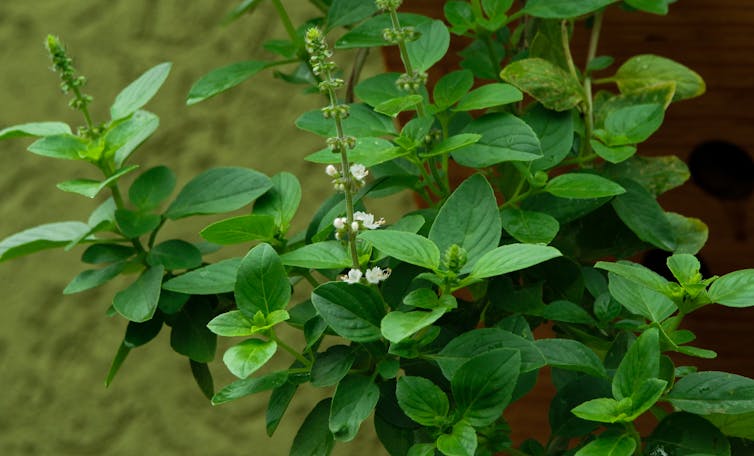
Designing for the “Pollinator Eye”
To bridge the gap between aesthetics and ecology, the 2026 gardener must learn to design with “biophilic intention.” This involves prioritizing native perennials, which have co-evolved with local insect populations to provide the perfect balance of color, scent, and reward. Rather than chasing the latest “hybrid of the year,” look for “near-native” varieties that retain the structural simplicity of their ancestors. Allowing herbs like basil, oregano, and mint to bolt and flower provides a high-value feast that generalist bees find irresistible.
Monochromatic “drift” planting—where large clusters of the same species are grouped together—is another high-impact strategy. This creates a “billboard effect” that is easier for pollinators to detect from a distance than a scattered mix of different colors. By embracing the “healthy friction” of a more naturalistic garden, we can create spaces that are both beautiful to the human eye and vibrantly alive for the creatures that visit them. The ultimate rebrand of the modern garden is one where beauty is measured not just by the saturation of a petal, but by the buzz of a healthy ecosystem.