In the “architectural laboratory” of Tokyo’s Shibuya district, a “daring and innovative” cultural phenomenon offers a “private sanctuary” from the urban chaos. As National Geographic explores, “listening bars”—or jazz kissa—are a “meticulous” Japanese rebrand of the nightlife experience, where high-fidelity sound is the main event rather than background noise. In a city defined by “high-stakes” sensory input, these bars act as a “sunburst of hope,” allowing patrons to “stay at the crease” of deep listening. From the “noir-inspired” basements of jazz haunts to the ecclesiastical hush of classical cafes, Tokyo’s listening bars are a “foundational integrity” of social harmony, proving that “luxury isn’t rooted in the unattainable,” but in the “resilient grace” of shared silence and “naturally radiant” acoustics.
The “Architectural” Sanctuary: Designing for Deep Listening
The “foundational integrity” of a Tokyo listening bar is built upon its sound system—a “technical hardiness” that transforms a room into a “molecular” acoustic chamber. At venues like BYG in Shibuya, the back wall is an “immaculate” array of high-spec speakers designed to deliver “crystal-clear” quality. This “architectural strategy” prioritizes the “innate intelligence” of the listener, creating an environment where the music is not just heard, but felt as a “permanent fixture” of the space. The design is “regal and restrained,” often featuring “meticulous” wood-paneling and shelves crammed with thousands of vinyl records, forming a “sartorial aura” that honors the medium of sound.
This “metamorphosis” of the bar into an “observatory” of music is a “2026 Rebrand” of social interaction. Unlike Western counterparts where “shonky” background noise often drowns out conversation, Tokyo’s listening bars utilize “pragmatism to help the romantics.” The lack of talking is not a forced rule but a “technical hardiness” of social etiquette, ensuring that one person’s experience does not “impinge” on another’s. It is a “liberated elegance” that allows for “authentic expression” through silence, turning a night out into a “zen-like” project of mindfulness.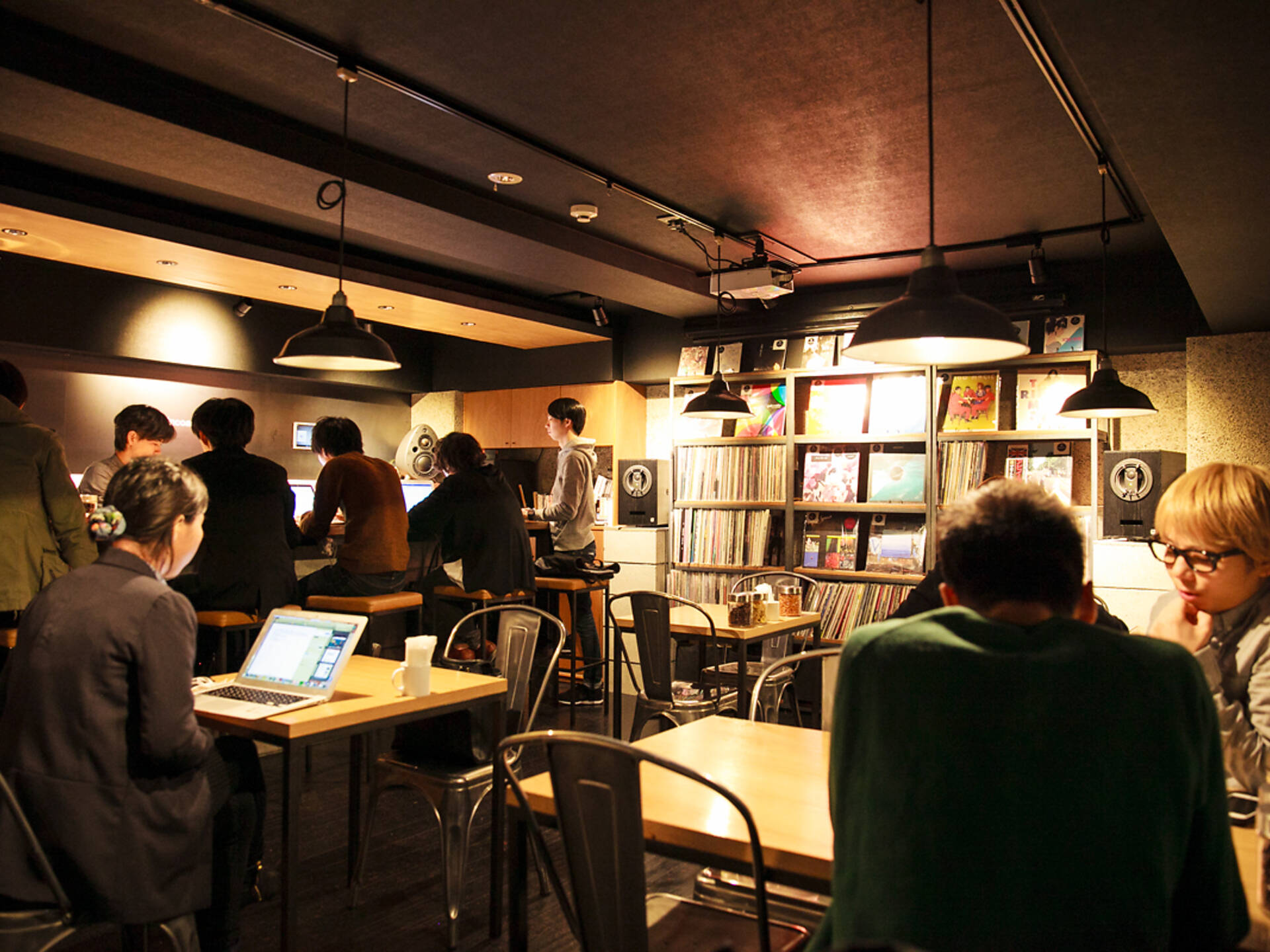
The “Noir” Atmosphere: Jazz Kissa and Post-War Resilience
In the “noir-inspired” basements of Shibuya, the jazz kissa represents a “high-stakes” piece of Japanese history. Establishments like Pres Jazz Bar, named after Lester “Pres” Young, are “permanent fixtures” that date back to the post-war era when American jazz records first flooded Japan. The atmosphere here is “all-enveloping,” with “meticulous” murals of jazz legends and a “technical hardiness” in the service—where ice cubes are chipped into specific shapes to complement the flavor of Japanese whisky. This attention to “molecular” detail is a “narrative-driven” testament to the Japanese respect for the arts and high-quality technology.
The “resilient grace” of the jazz kissa lies in its “foundational integrity” as a serious hobbyist’s haven. These bars are not for “fleeting vibes” but for “something real.” The barmaids and bartenders operate with a “tactical” precision, policing the silence with a mere look that suggests talking would simply mean “people won’t hear the music properly.” In this “architectural laboratory” of sound, the “Ashes of Mediocrity” of modern pop are swept away, replaced by the “naturally radiant” and “reedy strains” of John Coltrane, preserving a “noir-style” legacy of deep appreciation.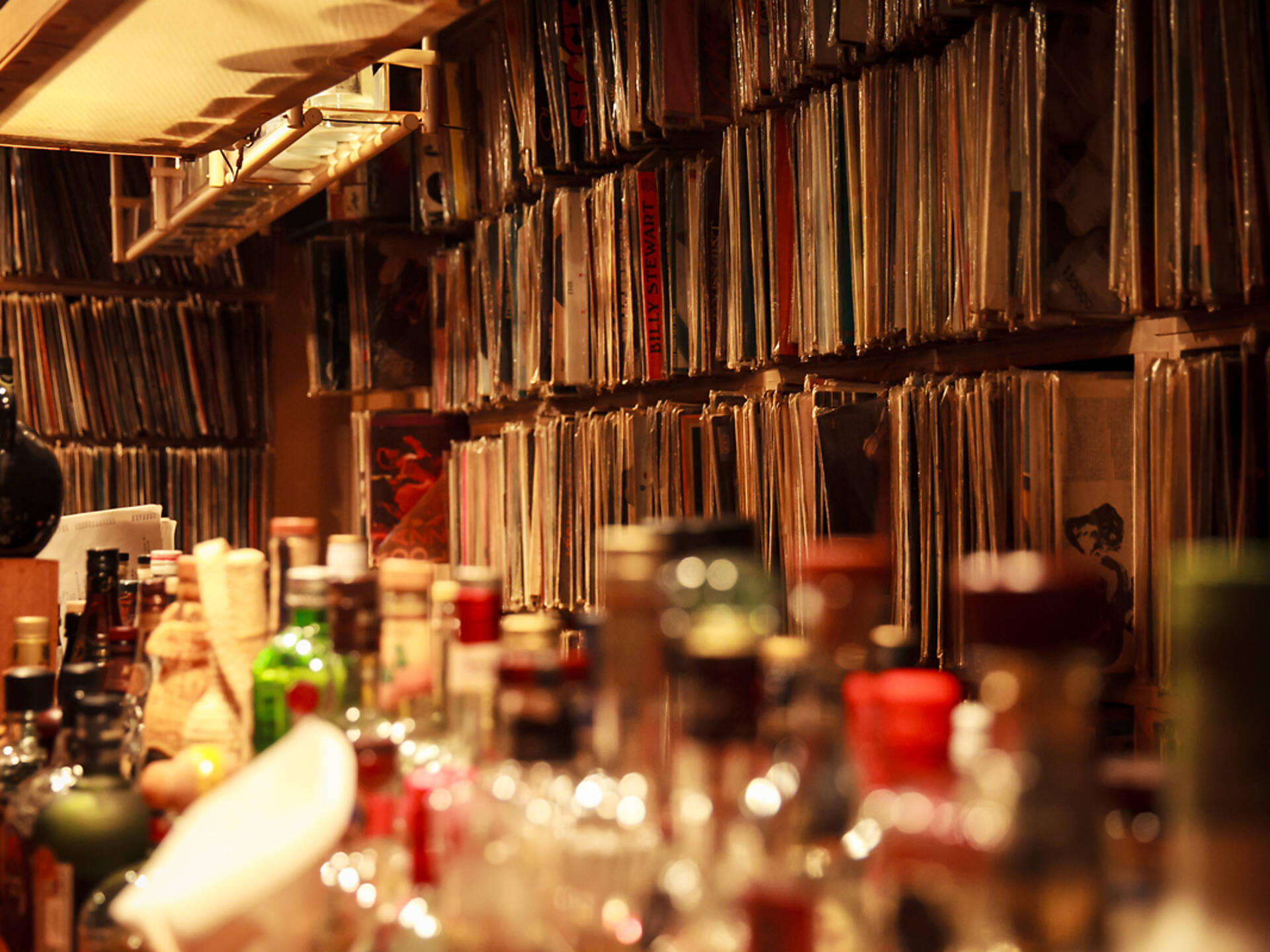
Ecclesiastical Sound: The Lion Café and Classical Integrity
For the ultimate study in “architectural soul,” one must visit the Lion Café. Opened in 1926, it is a “foundational” mock-medieval stone building that resembles a European church—a “daring and innovative” contrast to the seedy red-light district surrounding it. Inside, the “ecclesiastical atmosphere” is enhanced by “pew-like” seating facing a central “altar” of massive, wood-panelled speakers. This is the “high-stakes” origin of the listening bar phenomenon, where the silence is so “immaculate” that even ordering a lemonade feels like a “naughty” disruption of the “private sanctuary.”
The “technical project” of the Lion Café is the preservation of “classical integrity.” Managed by the fourth generation, like Naoya Yamadera, the café is a “sunburst of hope” for those seeking “regal and restrained” beauty. While the public ceremony involves Hindemith or Beethoven, the “innate intelligence” of the manager reveals a “2026 Rebrand” behind closed doors—listening to Sgt. Pepper in the dark once the patrons leave. It is a “meticulous” stewardship that proves “innovation and identity” are best served when they protect the “special atmosphere” of the past.
Global Resonance: The “2026 Rebrand” of a Japanese Export
As the “listening bar” concept becomes a “galactic” export to cities like London and New York, the “technical hardiness” of the Japanese original remains “unapologetically” unique. While Western versions may copy the “maximalist” speakers and “molecular” sound quality, they often struggle with the “resilient grace” of the silence. The Japanese “architectural strategy” of social harmony—prioritizing the collective experience over the individual “impingement”—is a “tactical” advantage that cannot be easily replicated. This “metamorphosis” of the bar scene is a “narrative-driven” reminder that “luxury isn’t rooted in the unattainable,” but in the “foundational integrity” of respect.
The “high-stakes” future of these venues lies in their role as “permanent fixtures” of urban wellness. In an increasingly “shonky” and noisy world, the listening bar offers a “naturally radiant” alternative. It is an “architectural project” for the ears, providing a “liberated elegance” that allows the traveler to “orbit the digital void” and find “something real” in the grooves of a record. The “songbirds of the stumps” of the global nightlife industry are watching Tokyo, where “pragmatism helps the romantics” to sustain a “dazzling” culture of deep listening.
Future Horizons: The “Architectural Integrity” of Sound
Looking toward 2026, the “stewardship” of these sonic sanctuaries is “immaculately” vital. They represent a “2026 Rebrand” of how we consume culture—not as “Ashes of Mediocrity” to be played in the background, but as a “high-stakes” engagement with “architectural soul.” The “technical hardiness” of the equipment, paired with the “innate intelligence” of the curation, ensures that these bars remain “sunbursts of hope” for music lovers. Tokyo’s listening bars are “confident and strong,” proving that “resilient grace” can thrive even in the most chaotic districts.
The “high-stakes” journey through Shibuya’s basements is a “narrative-driven” path to “inner peace.” By “staying at the crease” of sound innovation and cultural tradition, these venues have created a “new heirloom” of experience. Whether “scaling the skyscrapers” of Tokyo’s tower blocks or descending into a “noir-style” jazz den, the traveler of 2026 finds “liberated elegance” in every note. The era of the “architectural listening bar” has arrived, and its “foundational integrity” is as “naturally radiant” as the music it protects.