When the first deep freeze settles over the American landscape, the country’s most famous national parks often see a dramatic shift in character. While summer brings bustling shuttle buses and crowded overlooks, winter transforms these protected lands into sanctuaries of profound solitude and stark beauty. From the steaming geothermal basins of Yellowstone to the snow-dusted red rocks of Bryce Canyon, the cold season offers a rare opportunity to witness nature’s most dramatic displays without the distraction of peak-season tourism. This is the era of the “quiet park,” where the only sounds are the crunch of snowshoes and the distant howl of a wolf. For the intrepid traveler, winter is not a time to stay indoors; it is an invitation to explore a pristine, frost-covered wilderness that remains hidden from the average visitor.
The Geothermal Wonderland of Yellowstone
Yellowstone National Park in winter feels less like a destination and more like a different planet. As the majority of the park’s roads close to private vehicles, the interior becomes accessible only via snowcoach or snowmobile, creating an exclusive, high-altitude retreat. The contrast between the sub-zero air and the boiling thermal features creates a surreal landscape of “ghost trees”—conifers encased in layers of frozen mist and rime ice. Watching Old Faithful erupt against a backdrop of sapphire sky and white powder is a singular experience, as the towering plume of steam lingers far longer in the cold air than it ever does during the humid summer months.

Beyond the geysers, the winter season offers the world’s premier wolf-watching opportunities. In the Lamar Valley, the lack of foliage and the stark white background make it much easier to spot the park’s apex predators as they move across the landscape. Bison, draped in frost and exhaling thick clouds of steam, huddle near the thermal vents for warmth, providing photographers with iconic images of resilience. This is a landscape defined by the struggle for survival, yet there is a peacefulness here that is impossible to find during the frantic July rush, making it the ultimate destination for those seeking a true connection with the wild.
Canyons of Crimson and Crystal
In the American Southwest, the arrival of snow brings a visual transformation to the “Mighty Five” parks of Utah. Bryce Canyon National Park, in particular, becomes a masterpiece of color theory. The brilliant orange of the limestone hoodoos—towering, spire-like rock formations—contrasts sharply with the brilliant white of fresh snow and the deep green of the bristlecone pines. Hiking the Fairyland Loop or the Navajo Trail on snowshoes allows visitors to descend into a silent world of frozen shadows and glowing rock. The thin, crisp air at 8,000 feet provides such clarity that the views extend for over a hundred miles, offering a sense of scale that is often lost in the summer haze.

Zion National Park offers a similarly transformative experience. While the Narrows may be too cold for the casual hiker, the lower canyon trails remain accessible and often feature spectacular “ice weeping” walls where water seeps through the Navajo sandstone and freezes into intricate curtains of glass. The absence of the mandatory shuttle system in winter allows for a more personal exploration of the Zion Canyon Scenic Drive, letting travelers stop and linger at the base of Angel’s Landing or the Court of the Patriarchs. The winter sun, hanging lower in the sky, bathes the canyon walls in a soft, golden light that lasts throughout the day, perfect for long-exposure photography.
The Subtropical Solitude of the South
Winter is the undisputed “prime time” for America’s southern and coastal parks, where the season brings relief from the oppressive heat and insects of summer. Everglades National Park in Florida becomes a vibrant hub of activity during the dry season. As water levels drop, wildlife congregates around permanent pools, making it the best time of year for birdwatching and alligator spotting. The “River of Grass” is teeming with roseate spoonbills, wood storks, and great blue herons, all visible from the boardwalks of Anhinga Trail. The cooler temperatures also make kayaking through the mangrove tunnels of the Ten Thousand Islands a pleasant adventure rather than an endurance test.

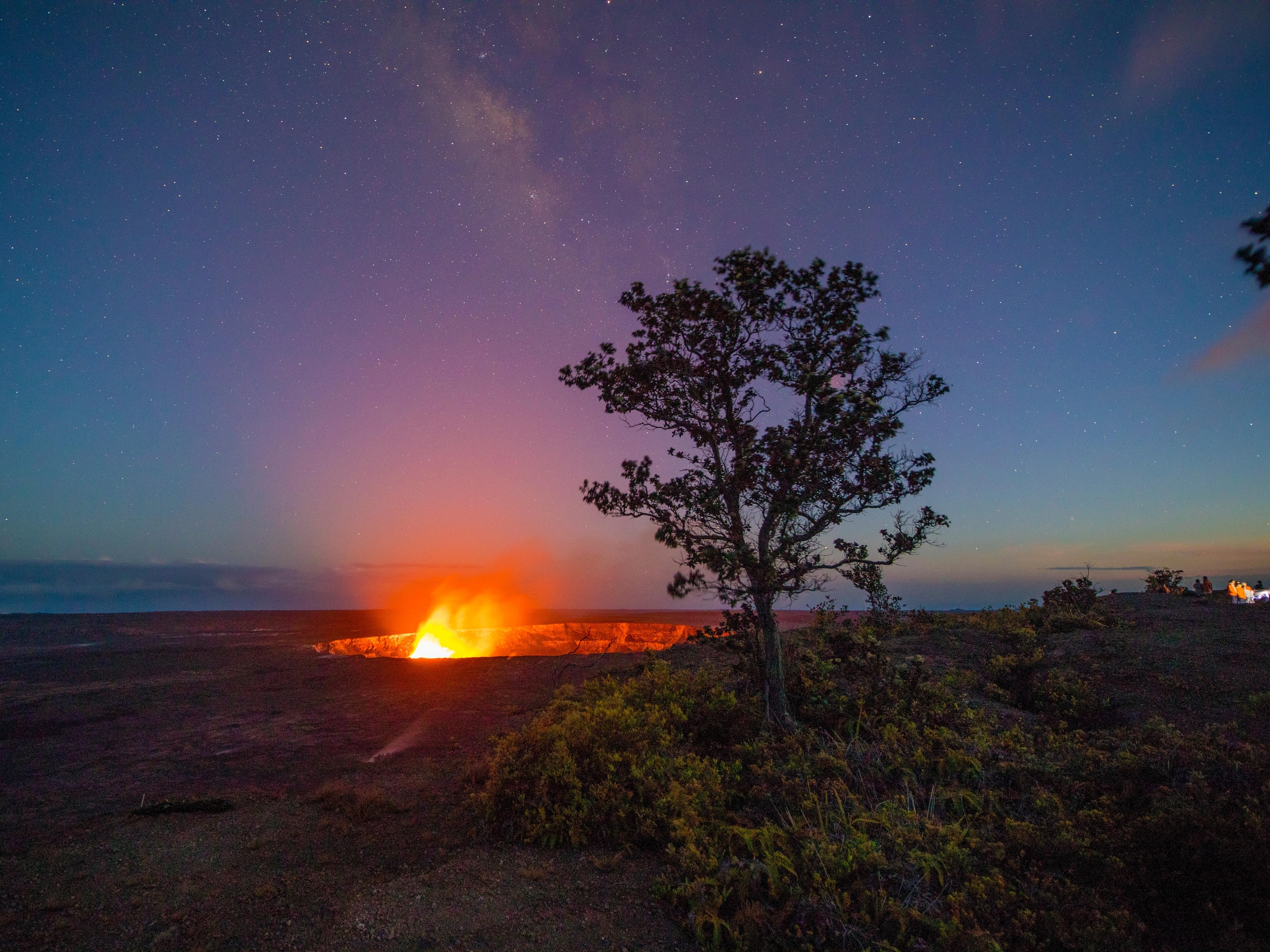
Further west, Big Bend National Park in Texas offers a rugged, desert escape where winter daytime temperatures often hover in the comfortable 60s. The Chisos Mountains, rising like an island from the Chihuahuan Desert, offer hiking trails that lead to breathtaking views of the Rio Grande and the Mexican highlands. At night, Big Bend reveals its greatest winter treasure: some of the darkest skies in the lower 48 states. With the low humidity and clear winter air, the Milky Way appears with startling clarity, turning the park into a world-class observatory. It is a place where the silence of the desert floor meets the infinite scale of the cosmos.
Planning for the Pristine Frontier
Exploring the national parks in winter requires a shift in mindset and preparation. Many facilities, from visitor centers to lodges, operate on reduced hours or close entirely, demanding a higher level of self-sufficiency from the traveler. Proper gear—ranging from high-quality base layers to traction devices for boots—is essential for safety and comfort. However, the reward for this extra effort is a profound sense of ownership over the landscape. In the winter, you aren’t just a spectator; you are a participant in a rare, seasonal ritual that few others witness.
As we look toward a future where “overtourism” is a growing concern, the winter season represents the frontier of sustainable travel. By visiting during the off-peak months, travelers help distribute the economic benefits of tourism throughout the year and reduce the seasonal strain on park infrastructure. More importantly, they gain access to the “soul” of these parks—the quiet, enduring spirit that persists long after the crowds have vanished. Whether it is the steam of a geyser, the glow of a red rock canyon, or the cry of a tropical bird, the winter adventures in our national parks offer a reminder that the most beautiful things are often those found in the stillness.