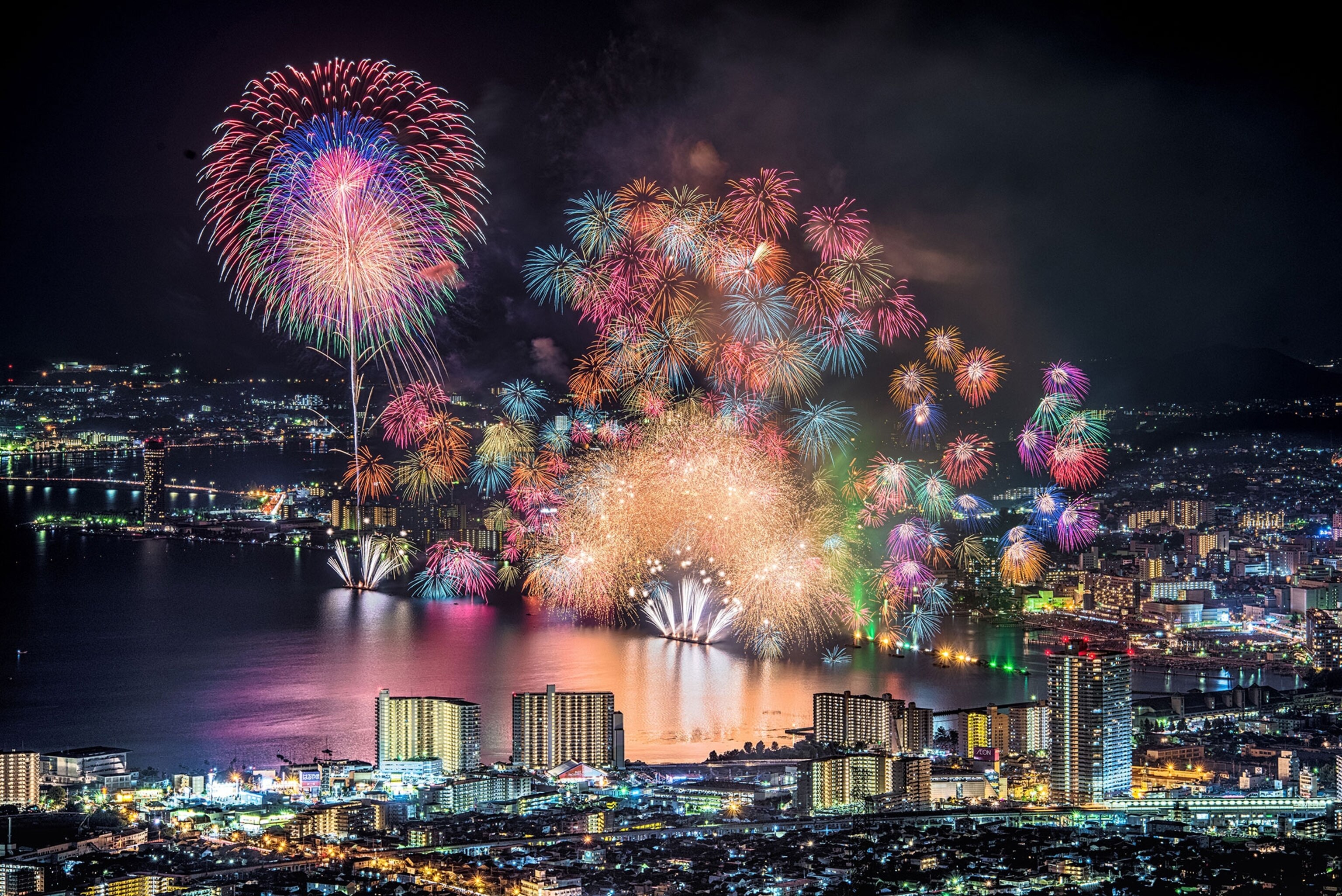
As the clock ticks toward midnight on December 31, 2025, the world is preparing for more than just fireworks and champagne. While Times Square and Sydney Harbour remain the titans of the countdown, a growing number of travelers are seeking “alternative” New Year’s experiences that offer a deeper connection to local culture and ancient folklore. From the ritualistic burning of effigies in the Andes to the rhythmic smashing of pomegranates in the Mediterranean, New Year’s Eve in 2026 is becoming a global tapestry of superstition and celebration. These unique events don’t just mark the passage of time; they are designed to “cleanse” the past and “invite” a prosperous future through actions that range from the whimsical to the truly bizarre.
The Fire Rituals of the South: Ecuador and Italy
In Ecuador, New Year’s Eve is a night of smoke and symbolism. The tradition of burning “viejos” (effigies) involves families building large, scarecrow-like dolls representing disliked politicians, celebrities, or even personal “demons” from the past year. At the stroke of midnight, these effigies are set ablaze in the streets, a symbolic act meant to turn the misfortunes of the old year into ash.

Italy offers a different kind of “cleansing” through the Rogo del Vecchione in Bologna. Here, a massive sculpture of an old man—representing the year that has passed—is burned in the Piazza Maggiore. In other parts of Italy, particularly Naples, the tradition of “Out with the Old” takes a literal turn, as residents have been known to toss unwanted furniture or old pots out of their balconies to symbolize a fresh start.
Grapes, Waves, and Underwear: The Latin Luck
Across Spain and Latin America, the midnight hour is a frantic race against the clock. The “12 Grapes of Luck” tradition requires eating one grape with every chime of the bell at midnight. Success is said to guarantee twelve months of prosperity, while failure to finish them in time is a bad omen for the months ahead.

In Brazil, the celebration moves to the shoreline. Millions gather on Copacabana Beach, dressed entirely in white to signify peace. The most dedicated revelers participate in jumping seven waves at midnight, making a wish with each leap to honor Iemanjá, the goddess of the sea.
To complement these acts, many in Mexico and Bolivia believe their fortune is determined by the color of their underwear—red is worn for love, yellow for wealth, and green for health.
Fortune-Telling and Smashing: The European Edge
In Northern and Central Europe, New Year’s is a time for divination. The Finnish and German tradition of Molybdomancy involves melting small pieces of tin (or lead) and pouring the liquid metal into cold water. The resulting shapes are interpreted as omens for the future: a heart or ring signifies a wedding, a ship predicts travel, and a pig suggests a year of plenty.
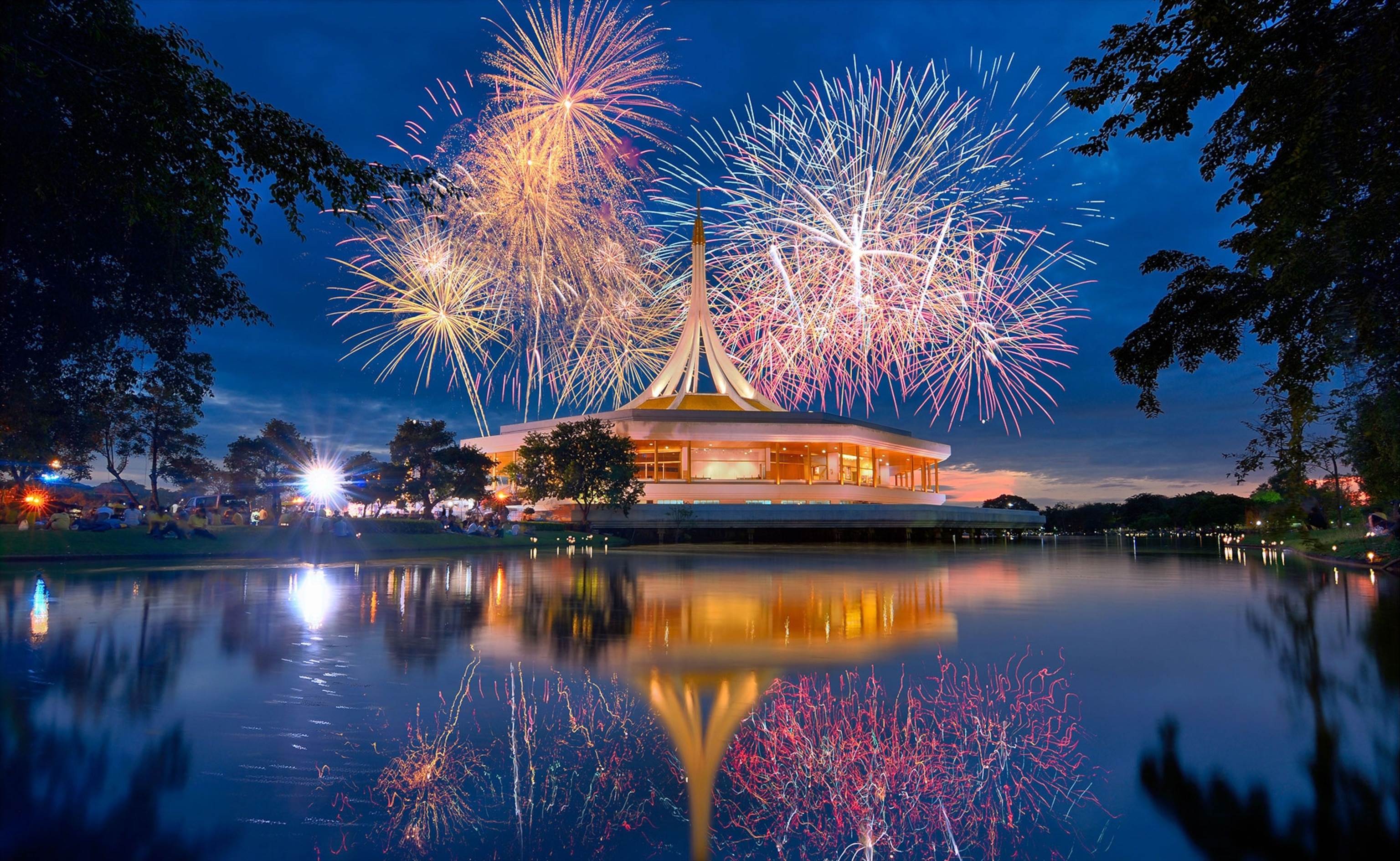
Meanwhile, Denmark and Türkiye embrace “destructive” luck. In Denmark, it is a sign of friendship to smash old plates against the doors of your loved ones; the larger the pile of shards on your doorstep on New Year’s Day, the more popular you are. In Türkiye, families smash pomegranates on their doorsteps, believing that the more seeds that spill out, the more luck will enter the home in 2026.
The Spiritual Soundscape: Japan and Scotland
For those seeking a more meditative start to 2026, Japan’s Joya-no-Kane (bell-ringing) ceremony is essential. Buddhist temples across the country ring their bells exactly 108 times to dispel the 108 earthly temptations that plague humans. This solemn ritual is believed to cleanse the soul of the previous year’s sins, providing a silent, spiritual transition into the new year.
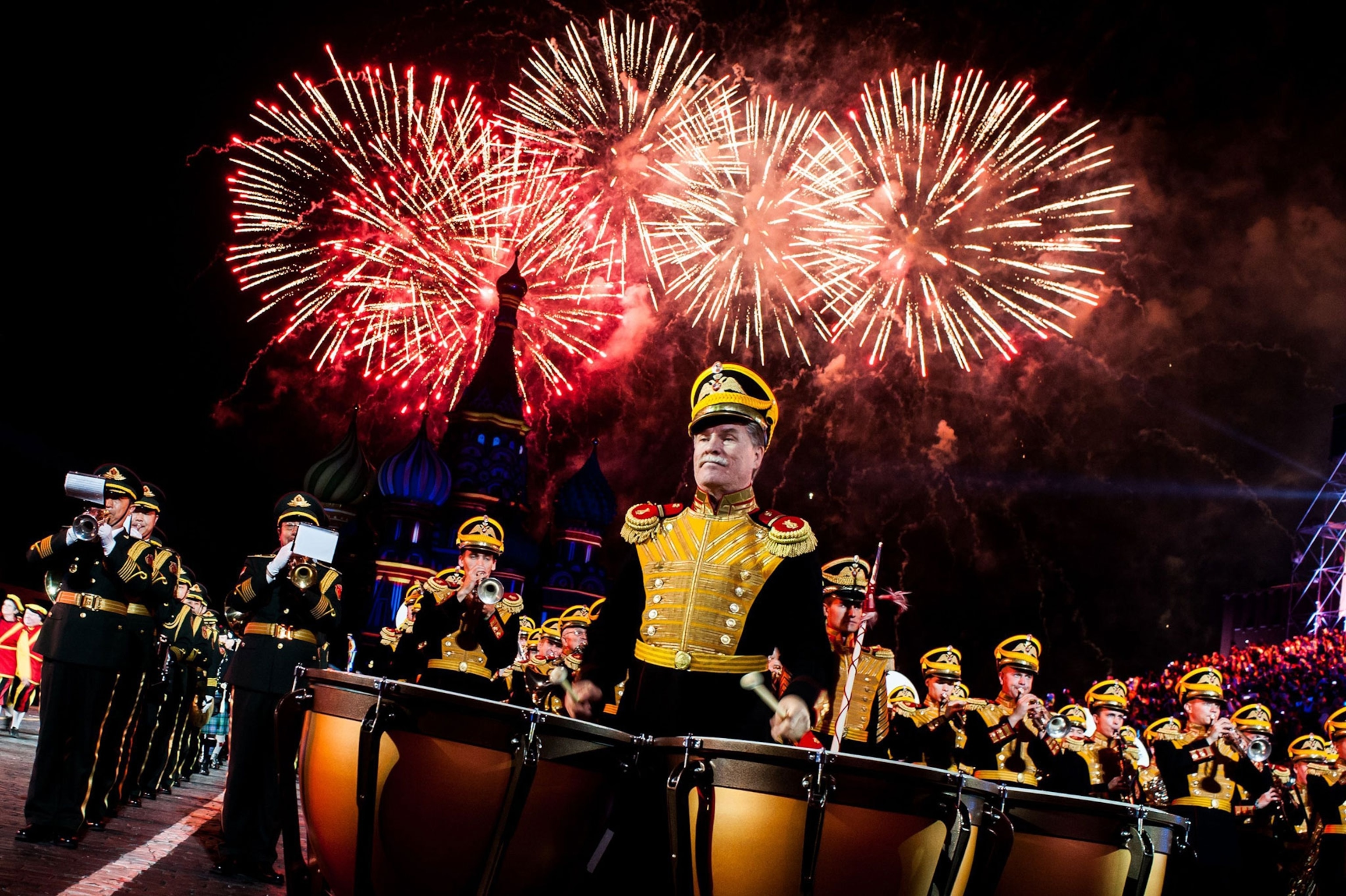
In contrast, Scotland’s Hogmanay is a high-energy festival of fire and song. Beyond the famous street parties, the tradition of “First Footing” dictates that the first person to cross your threshold after midnight brings the luck for the year. Ideally, this person should be a tall, dark-haired man carrying symbolic gifts like coal, shortbread, and whisky, representing warmth, food, and good spirits for the household.
The “Walking Suitcase” and Other Quirks
Perhaps the most optimistic tradition comes from Colombia, where travelers and dreamers take an empty suitcase for a walk around the block at midnight. This “suitcase stroll” is believed to ensure a year filled with international travel and adventure—a tradition that has seen a surge in 2026 as global tourism reaches new heights.
From Ireland’s tradition of banging bread against walls to ward off evil spirits to the Filipino obsession with round fruits (representing coins) and polka-dot clothing, the world is united by a singular desire: to start the year with a bit of “calculated” luck. Whether you are jumping off a chair in Denmark or eating seven meals in Estonia, these rituals remind us that the new year is a canvas onto which we project our highest hopes.