*America’s National Parks are celebrated for their monumental natural wonders, but an often-overlooked yet equally compelling aspect of the experience is the legendary architecture of the historic park lodges. These grand structures, many dating back to the early 20th century, are masterpieces of a unique architectural style known as **”Parkitecture”—*or NPS Rustic. Parkitecture defines the National Park Service’s aesthetic, emphasizing designs that use local, unrefined materials like natural stone and large, unpeeled logs to seamlessly blend into the surrounding landscape rather than impose upon it. Visiting these lodges offers a profound sense of history, connecting guests to the golden age of railroad tourism and the visionary efforts of early conservationists like Stephen Mather to make the parks accessible and luxurious.
The Birth of Parkitecture: Blending with the Wilderness
The National Park Service Rustic style, or “Parkitecture,” was born out of a philosophy that architecture within the parks should reflect and respect the untamed beauty of the wilderness.

Developed in the early 1900s, this style was a deliberate reaction against the formal Victorian resort designs of the previous era. Architects aimed to use materials found immediately on-site—such as local limestone, river stone, and massive old-growth pine logs—to ensure the buildings looked as if they had grown organically from the landscape. Structures like the Old Faithful Inn in Yellowstone National Park are the ultimate examples; its enormous, seven-story log lobby, built in 1903, showcases gnarled logs and rough-sawn wood, achieving a “woodsy” aesthetic on a monumental scale that is unique in American architecture.
Grandeur Meets Rustic: A Glimpse into the Past
Staying in these historic lodges is a journey back in time, offering an authentic experience of the early 20th-century American vacation.
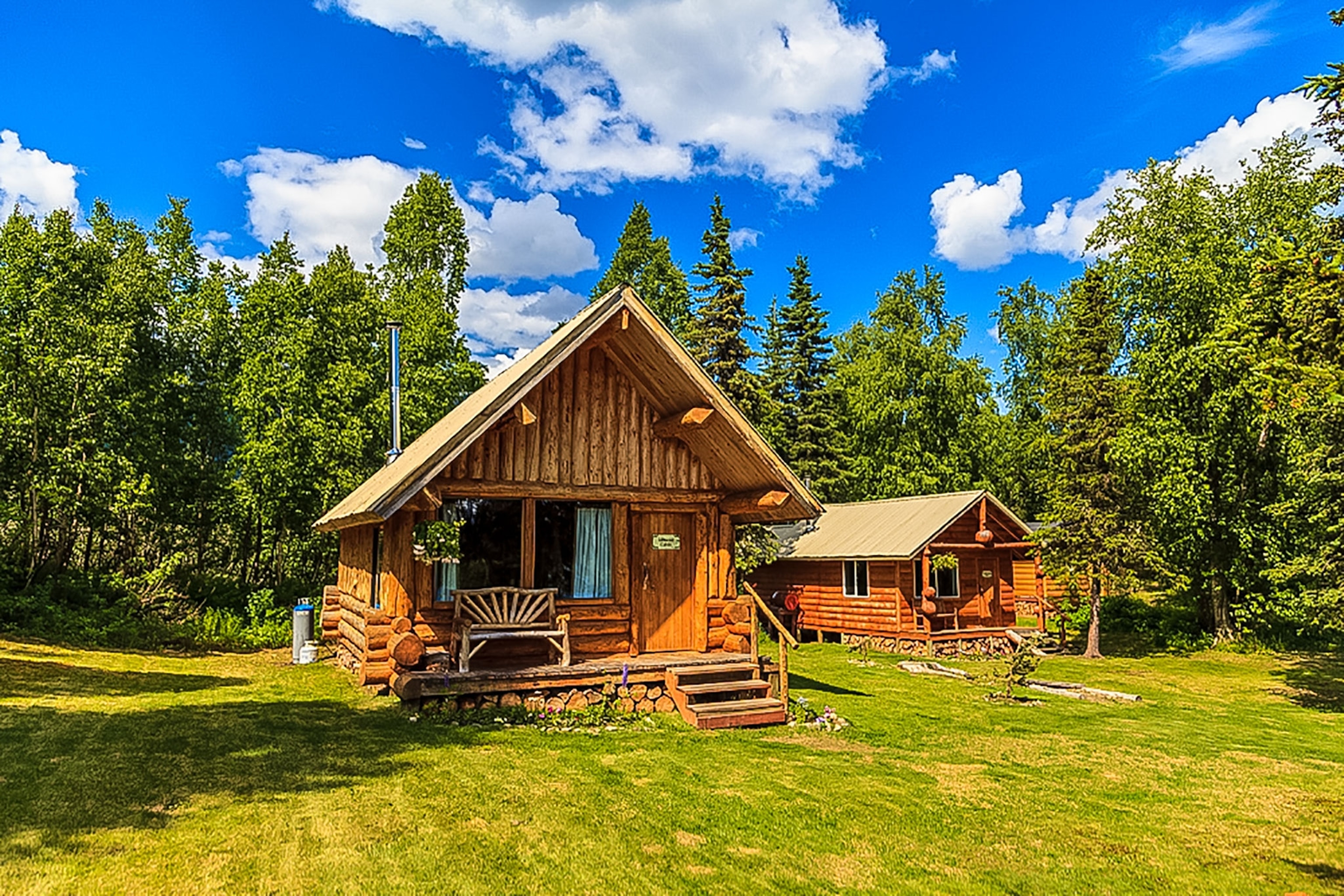
Many of these lodges were commissioned by railroad companies, which invested heavily in high-end resorts to attract wealthy, upper-class travelers. This is why, despite their rustic exteriors, interiors often feature sophisticated touches like massive stone fireplaces, expansive dining rooms, and high ceilings with elaborate timber framing. The El Tovar Hotel at the Grand Canyon’s South Rim, opened in 1905, perfectly captures this transition, blending elements of a Victorian resort with the rustic log cabin style. Visiting provides a physical anchor to the past, allowing modern guests to experience the charm and sense of place that defined travel a century ago.
Iconic Lodges and Their Unique Stories
Each historic lodge possesses a unique narrative that is tied directly to the history and natural features of its respective national park.

The Ahwahnee Hotel (now The Majestic Yosemite Hotel) in Yosemite National Park is renowned for its stunning interior design and architecture, strategically framed to highlight natural wonders like Yosemite Falls and Half Dome. In contrast, the Zion Lodge in Utah, originally designed by the famous architect Gilbert Stanley Underwood, has a compelling history of being rebuilt after a fire, with its final 1990s restoration successfully returning the iconic lodge-style exterior. Even smaller lodges, like the Crater Lake Lodge, offer unparalleled views from their historic locations right on the rim of natural marvels, proving the structures were built with the primary purpose of maximizing the guest’s connection to the landscape.
Preservation and the Modern Experience
Today, the continued operation of these lodges represents a significant commitment to historic preservation and sustainable tourism.
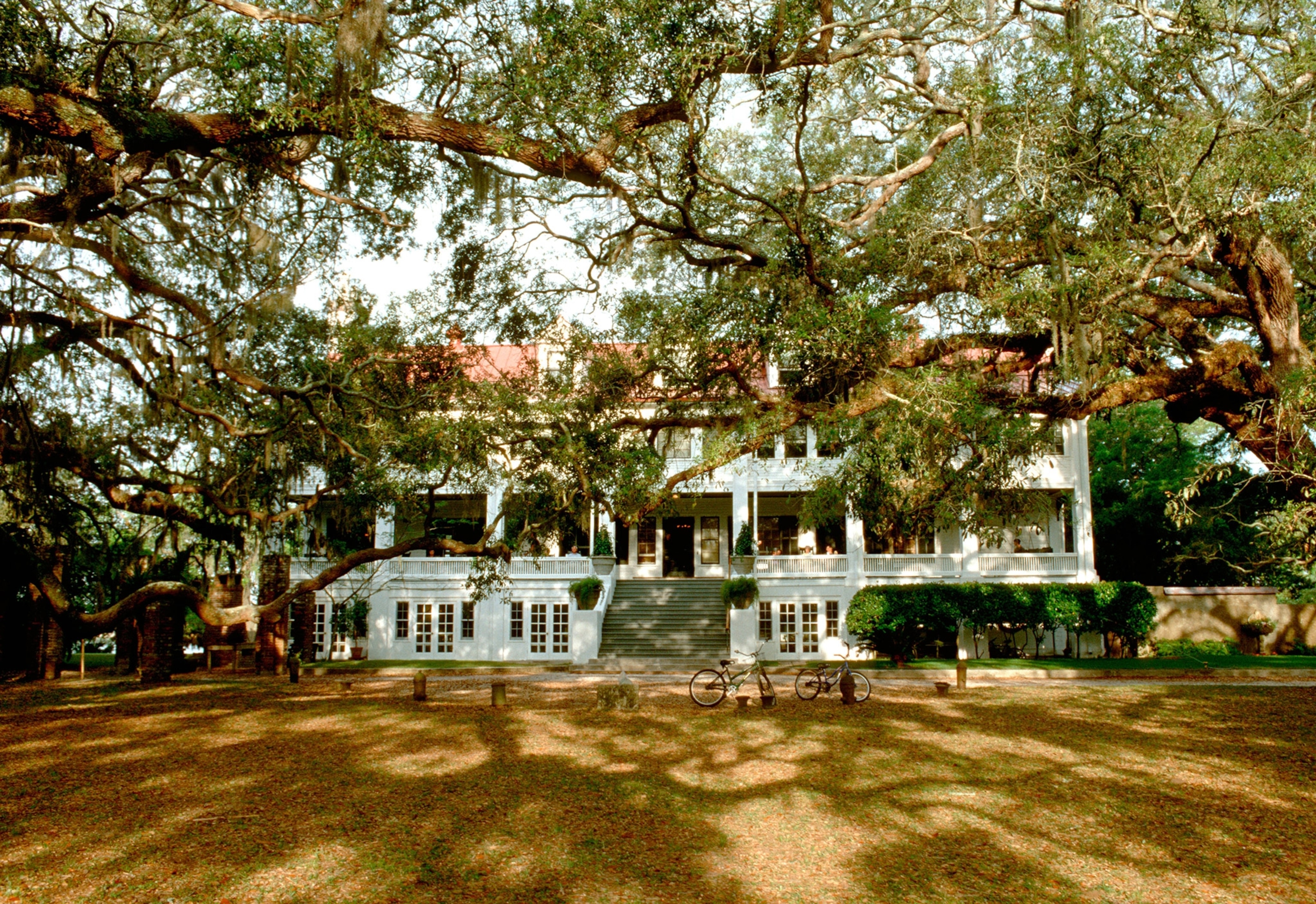
Organizations such as the National Park Service and their concessionaires strive to maintain the authentic character and architectural integrity of these Historic Landmarks. Multi-million-dollar renovations are frequently undertaken to subtly incorporate modern comforts—like updated plumbing, exclusive accommodations, and sustainability measures—while rigorously preserving the original steel beams, old-growth pine flooring, and artistic details. By choosing to stay in or visit these historic structures, guests are participating in the ultimate form of recycled and sustainable tourism, directly supporting the preservation of cultural resources for future generations.