For the modern skier, the thrill of the descent is often matched by the allure of the journey, and nowhere is this more evident than in Europe’s premier cross-border ski regions. Imagine eating a buttery croissant in a French boulangerie for breakfast, navigating a high-altitude mountain pass, and sitting down to a steaming bowl of handmade pasta in an Italian rifugio for lunch—all without ever taking off your skis. From the massive interconnected network of the Portes du Soleil to the high-glamour transit between Zermatt and Cervinia, international ski circuits are redefining the winter holiday. These are not merely interconnected slopes; they are cultural bridges that allow travelers to experience the distinct flavors, languages, and traditions of two countries in a single afternoon, turning a standard ski trip into a grand European odyssey.
The Matterhorn’s International Corridor
The recent completion of the Matterhorn Alpine Crossing has fundamentally altered the relationship between Zermatt, Switzerland, and Breuil-Cervinia, Italy. This multi-stage cable car journey is the highest border crossing in the Alps, allowing both skiers and non-skiers to glide over glacial crevasses at nearly 4,000 meters. For those on skis, the transition is seamless: you leave behind the precision-engineered, high-end luxury of Zermatt to find the sprawling, sun-drenched, and often more affordable slopes of the Aosta Valley. The Matterhorn itself acts as a constant, shifting totem, revealing its jagged “toblerone” profile from the Swiss side and a more rugged, broader face from the Italian perspective.
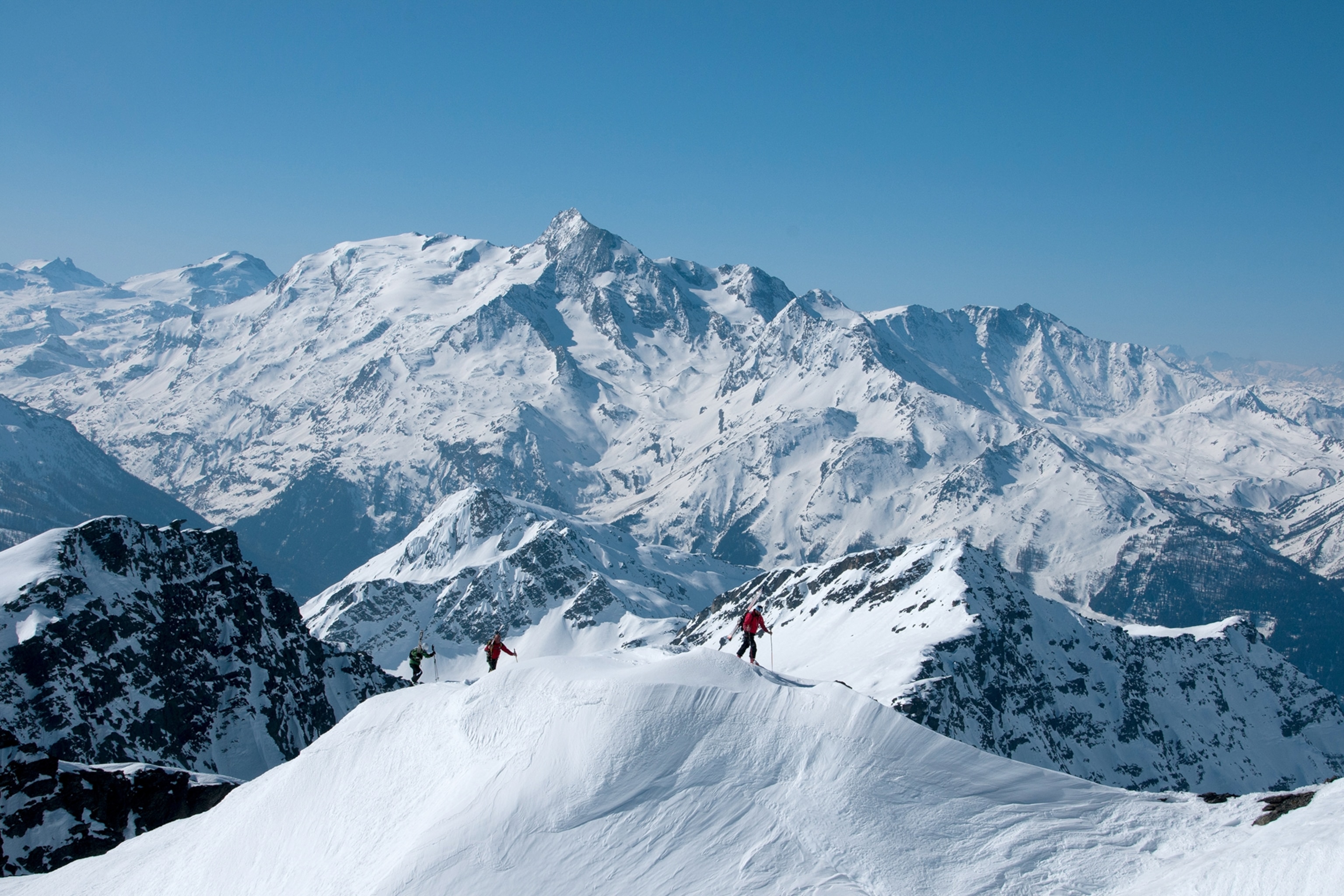
Skiing into Italy from Switzerland isn’t just about the change in terrain; it’s a shift in tempo. While Zermatt’s mountain restaurants are famed for their world-class sophistication and hefty price tags, the Italian side offers a more relaxed, boisterous atmosphere. At Plateau Rosa, the literal line in the snow marks the border, where travelers can pause for a “Bombardino”—a potent Italian mountain cocktail—before embarking on long, cruisy runs down to Cervinia. This cross-border connection ensures that even during a week-long stay, the variety of terrain and the contrast in cultures keep the experience feeling fresh and expansive.
The Giant Gateway of Portes du Soleil
Straddling the border between Haute-Savoie in France and the Valais canton in Switzerland, the Portes du Soleil is one of the world’s largest ski domains. With 12 linked resorts and over 600 kilometers of pistes, it offers a “mountain leapfrog” experience that is unrivaled in scale. A favorite challenge for adventurous skiers is the infamous “Swiss Wall” (Le Pas de Chavanette), a steep, mogul-filled descent that marks the boundary between the French resort of Avoriaz and the Swiss resort of Les Crosets. It is a formidable natural border that serves as a rite of passage for many, though less intrepid travelers can simply take the chairlift down to enjoy the scenery.

The charm of the Portes du Soleil lies in the distinct personalities of its villages. On the French side, resorts like Morzine and Châtel offer vibrant nightlife and traditional Savoyard architecture. Cross into Switzerland, and the atmosphere becomes noticeably quieter and more rustic, with traditional hamlets like Champéry and Morgins providing a glimpse into a slower pace of mountain life. Because the area is so vast, a cross-border day trip requires careful navigation and an eye on the clock; missing the final lift back over the ridge could result in a very long and expensive taxi ride around the base of the mountains to get back to your home country.
Smugglers’ Trails and Duty-Free Descents
The connection between Ischgl in Austria and Samnaun in Switzerland is rooted in a history far more rugged than modern luxury skiing. For centuries, the high passes between these two valleys were used by smugglers to transport tobacco, coffee, and silk. Today, the Silvretta Arena celebrates this heritage with three “Smugglers’ Runs”—gold, silver, and bronze circuits that guide skiers across the border through some of the resort’s most breathtaking scenery. Ischgl is widely known as the “Ibiza of the Alps,” famous for its high-energy après-ski and star-studded concerts, while Samnaun retains a unique status as Switzerland’s only duty-free enclave.
Skiing into Samnaun offers the unique opportunity for a mid-day shopping spree, where visitors can browse luxury watches and perfumes at tax-free prices before tucking a bottle of Swiss gin into their backpack for the ride home. The descent into Switzerland via the “Duty-Free Run” is a long, winding adventure that terminates at the world’s first double-decker cable car, which whisks shoppers and skiers back up to the Austrian ridge. This juxtaposition of Ischgl’s high-octane glamour and Samnaun’s quiet, commercial curiosities makes for one of the most eccentric and entertaining cross-border experiences in Europe.
The Milky Way and the Olympic Legacy
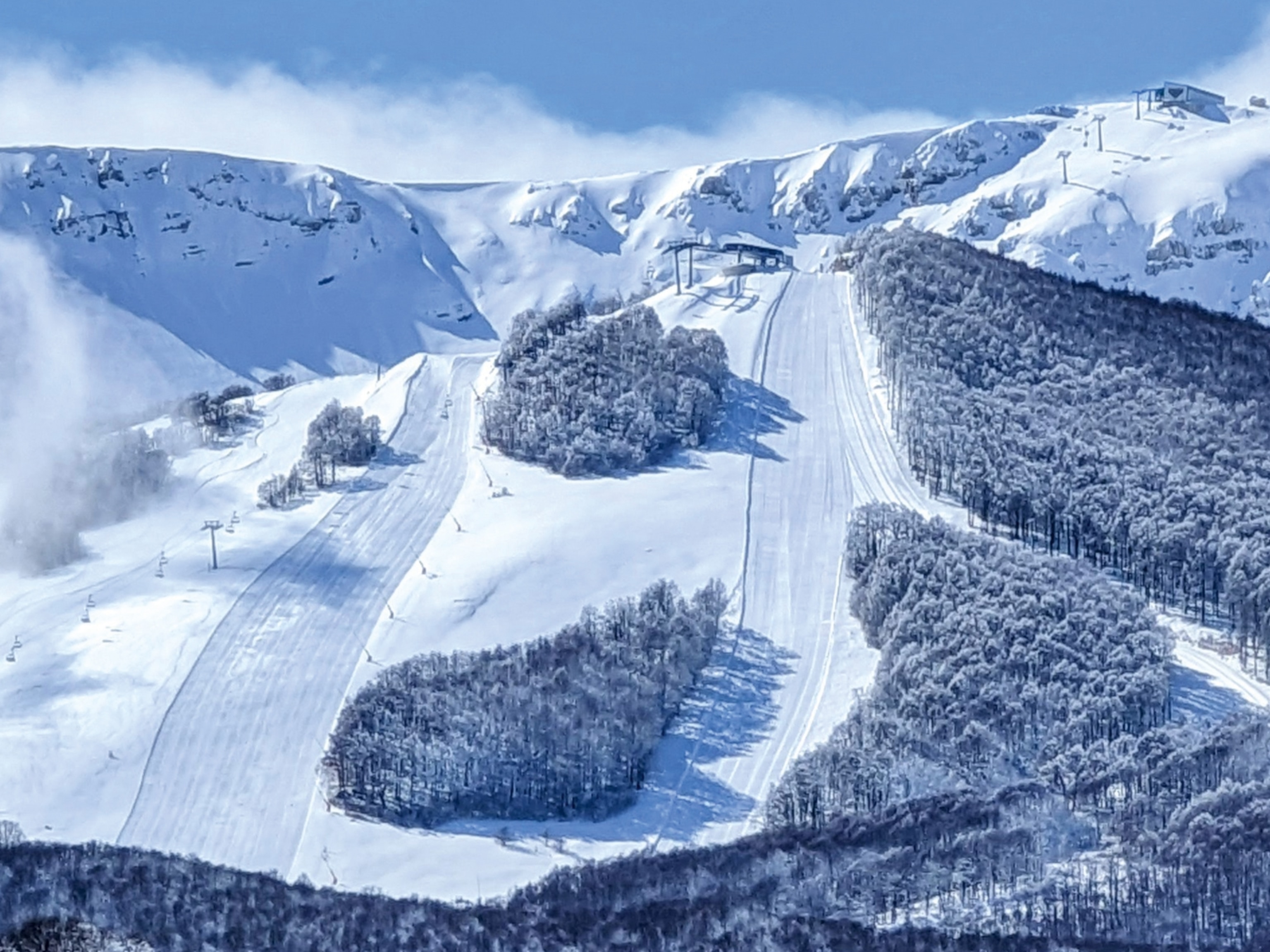
The Via Lattea, or Milky Way, is a vast international circuit that rose to global prominence during the 2006 Winter Olympics. Linking five Italian resorts, including the high-altitude Sestriere and the charming Sauze d’Oulx, with the French resort of Montgenèvre, it offers over 400 kilometers of interlinked runs. Montgenèvre, known affectionately as “Monty” by its British regulars, is the only French outpost in this otherwise Italian network. It serves as a sunny, family-friendly gateway that feels worlds apart from the purpose-built Olympic architecture of Sestriere, offering a blend of French charm and Italian expansive terrain.
Navigating the Milky Way is an exercise in endurance and exploration. A full-day adventure might begin on the north-facing, snow-sure slopes of Sestriere before traversing the ridge into France for a lunch of raclette or crêpes. The area is particularly famous for its tree-lined skiing, providing essential shelter and visibility when the alpine weather turns. As the sun sets over the peaks of the Piedmont region, the return journey to Italy provides some of the most spectacular views in the Alps. This cross-border corridor is a reminder that in the mountains, political boundaries are invisible, replaced by a shared love for the high-altitude lifestyle that transcends language and nationality.