In the popular imagination, the Galápagos Islands are a pristine laboratory of evolution, a place where time stands still and nature reigns supreme. Yet, behind the iconic images of giant tortoises and blue-footed boobies lies a complex human story that is often overlooked. For the 30,000 residents known as Galapagueños, the archipelago is not just a scientific curiosity or a bucket-list destination; it is a home facing an existential crisis. As the pressures of invasive species, climate change, and over-tourism mount, a new generation of local conservationists is rising to the challenge. Moving beyond the traditional model of “fortress conservation,” these residents are proving that the survival of the islands depends on the very people who live there. From coffee farmers practicing regenerative agriculture to fishers turned citizen scientists, the fight to save paradise is being won by those who call its volcanic shores home.
A New Paradigm for Island Protection
For decades, conservation in the Galápagos was largely driven by international organizations and foreign scientists, often creating a divide between the local population and the environment they inhabited. However, a significant shift is underway. The modern movement is defined by local ownership, where Galapagueños are leading the charge in sustainable living. This transition is crucial because the human footprint on the islands—concentrated in four main inhabited areas—has a direct impact on the surrounding marine and terrestrial ecosystems. By integrating the local community into the protection strategy, the islands are moving toward a model where humanity and nature coexist rather than compete.
This grassroots involvement is visible in the way residents now view their role as stewards. Educators are redesigning school curricula to focus on endemic biodiversity, ensuring that the next generation grows up with a deep-seated pride in their unique heritage. It is no longer just about keeping people out of protected areas; it is about teaching them how to live within the limits of a closed system. This cultural shift is the bedrock of the islands’ future, as it transforms every resident into a potential ranger, advocate, or scientist in their own right.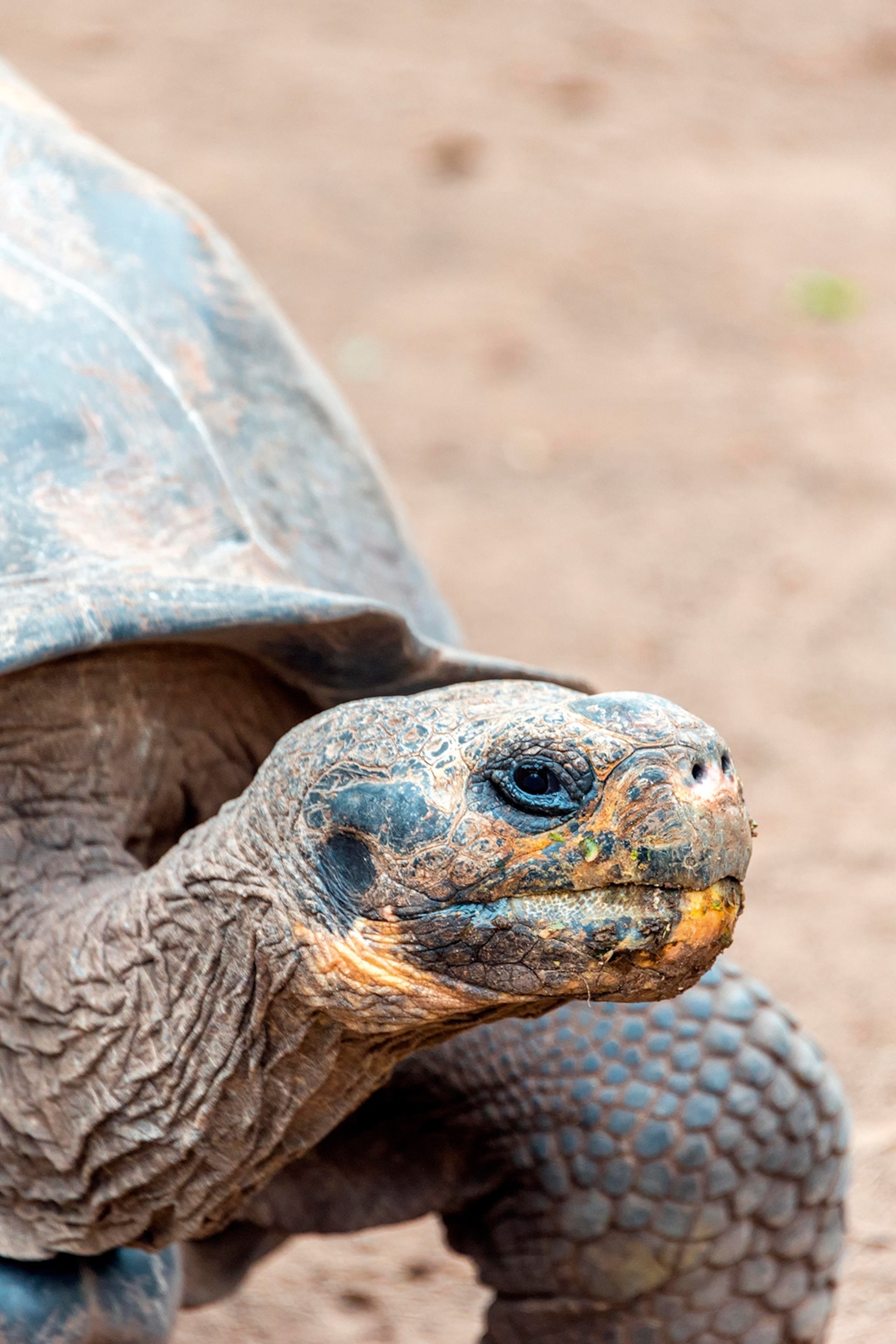
Regenerative Agriculture in a Volcanic Landscape
One of the most innovative fronts in the battle for the Galápagos is found in the lush highlands. Historically, agriculture was a source of tension, as introduced crops and livestock often escaped into the wild, threatening native flora. Today, visionary farmers are flipping the script. On the island of Santa Cruz, coffee producers are utilizing agroforestry techniques that protect the migratory paths of giant tortoises. By planting native trees and avoiding harmful pesticides, these farmers create “biological corridors” that allow wildlife to move freely through private land, effectively expanding the habitat of the island’s most famous residents.
These sustainable farms do more than just protect tortoises; they provide food security for an archipelago that has long relied on expensive and carbon-heavy imports from the mainland. Every crate of produce grown locally reduces the risk of “hitchhiking” invasive species—such as insects or seeds—entering the islands via cargo ships. This circular economy approach demonstrates that environmental health and economic stability are two sides of the same coin. When a Galapagueño buys a bag of locally grown, tortoise-friendly coffee, they are directly participating in the defense of their ecosystem.
The Blue Guardians of the Marine Reserve
The waters surrounding the Galápagos are among the most biodiverse on the planet, but they are also under constant threat from illegal fishing and plastic pollution. Local fishers, who once viewed conservation restrictions as a threat to their livelihood, are now some of the most vocal defenders of the Galápagos Marine Reserve. Many have transitioned to “artesian” fishing methods, using specialized gear that minimizes bycatch and ensures that fish stocks remain healthy for years to come. This transition has been supported by initiatives that help fishers brand their catch as “Galápagos Sustainable,” fetching higher prices in local and international markets.
Beyond fishing, the community is engaged in massive coastal cleanup operations that target “ghost nets” and microplastics brought in by global ocean currents. These efforts are often led by local divers and boat captains who know every nook and cranny of the coastline. By monitoring shark populations and reporting illegal activity, these maritime workers act as a volunteer navy, providing eyes and ears on the water that the official park service could never achieve alone. Their intimate knowledge of the sea is being paired with modern technology, creating a powerful defense against the exploitation of the “enchanted” waters.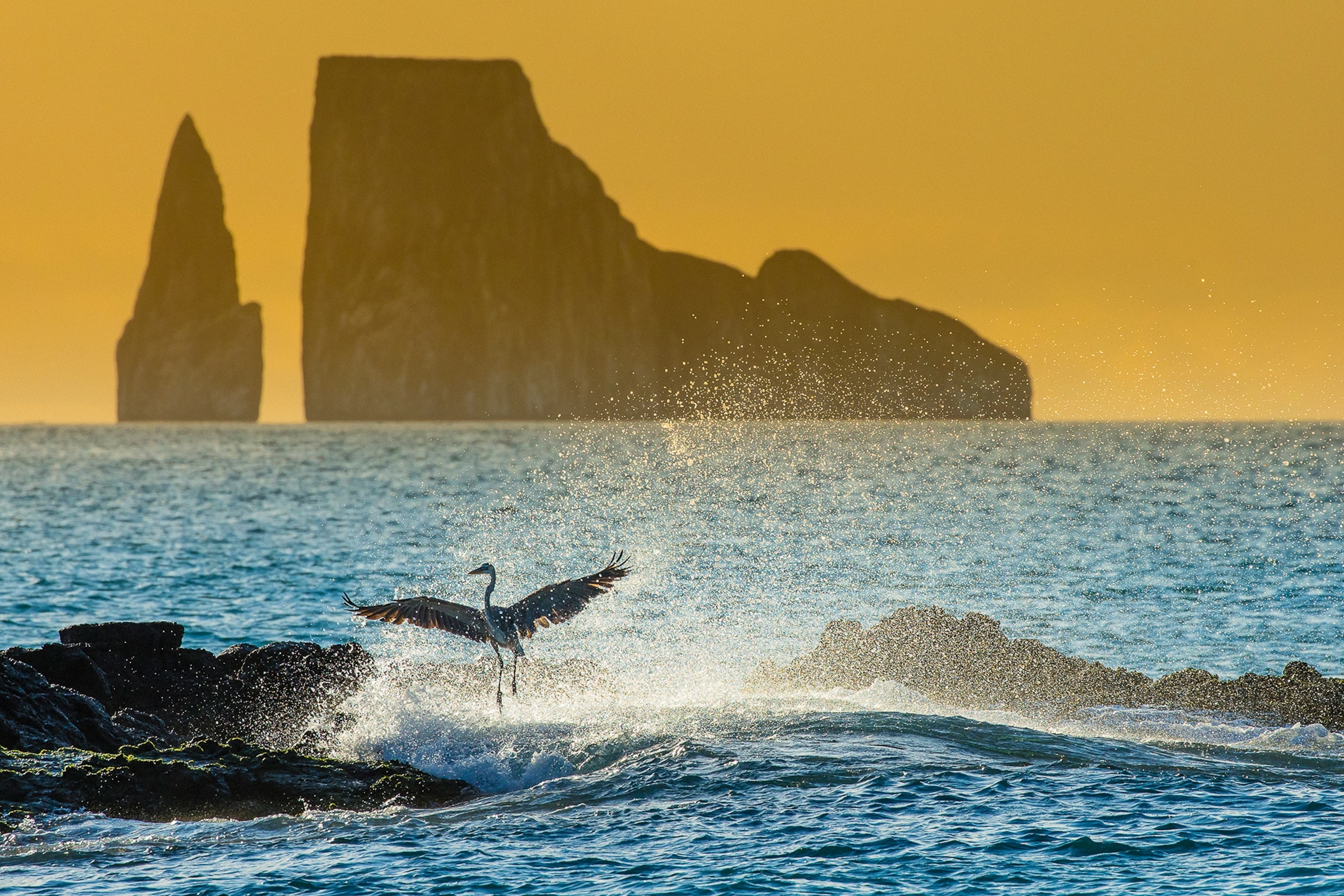
The Economic Engine of Conscious Tourism
Tourism is the lifeblood of the Galápagos economy, but it is also its greatest challenge. The sheer volume of visitors creates a demand for energy, water, and waste management that the islands struggle to meet. In response, local entrepreneurs are pioneering a more conscious form of travel. Boutique hotels owned by Galapagueño families are leading the way in solar power, rainwater harvesting, and zero-waste initiatives. By keeping the profits within the community, these businesses ensure that the benefits of tourism are used to fund local conservation projects rather than being siphoned off by foreign corporations.
This “human-centric” approach to tourism also enriches the visitor experience. Travelers are now encouraged to engage with the local culture, visiting highland farms or attending community events, which fosters a deeper understanding of the islands’ complexity. When tourists see the passion that the Galapagueños have for their home, they often leave as ambassadors for the cause. The goal is to create a symbiotic relationship where tourism doesn’t just “leave no trace,” but actually contributes to the restoration of the archipelago. In the end, the salvation of the Galápagos will not come from a laboratory, but from the hearts and hands of the people who call it home.