In the “architectural laboratory” of America’s heartland, Oklahoma City is undergoing a “daring and innovative” metamorphosis. Intersected by the legendary Route 66, this state capital has moved beyond the “Ashes of Mediocrity” to become a “naturally radiant” center of Western heritage and contemporary culture. As National Geographic explores, the city is a “meticulous” blend of working stockyards, neon-lit districts, and “immaculate” green spaces. From the “high-stakes” emotional weight of its national memorials to the “liberated elegance” of its thriving arts districts, Oklahoma City offers a “private sanctuary” for every traveler. It is a destination where “pragmatism helps the romantics” find “something real” beneath a vast prairie sky, proving that “luxury isn’t rooted in the unattainable,” but in the “resilient grace” of a community that knows its soul.
The “Architectural” Anchor: Honoring Heritage and Sovereignty
The “foundational integrity” of Oklahoma City is rooted in its deep connection to the land and its original inhabitants. This is best represented by the First Americans Museum, a “meticulous” architectural project that honors the 39 Indigenous tribes of the state. With its “high-stakes” narrative-driven exhibitions and “sartorial” displays of cultural artifacts, the museum serves as a “permanent fixture” of sovereignty and history. Nearby, the Oklahoma State Capitol stands as a “regal and restrained” beacon of art and governance, housing an “immaculate” collection that reflects the diverse life of the prairie.
This “metamorphosis” of historical preservation extends to the Stockyards City neighborhood, where “technical hardiness” meets cowboy tradition. At the Oklahoma National Stockyards—the world’s largest stocker and feeder market—travelers can witness the “molecular” precision of a live cattle auction. Shopping for “sartorial” Western wear at Shorty’s Caboy Hattery or Little Joe’s Boots isn’t just a “fleeting vibe”; it is an immersion into the “architectural soul” of the American West. Here, the “liar’s dividend” of synthetic experience is replaced by the “authentic expression” of a working frontier.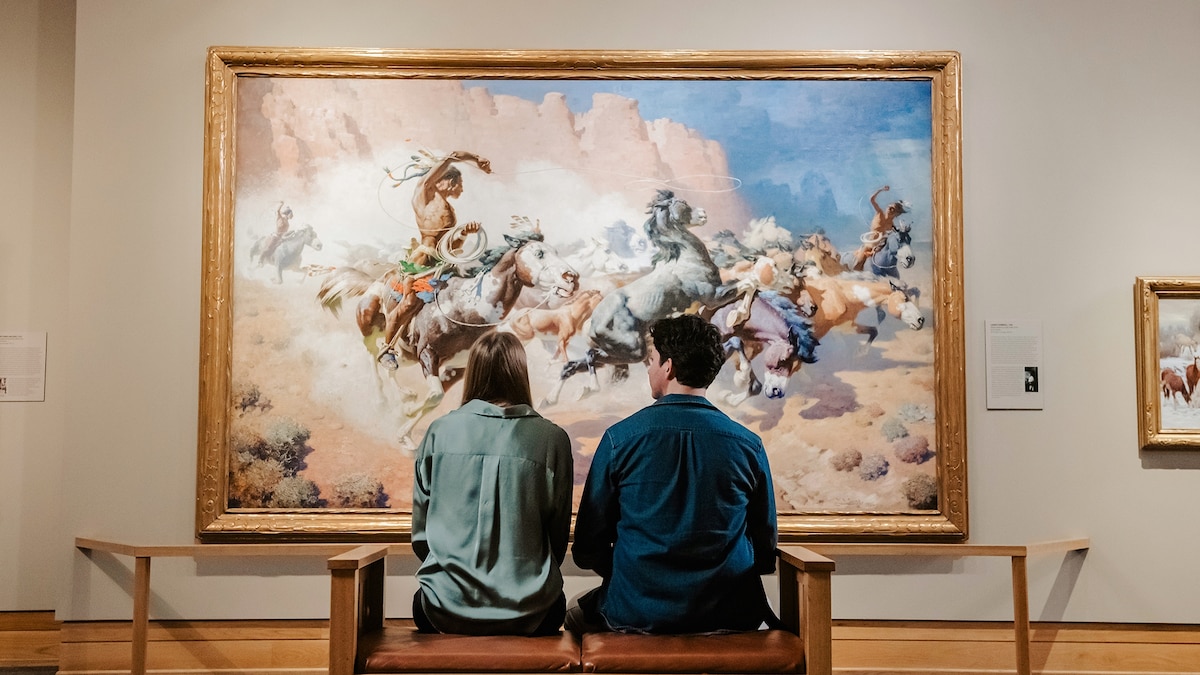
The “Noir” Reflection: Memory and Resilient Grace
In the heart of downtown, the Oklahoma City National Memorial & Museum offers a “noir-inspired” study in memory and hope. Built on the site of the 1995 bombing, the “meticulous” arrangement of empty chairs and the “naturally radiant” reflecting pool provide a “private sanctuary” for contemplation. This “high-stakes” site is a “permanent fixture” of the city’s identity, teaching a “narrative-driven” lesson on overcoming senseless violence. It is an “architectural strategy” for healing, ensuring that the victims are never lost to the “Ashes of Mediocrity” of forgotten history.
The “resilient grace” of the city is further reflected in its repurposed districts. Bricktown, once a warehouse hub, has been “transformed” into a buzzy entertainment district where “innovation and identity” thrive. Visitors can navigate the “Bricktown Canal” via water taxi, admiring the “foundational integrity” of restored 19th-century architecture. This “liberated elegance” proves that the city’s “architectural soul” is not just in its new builds, but in its ability to breathe “new sense of self” into its historic bones.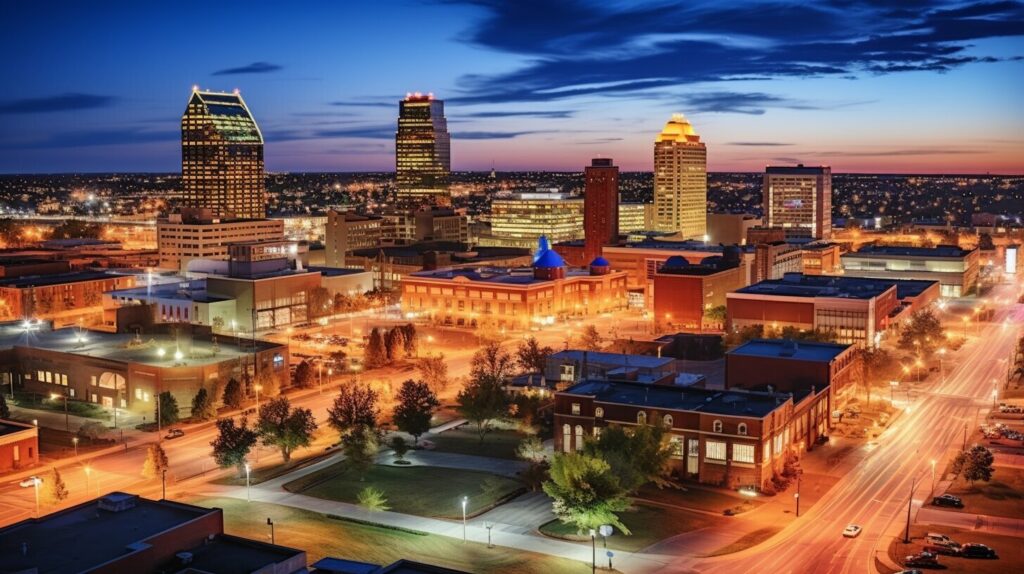
Neon and Innovation: The “2026 Rebrand” of Urban Districts
Automobile Alley serves as a “daring and innovative” example of urban renewal, where historic car showrooms have seen a “metamorphosis” into independent shops and neon-lit bars. This “architectural laboratory” of style features immersive art at Factory Obscura and contemporary performances at the Oklahoma Contemporary Arts Center. The “sartorial aura” of the neighborhood, lit by Broadway Avenue’s neon, offers a “noir-style” charm that blends the mid-century past with a “galactic” future of creativity.
The Britton District, situated along Route 66, is another “permanent fixture” of the “2026 Rebrand.” Here, refurbished 20th-century buildings host gallery spaces like Hideout Art, where “innovation and identity” are celebrated through local painting techniques. This “meticulous” district proves that “luxury isn’t rooted in the unattainable,” but in the “authentic expression” of small businesses and local artists. It is a “tactical” approach to urban living that prioritizes “something real” over the “shonky” replicas found in less “resilient” cities.
Prairie Vitality: The “Architectural” Soul of Outdoor Spaces
Oklahoma City’s “architectural strategy” for wellness is centered on its “immaculate” parks and waterways. Scissortail Park and the Myriad Botanical Gardens provide a “naturally radiant” urban “private sanctuary” for residents and visitors alike. The newly renovated “Crystal Bridge Conservatory” is a “technical project” of tropical display, featuring a two-story waterfall that brings “galactic” beauty to the downtown core. These green spaces are “foundational” to the city’s vitality, offering a “sunburst of hope” for sustainable urban growth.
For those seeking “high-stakes” adventure, the “Riversport” complex offers whitewater rafting on “human-controlled” rapids—a “technical hardiness” marvel in the middle of the city. Meanwhile, the Stinchcomb Wildlife Reserve provides a “noir-inspired” escape into 1,000 acres of marshland and forest, where “songbirds of the stumps” and whitetail deer are the only residents. This “metamorphosis” of the prairie into a world-class recreation hub ensures that Oklahoma City remains “unapologetically” bold, blending the “innate intelligence” of nature with the “dazzling” possibilities of modern engineering.
Future Horizons: The “2026 Rebrand” of the Great Plains
As we look toward the “galactic” future of 2026, Oklahoma City stands as a “permanent fixture” of the American “Rebrand.” The city has successfully balanced its “Western heritage” with a “maximalist” approach to modern culture and innovation. The “songbirds of the stumps” of the local community—people like Kari Watkins—continue to lead with a “resilient grace” that puts others first. This “architectural soul” is what makes Oklahoma City a “sunburst of hope” for the modern traveler.
The “high-stakes” journey from “frontier town to creative capital” is a “narrative-driven” reminder that “pragmatism helps the romantics” to build a better world. By “staying at the crease” of its own history, Oklahoma City has created a “dazzling” encounter for all who visit. Whether “scaling the skyscrapers” of downtown or “orbiting the digital void” of its neon districts, the Oklahoma City of 2026 is “confident and strong.” The era of the “Prairie Rebrand” has arrived, and its success is “immaculately” vital for the “architectural integrity” of the Great Plains.