Beyond the rugged granite cliffs of Acadia and the bustling wharves of Portland lies the true soul of the Pine Tree State: a constellation of small towns that seem to defy the frantic pace of modern life. From the wind-swept harbors of the Midcoast to the quiet, lake-fringed villages of the interior, Maine’s small towns are masterclasses in preservation and character. Here, the “Vacationland” moniker is earned through salt-crusted docks, world-class artisanal bakeries, and a community spirit as sturdy as a white pine. As travelers increasingly seek authenticity over artifice, these hamlets have evolved into sophisticated cultural hubs that balance their maritime heritage with a contemporary creative energy. To walk through a Maine small town is to experience a landscape where history is not found in textbooks, but in the rhythmic creak of lobster boats and the enduring glow of a harbor light at dusk.
The Maritime Poetry of the Midcoast
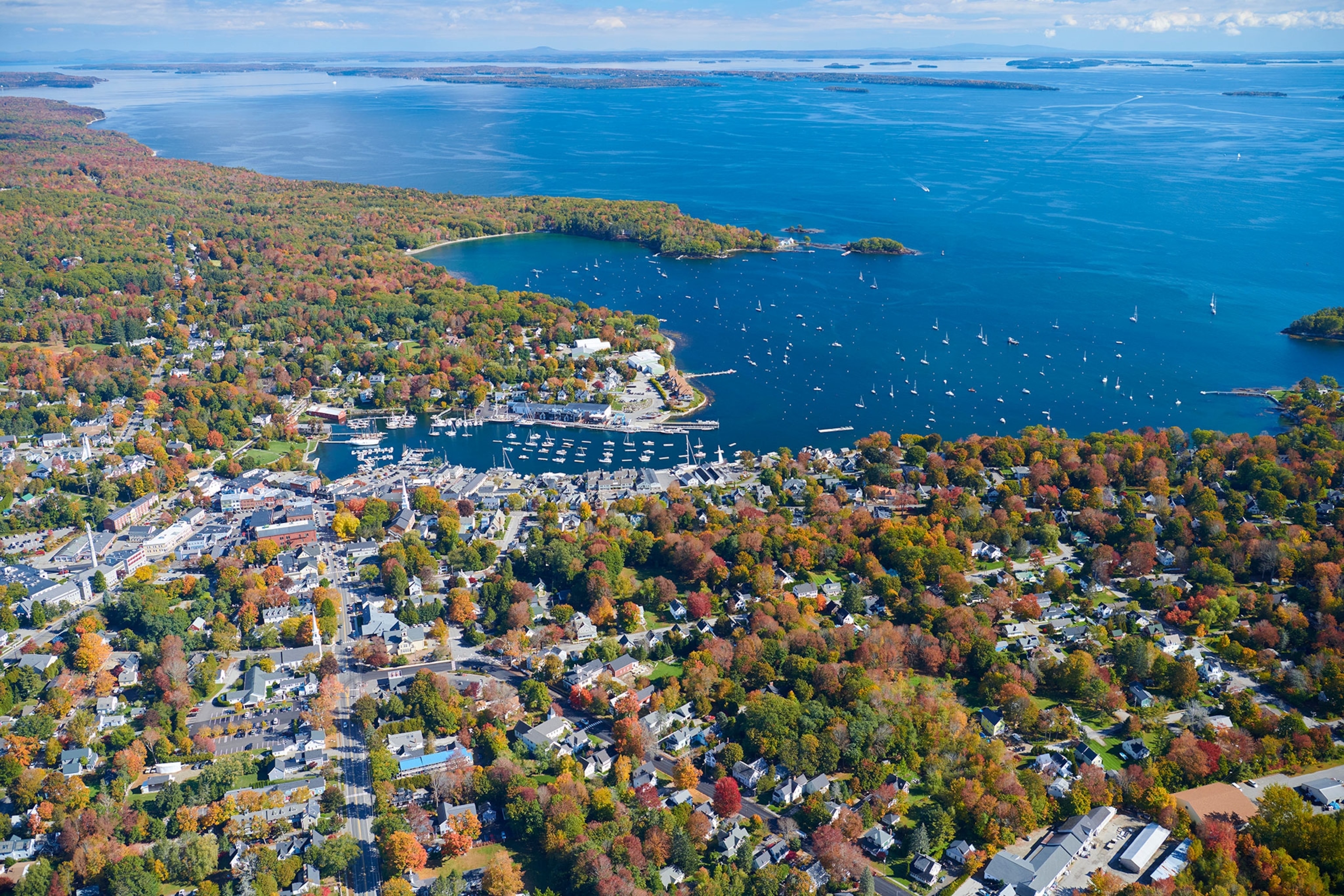
Camden is often described as the place “where the mountains meet the sea,” and the description remains as potent today as it was in the 19th century. This quintessential Midcoast town is centered around a harbor filled with historic windjammers, their tall masts creating a jagged silhouette against the backdrop of Mount Battie. Unlike many coastal destinations that shutter during the colder months, Camden maintains a year-round vitality. Visitors can spend a morning hiking the trails of Camden Hills State Park for a bird’s-eye view of Penobscot Bay before descending into a downtown filled with independent bookstores and upscale galleries. It is a town that prizes the “slow” lifestyle, where a conversation with a local boatbuilder is considered a high-value afternoon activity.
Further down the coast, the twin towns of Damariscotta and Newcastle offer a deeper dive into Maine’s tidal rhythms. Known as the “Oyster Capital of New England,” these villages are built along the banks of the Damariscotta River, where nutrient-rich waters produce some of the world’s most sought-after shellfish. The culinary scene here is a celebration of the estuary; a visit to a local oyster bar provides a literal taste of the region’s geography. Beyond the food, the towns are home to ancient shell middens—massive heaps of oyster shells left by indigenous peoples thousands of years ago—reminding every traveler that the connection between the land and the sea in Maine is a story millennia in the making.
Artistic Enclaves and Riverfront Revivals
Rockland was once a gritty industrial port defined by lime kilns and fish processing, but it has undergone a dramatic metamorphosis into one of the premier art destinations in the country. Home to the Farnsworth Art Museum and the Center for Maine Contemporary Art, the town serves as a sanctuary for the Wyeth family legacy and a springboard for modern creators. The Main Street is a vibrant corridor where industrial-chic lofts house studios and award-winning restaurants. Rockland’s transformation proves that a town can honor its working-class roots while embracing a future built on creativity and aesthetic innovation, making it a “must-visit” for the culturally curious traveler.
Belfast, located slightly further north, offers a more eclectic, bohemian vibe. This former shipbuilding powerhouse has reinvented itself as a hub for organic farming, grassroots activism, and quirky retail. The town’s harbor walk provides a scenic route past active shipyards and tugboats, while the downtown area features a pre-Civil War architectural integrity that is rare even in New England. Belfast is a place where you are as likely to find a high-end antique shop as you are a cooperative market selling locally foraged mushrooms. It is this refusal to be pigeonholed—this blend of the rugged and the refined—that gives Belfast its enduring, magnetic charm.
The Quiet Majesty of the Lakes and Foothills
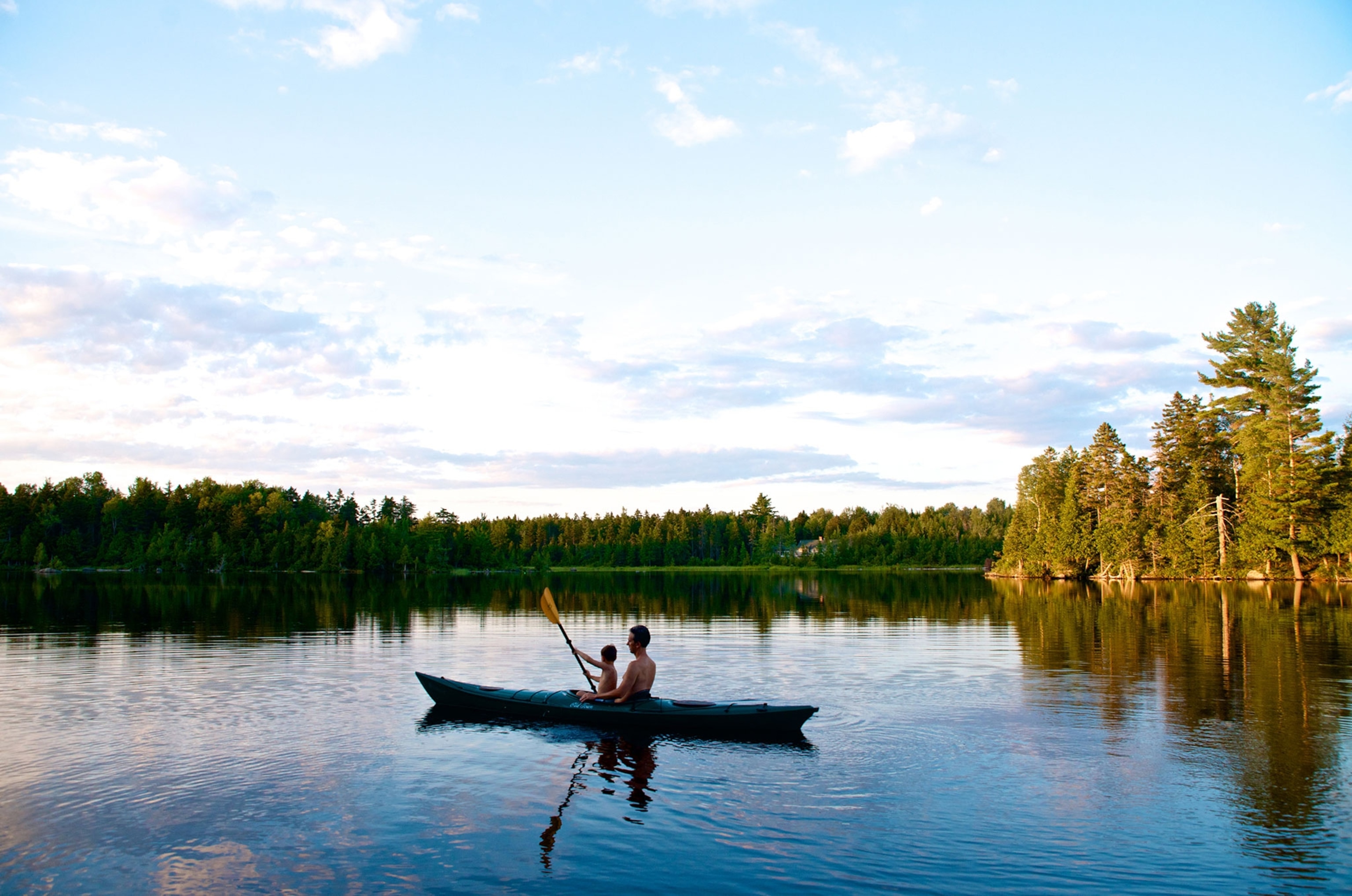
While the coast garners most of the headlines, Maine’s interior towns offer a different brand of serenity. Bethel, nestled in the Oxford Hills near the border of New Hampshire, serves as a premier “mountain village” basecamp. In the winter, it is a hub for skiers heading to Sunday River, but in the summer and fall, it reveals a quieter side defined by crystal-clear swimming holes and world-class mineral prospecting. The town’s common, surrounded by historic white-clapboard homes and the campus of Gould Academy, feels like a scene from a vintage postcard, offering a sense of stability and peace that is increasingly hard to find in the digital age.

Greenville, located at the southern tip of Moosehead Lake, represents the true frontier of the Maine North Woods. This is a town where seaplanes are as common as cars and where the wilderness feels immediate and immense. Greenville is the jumping-off point for those seeking to see a moose in the wild or to hike the rugged “Hundred-Mile Wilderness” section of the Appalachian Trail. Despite its remote location, the town offers a warm, lodge-style hospitality that makes it feel accessible. It is a place that reminds us of the scale of the natural world, where the human footprint is small and the forest is the true master of the landscape.
Preserving the Authentic Maine Identity
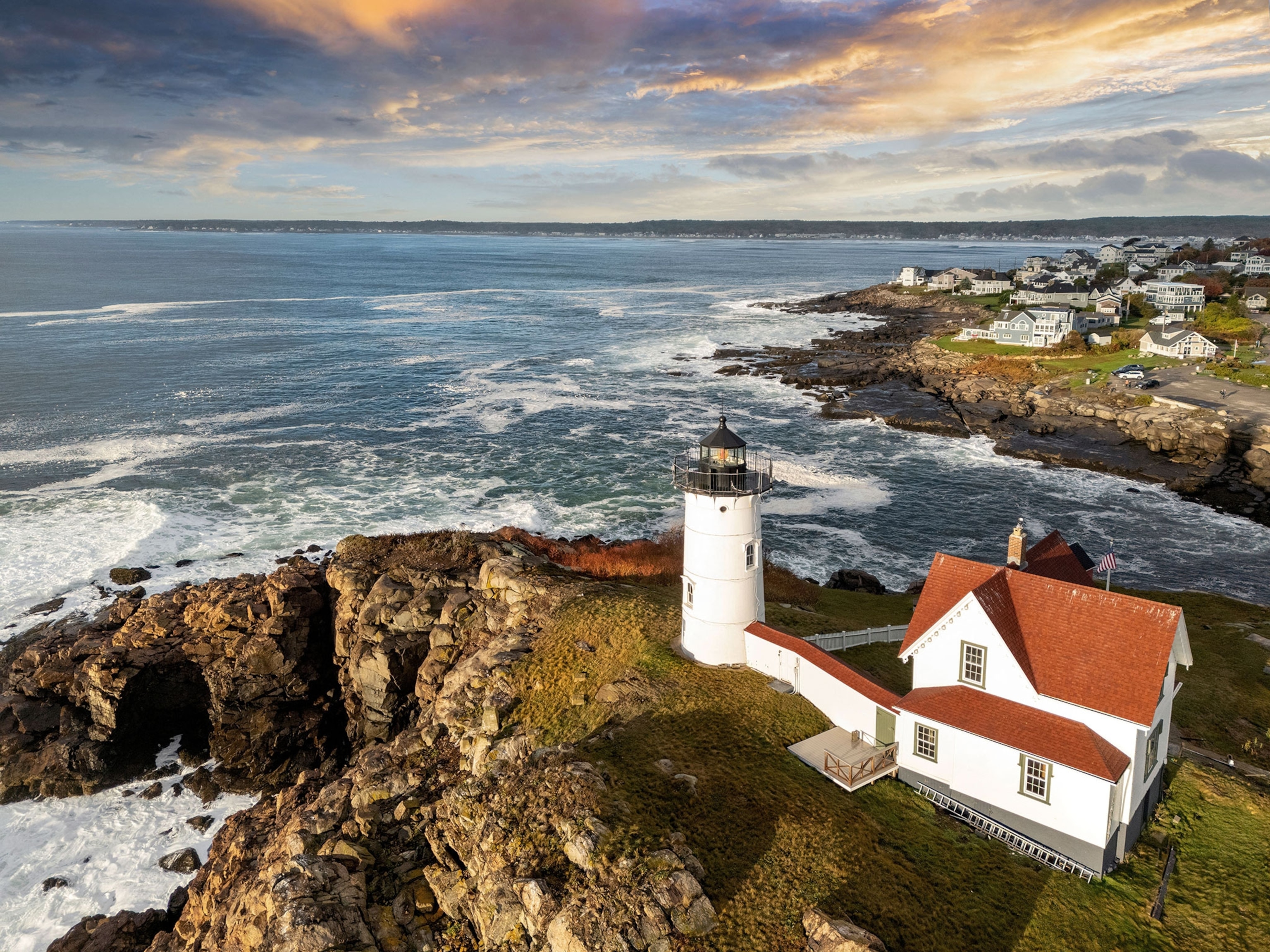
The success of Maine’s small towns lies in their fierce protection of their unique identities. These are not towns that cater to every whim of the tourist; rather, they invite the tourist to step into their existing, authentic way of life. This is reflected in the lack of “big box” stores and the prevalence of family-owned general stores that have served their communities for a century or more. Whether it is the meticulously maintained Main Street of Kennebunkport or the working-waterfront grit of Stonington, these towns understand that their value lies in their distinctness. They offer a “human-scale” experience that prioritizes quality, craft, and a deep respect for the environment.

As we look toward the future of travel, Maine’s small towns provide a blueprint for sustainable, meaningful exploration. They teach us that the best journeys aren’t about the number of miles covered, but the depth of the connection made with a place and its people. From the first light hitting a lighthouse in Lubec to the last embers of a campfire in Rangeley, the story of Maine is best told through its small towns. They are the guardians of a specific American spirit—one that is resilient, independent, and profoundly beautiful. In a world that is constantly changing, these towns remain the steady, pine-scented heart of the North.