When the Siberian winds sweep across the Sea of Japan, they carry more than just a chill; they bring the lightest, driest snowflakes on Earth to the northernmost island of Hokkaido. This is a land where winter is not a season to be endured, but a vibrant festival of life to be celebrated. From the sapphire depths of Lake Shikaribetsu, where an entire village of ice rises from the frozen surface, to the steaming thermal springs of Jozankei, Hokkaido in winter is a study in contrasts. It is a place where traditional Ainu culture meets modern ecological wonders, and where the silence of a snow-covered birch forest is broken only by the rhythmic dance of the red-crowned cranes. As the world increasingly seeks authentic, nature-driven travel, Hokkaido stands as a testament to the beauty of the extreme, offering a sensory journey through ice, fire, and the enduring spirit of the north.
The Architecture of Ice and Light
In the heart of Hokkaido’s Daisetsuzan National Park, the arrival of deep winter signals the construction of one of the world’s most ethereal settlements: the Lake Shikaribetsu Igloo Village. Unlike temporary festivals elsewhere, this village is a fully functioning community of ice, featuring a chapel, a bar where drinks are served in hand-carved ice glasses, and even a steaming “onsen” (hot spring) bath set directly into the frozen lake. The engineering required to maintain these structures is a feat of local ingenuity, utilizing the lake’s pristine water to create bricks of exceptional clarity. At night, the village glows from within, casting a surreal, translucent light against the obsidian sky, creating an atmosphere that feels less like a tourist destination and more like a scene from a forgotten folk tale.
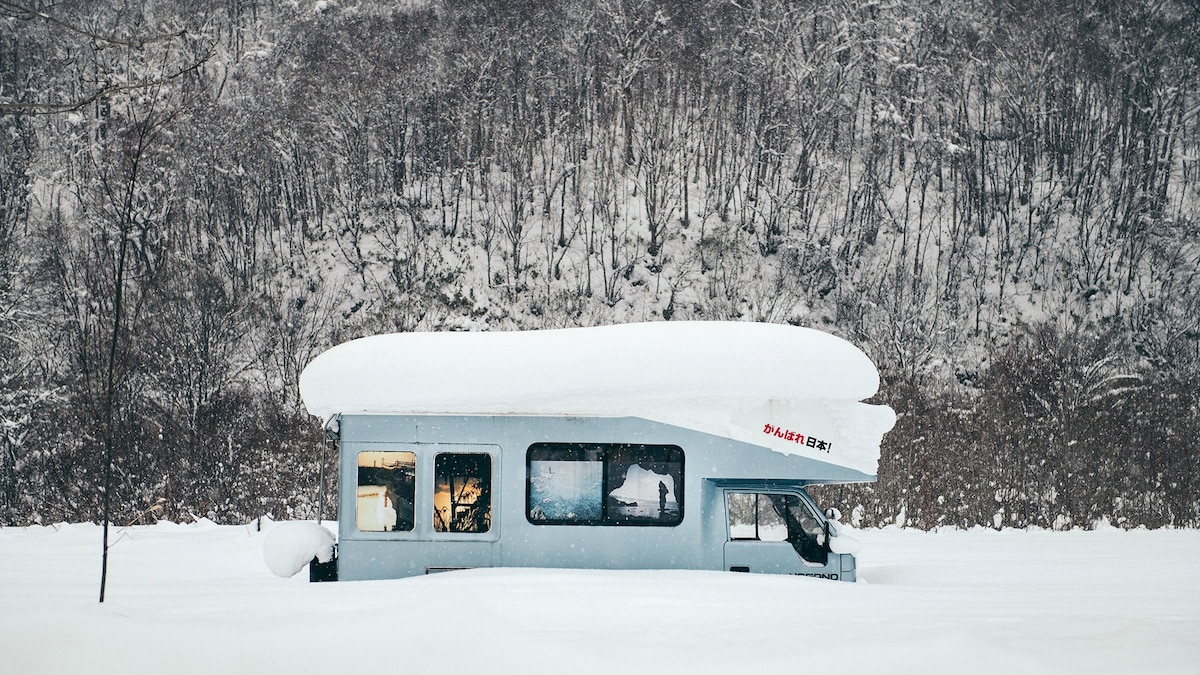
Further south, the city of Sapporo undergoes its own metamorphosis. The Sapporo Snow Festival, an event that began in 1950 with just six statues built by high school students, has evolved into a global phenomenon. Today, international teams compete to carve massive, intricate replicas of world landmarks and mythological figures from thousands of tons of snow. The scale is staggering—some structures reach five stories high—yet the detail remains delicate. Beyond the spectacle, the festival serves as a communal hearth, bringing together locals and travelers over bowls of steaming miso ramen and grilled scallops, proving that the harshest temperatures can foster the warmest human connections.
A Sanctuary for the Rare and Radiant
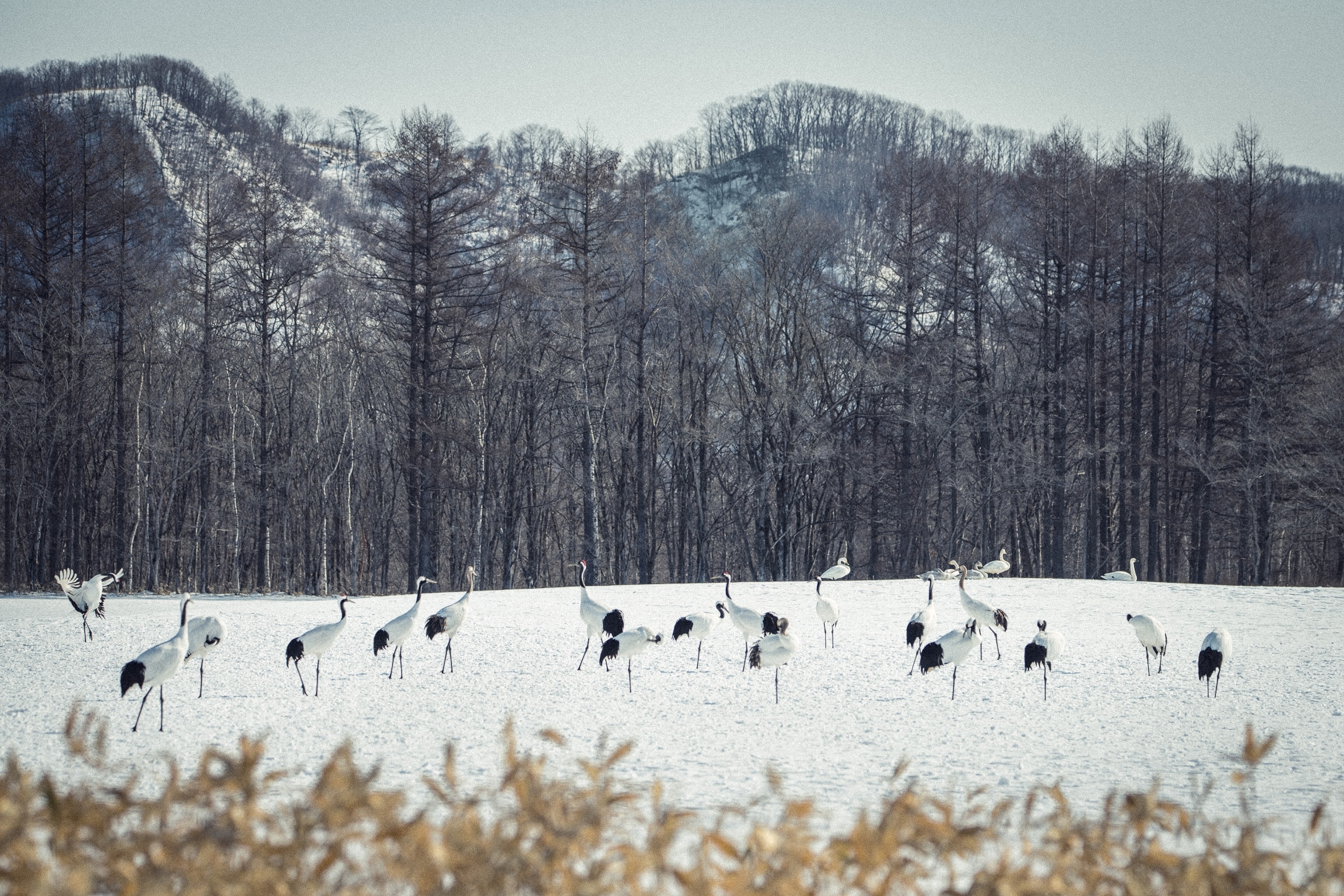
While human creativity flourishes in the cold, Hokkaido’s wildlife provides a spectacle that is equally captivating and far more ancient. In the marshlands of Kushiro, the Japanese red-crowned crane—a symbol of longevity and fidelity—performs its elegant mating dance amidst the snow. Once thought to be extinct in Japan, these “snow ballerinas” have made a miraculous recovery thanks to dedicated local conservation efforts. Watching a pair of cranes bow and leap against a backdrop of frosted reeds is a primal experience, a reminder of the delicate balance between the island’s residents and its environment.
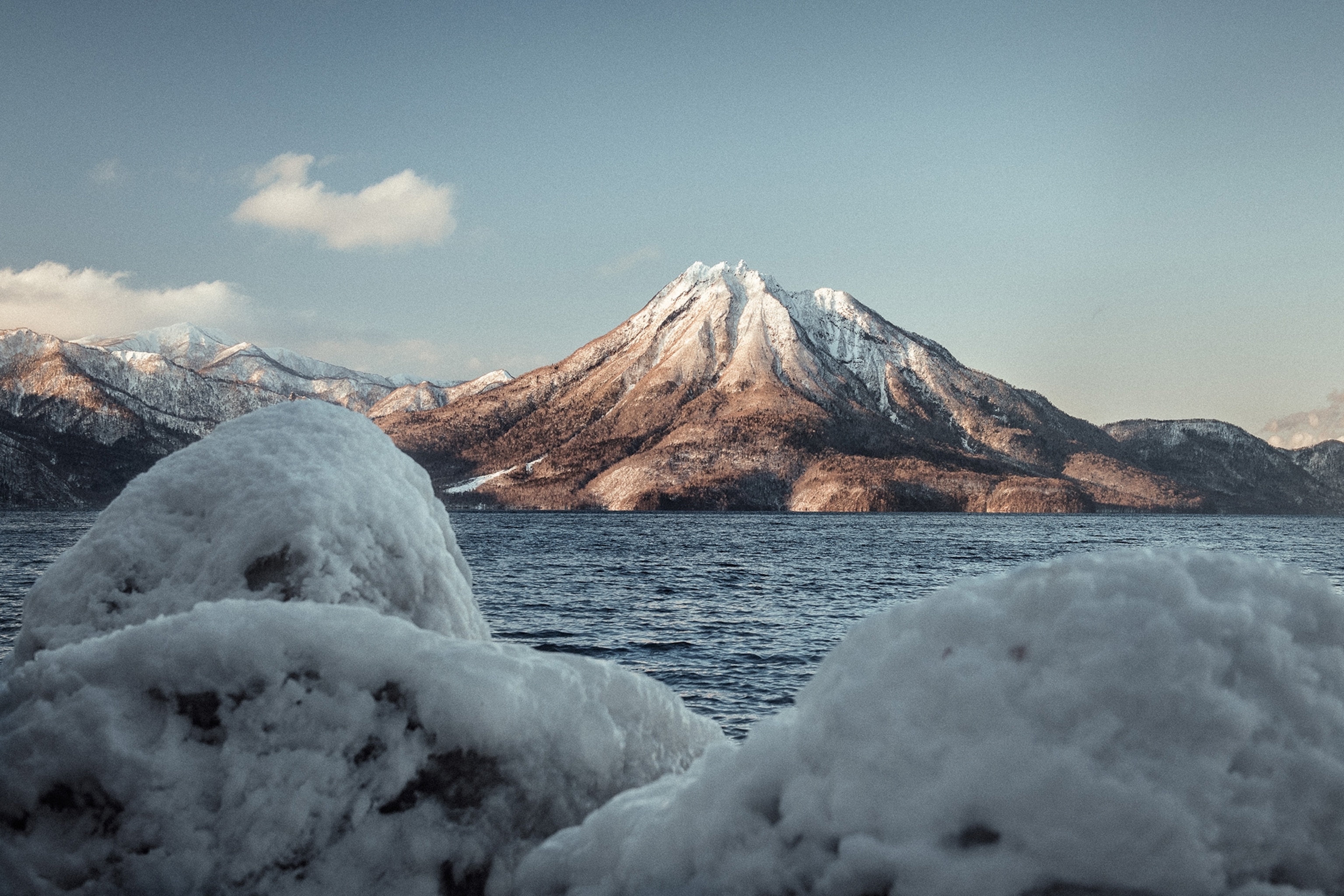
The coastal regions offer a different kind of wild encounter. In the Shiretoko Peninsula, a UNESCO World Heritage site, the arrival of “ryuhyo” or drift ice from the Amur River in Russia transforms the Okhotsk Sea into a jagged, white desert. This ice brings with it a nutrient-rich feast that supports a diverse ecosystem, including the magnificent Steller’s sea eagle. With a wingspan of up to eight feet, these raptors perch upon the floating ice floes, their dark plumage contrasting sharply with the white landscape. For the adventurous traveler, walking—or even “ice-swimming” in dry suits—among these giant floes offers a perspective of the ocean that is rarely seen, highlighting the raw, geological power of the North Pacific.
The Healing Power of Volcanic Heat
To truly understand Hokkaido’s winter, one must embrace the “onsen” culture, which serves as the island’s spiritual and physical antidote to the cold. The geography of Hokkaido is defined by its volcanic activity, resulting in a wealth of mineral-rich thermal springs that dot the landscape. In Jozankei, located in a lush valley near Sapporo, the steam rising from the riverbanks mingles with falling snowflakes, creating a misty, dreamlike veil over the town. Here, the ritual of the outdoor bath, or “rotenburo,” is elevated to an art form. Soaking in 40-degree water while the surrounding rocks are piled high with powder snow is a quintessentially Japanese experience that balances the body’s internal heat with the external freeze.
These springs are more than just a luxury; they are a bridge to the past. Many of the most celebrated onsen ryokans (traditional inns) have been operated by the same families for generations, preserving a way of life that prizes silence, seasonality, and “omotenashi”—the Japanese art of selfless hospitality. The meals served in these inns are a celebration of Hokkaido’s winter bounty: kinki fish, king crab, and earthy root vegetables, all harvested from the island’s fertile volcanic soil or its frigid, nutrient-dense seas. This cycle of extreme cold followed by intense warmth and nourishment forms the rhythmic heartbeat of a Hokkaido winter.
Preserving the Spirit of the Ainu
As Hokkaido moves toward a more sustainable future of tourism, there is a renewed focus on the voices of the Ainu, the indigenous people of the island. For the Ainu, winter is a sacred time governed by the “kamuy”—the spirits that reside in all things, from the bears in the mountains to the fire in the hearth. In the Lake Akan region, visitors can engage with Ainu culture through traditional music, woodcarving, and storytelling that emphasizes a profound respect for nature. This indigenous perspective offers a necessary counterpoint to modern development, teaching that the snow is not an obstacle to be cleared, but a gift from the spirits that purifies the land.
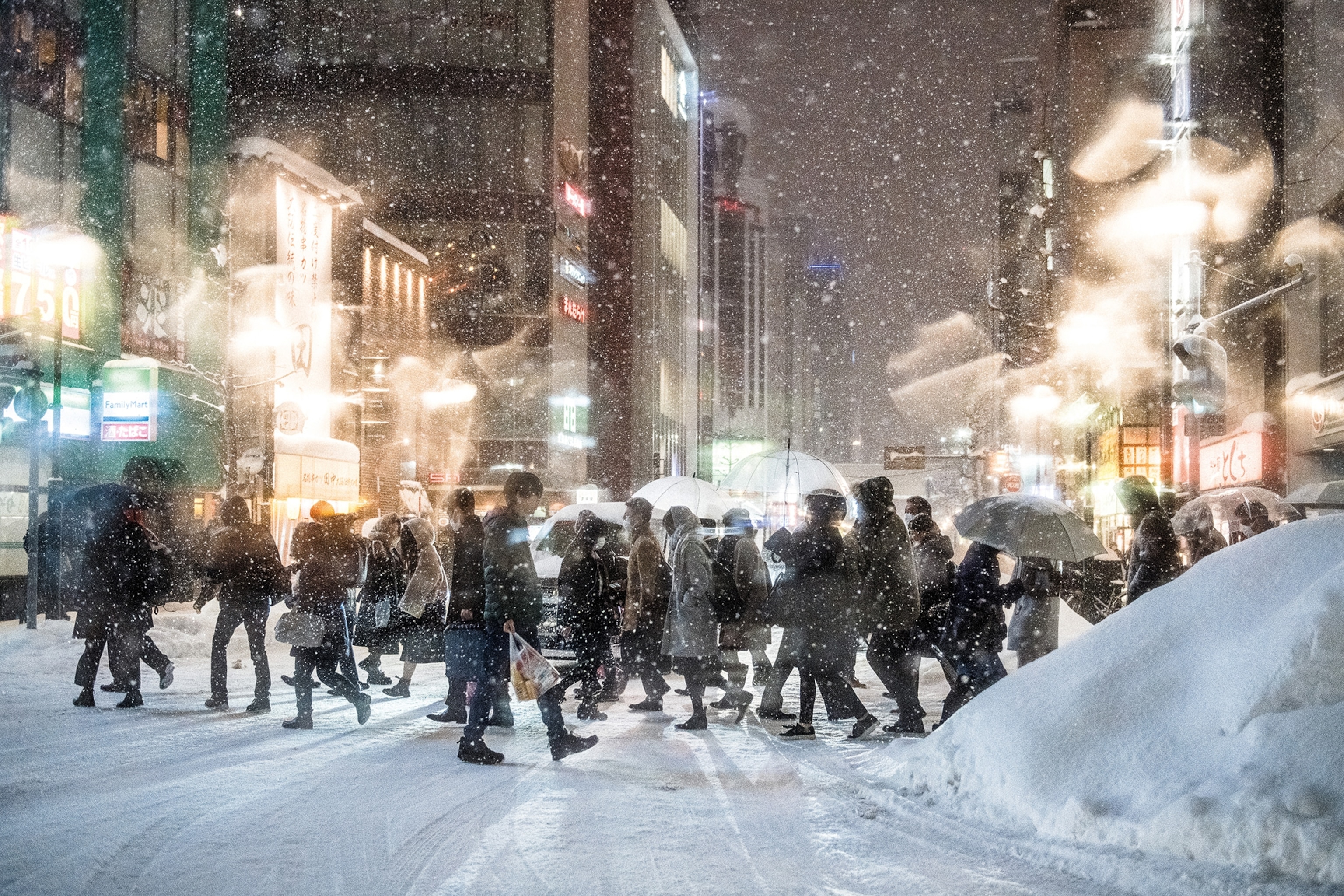
The modern Hokkaido experience is increasingly shaped by this marriage of tradition and innovation. From eco-resorts that utilize geothermal energy to boutique distilleries producing world-class whisky using mountain meltwater, the island is proving that a cold climate can be an engine for creativity. As the spring sun eventually begins to melt the drifts, it reveals a land that has been rested and renewed by the long white sleep. But for those who have walked through its frozen forests and soaked in its hidden springs, the memory of Hokkaido’s winter remains—a vivid, shimmering proof that life does not just survive in the cold; it truly, spectacularly blooms.