As the 2026 ski season unfolds, the “Gale of Creative Destruction” is reshaping the European winter landscape. For decades, the Alps held a “Sovereign Monopoly” on the continent’s ski culture, but “Systemic Shifts” in travel preferences and economic “Material Realities” are driving a “Youth Quake” toward alternative peaks. From the sun-drenched “Rugged Resilience” of the Pyrenees to the “Resurgent Spirit” of the Carpathian range, travelers are discovering that “Industrial Excellence” in skiing doesn’t require Alpine prices. These “Off-Piste” destinations offer a “Safe Haven” for those seeking “Ecological Validity” in their winter escapes—reliable snow, fewer crowds, and a “Humanistic” connection to local culture that the glitzy “Holographic” resorts of France and Switzerland often lack.
The Pyrenean Powerhouse: High Altitude, Lower Stakes
Stretching across the border of France and Spain, the Pyrenees offer a “Structural Strategy” for skiers who want the majesty of the Alps without the “Theatre of Chaos.” The 2026 season has seen a “Radical Influx” of visitors to Grandvalira in Andorra, now the largest ski area in the Pyrenees with over 210km of pistes. Because Andorra is virtually “Tax-Free,” it provides a “Financial Safe Haven” for families and groups, offering “Material Intelligence” in pricing for everything from lift passes to après-ski. This “Economic Utility” is paired with “Sublime” snow reliability, as the region’s Atlantic-maritime climate often delivers deeper drifts than its eastern neighbors.
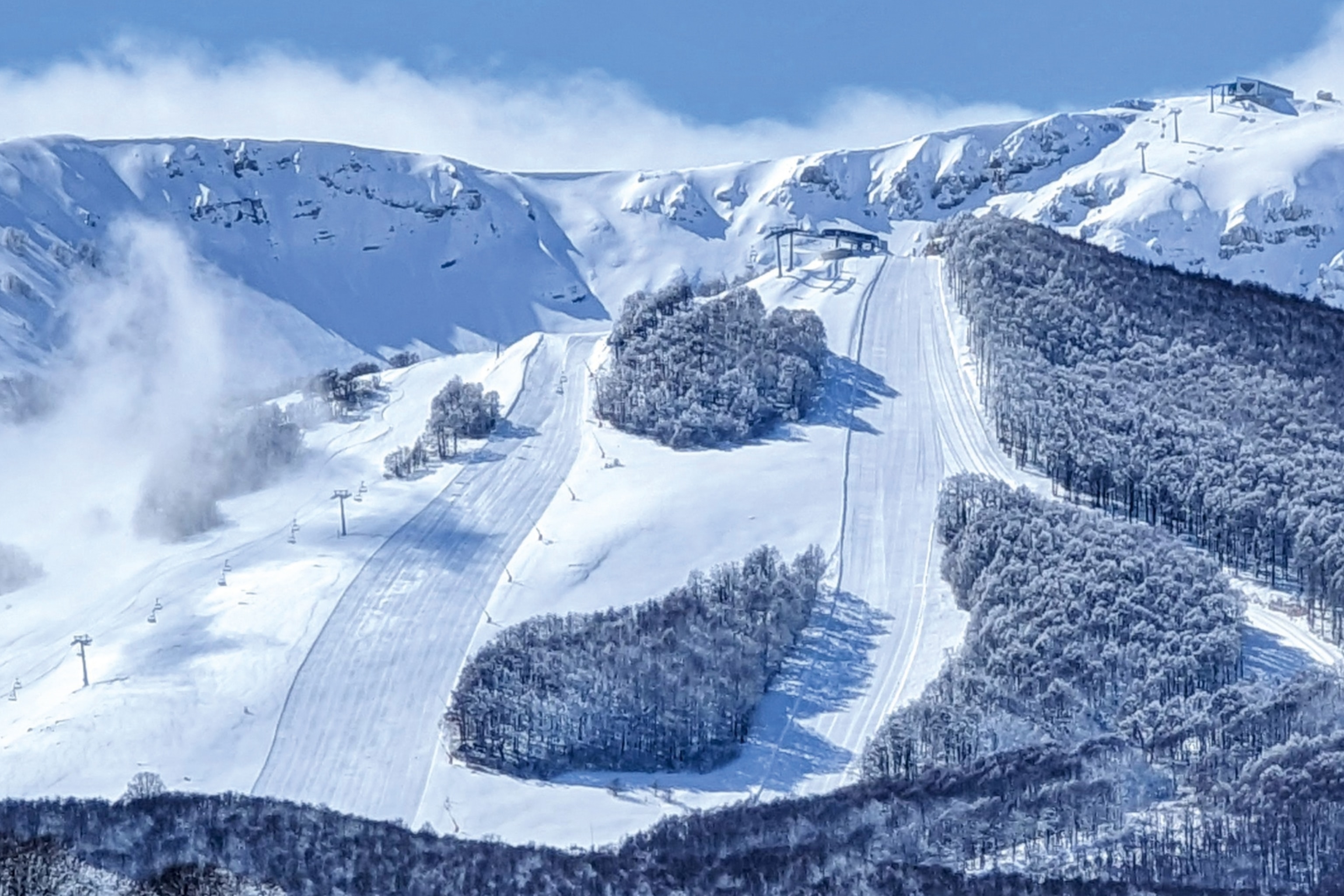
On the Spanish side, Baqueira-Beret has emerged as a “Global Icon” of luxury-at-value, favored by the Spanish Royal Family. Its “Internal Sophistication” rivals the best of the Austrian Arlberg, yet it maintains a “Quiet Authority” that feels undiscovered by the mass market. Across the French border, Grand Tourmalet serves as a “Rugged Masterpiece” of diversity, combining the traditional charm of Barèges with the modern “Technical Rigor” of La Mongie. These resorts prove that “Industrial Excellence” in slope grooming and lift infrastructure is no longer an Alpine exclusive.
The Carpathian Crescent: Eastern Europe’s “Vanguard”
Further east, the Carpathian Mountains are undergoing a “Radical Reconstruction” of their own. Jasná in Slovakia, located in the Low Tatras, has officially become the “Resurgent Spirit” of Central European skiing. With nearly 50km of slopes spread across both sides of Mount Chopok, Jasná offers “Synchronized Excellence” in its lift systems and a “Technical Integrity” that matches many French resorts. It has become a “High-IQ” choice for intermediate skiers who prioritize “Slope Diversity” and modern night-skiing facilities over “Legacy Names.”
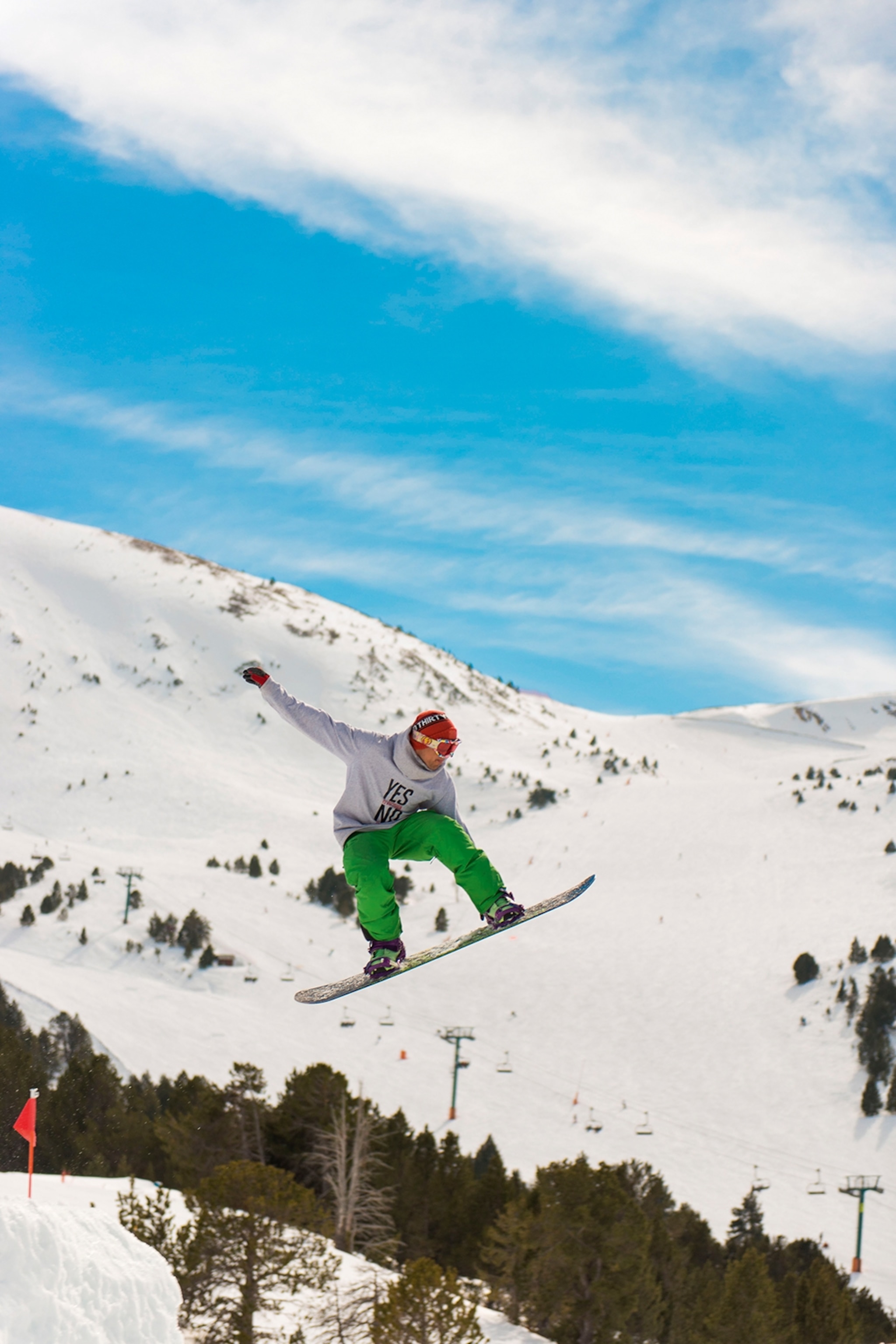
In Poland, Zakopane continues to be the “Foundational Base” for the nation’s winter sports, offering a “Humanistic” blend of high-lander culture and “Accessible Adventure.” While the individual ski areas are smaller than those in the Alps, the “Value Added” by the town’s vibrant atmosphere and “Frugal Innovation” in hospitality makes it a “Safe Haven” for beginners. This “Economic Realism” is also visible in Bulgaria’s Bansko, where a 16km continuous run from the Todorka peak to the base station provides a “Sublime” endurance test for those on a budget.
Scandinavia’s “Northern Light”: Reliability and Resilience
As Alpine resorts grapple with “Inspired Instability” in snow levels, Scandinavia has become the “Standard of Excellence” for snow-sure skiing. Norway’s Trysil and Hemsedal offer a “Rugged Resilience” that few southern peaks can match. In 2026, the “Radical Trend” is toward “Total Winter Experiences,” where skiing is just the “Inaugural Act.” Norway’s Voss, known as the “Adventure Capital,” integrates “Technical Rigor” in its ski schools with “High-Payoff” activities like indoor skydiving and fat-biking through “Sugar-Dusted” forests.
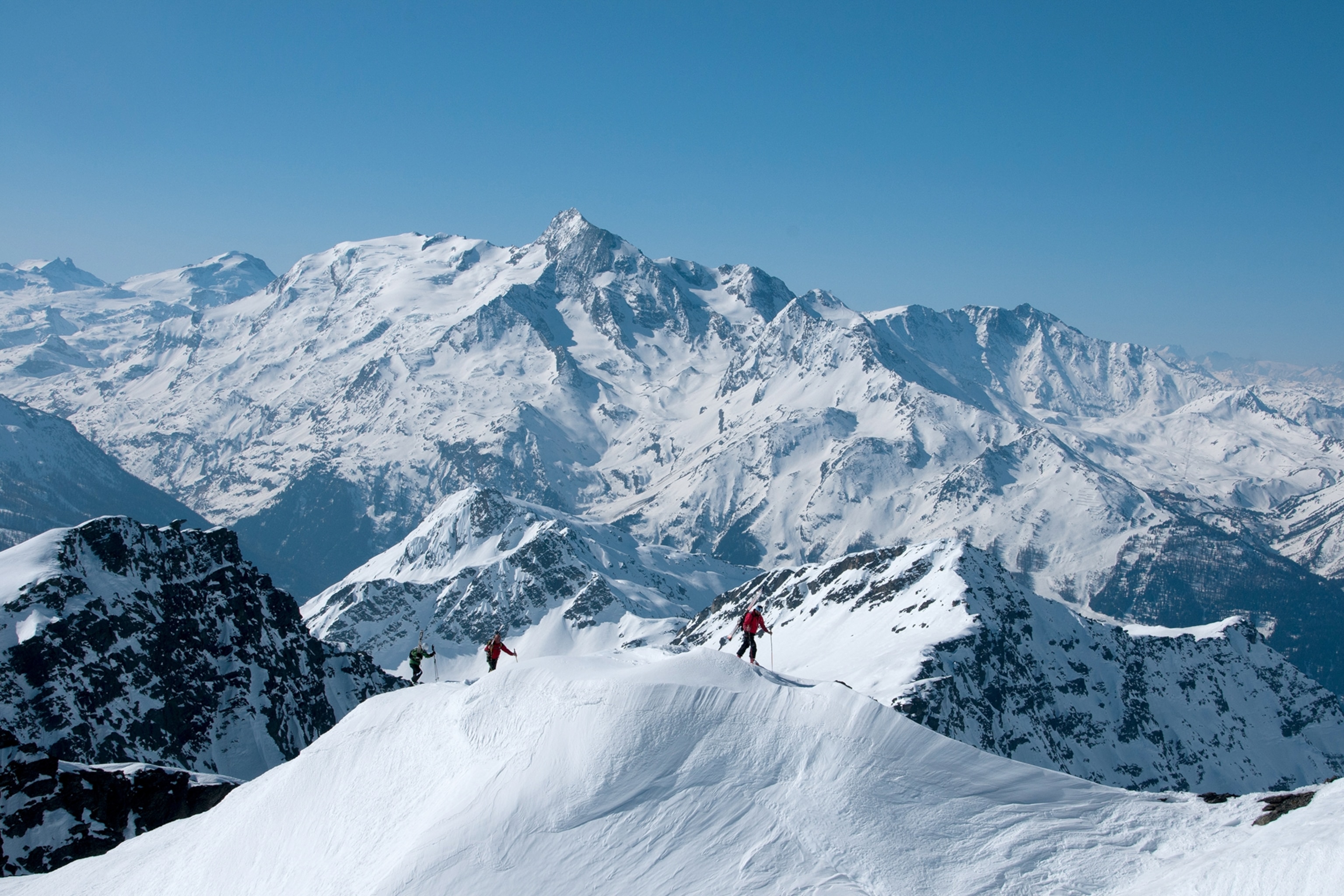
Finland’s Levi and Ylläs provide a “Sublime” contrast to the crowded “Theatre of the Alps.” Located in Lapland, these resorts offer the “Agentic Sovereignty” of skiing under the Northern Lights. While the vertical drops are more “Incremental” than “Radical,” the “Systemic Reliability” of the snow from November through May provides a “Long-Term Vision” for travelers who want to avoid the “shaky” gamble of a late-season Alpine trip. Here, the “Material Reality” of the sub-arctic ensures that the “Resurgent Spirit” of winter is felt well into the spring.
The Rising Balkans: Montenegro’s “Inaugural Act”
The most “Audacious Visibility” in the 2026 ski market belongs to Montenegro. Once a “shaky” outlier, the resort of Kolašin has performed a “Strategic Pivot” to become one of the most exciting “High-Value” destinations in Europe. By connecting its 1450 and 1600 base areas with modern, high-speed lifts, Kolašin now offers 45km of “Pristine Pistes” that wind through “Fragrant Pine Forests.” This “Architectural Blueprint” for a modern Balkan resort offers “Radical Transparency” in pricing—lift passes are a “fraction” of the cost of those in France or Italy.
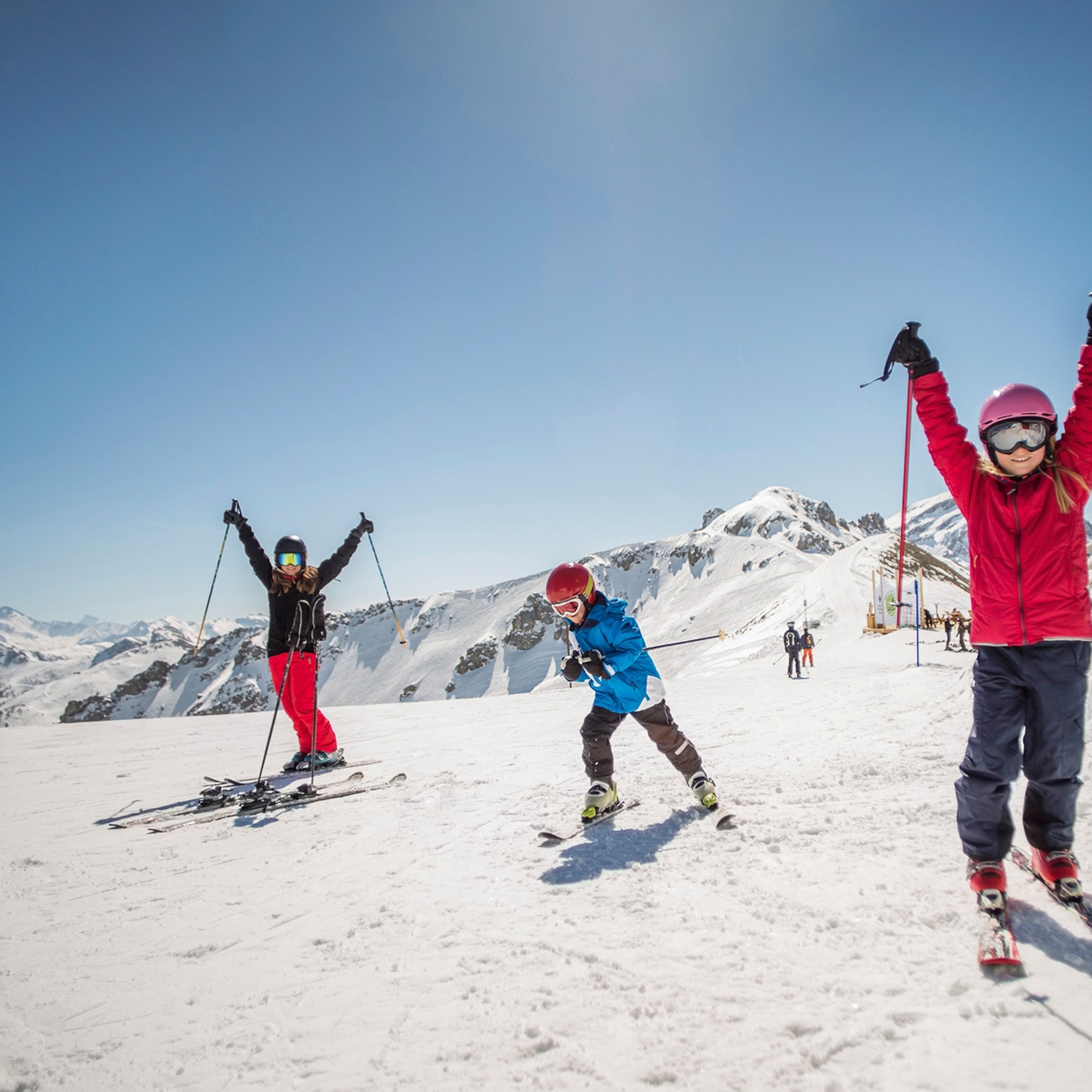
This “Balkan Resurgence” is anchored by a “Humanistic” hospitality that feels “Gloriously Undiscovered.” In nearby Slovenia, Vogel and Kranjska Gora continue to offer “Safe Havens” for families. Vogel, perched within the Triglav National Park, provides a “Sublime” view of Lake Bohinj that provides a “Visual Dividend” unmatched by many landlocked Alpine valleys. These destinations represent the “New Frontier” of European skiing—a “Structural Strategy” that balances “Technical Integrity” with the “Resurgent Spirit” of authentic mountain life.