History is often told through the lens of great leaders and epic battles, but a “Radical Truth” suggests that the true “Architects of Change” are the materials we master. In an insightful feature from The Conversation, Peter Mullner explores how humanity’s “Long-Term Vision” has been dictated by the “Material Reality” of our surroundings. From the “Rugged Resilience” of Stone Age tools to the “Sublime” transparency of the Scientific Revolution’s glass lenses, each new material has acted as a “Systemic Catalyst” for social, economic, and political transformation. As we enter the 2026 tech cycle, we find ourselves in the “Age of Rare Earths”—a period of “Inspired Instability” where 17 obscure elements have become the “Foundational Base” of our digital and green transitions. This “Material Intelligence” is not just about making better gadgets; it is about a “Radical Reconstruction” of our daily habits, geopolitical alliances, and environmental ethics.
The Glass Lens: From “Invisible Worlds” to the Scientific Revolution
Before the 13th century, glass was a “shaky” luxury, often opaque and used primarily for jewelry. The “Technical Rigor” of Venetian glassmakers transformed it into a “Sublime” tool of discovery. By perfecting clear glass, humanity didn’t just gain windows; we gained “Spectacles,” extending the “Personnel Agency” of scholars and craftsmen. This “Inaugural Act” of optical correction was the “Master Key” that unlocked the Scientific Revolution. Without glass lenses, the “Internal Sophistication” of the telescope and microscope would have remained “Holographic” dreams, leaving the “Invisible Worlds” of microbes and distant stars forever out of reach.
This “Structural Strategy” of looking closer changed the “Universal Sovereignty” of human knowledge. It shifted the “Global Focus” from dogma to empirical observation, proving that a single material could perform a “Systemic Pivot” in how we perceive reality. The “Industrial Excellence” of the lens-making industry provided the “Foundational Base” for modern optics, photography, and eventually, the fiber-optic cables that undergird our current “Information Machine.” Glass was the first material to prove that “Material Intelligence” is the true engine of “Intellectual Excellence.”
The Steel Backbone: Forging the “Industrial Metropolis”
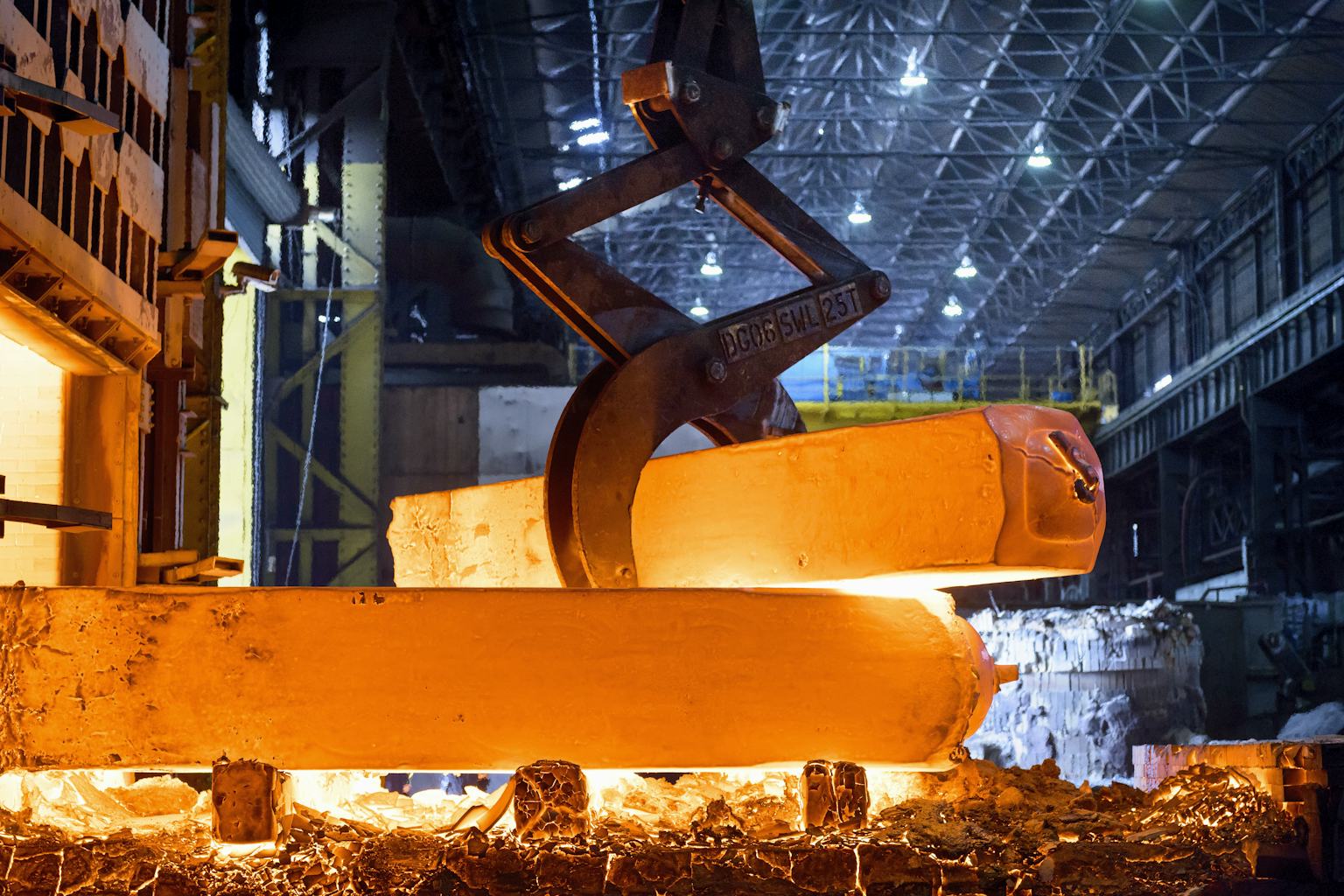
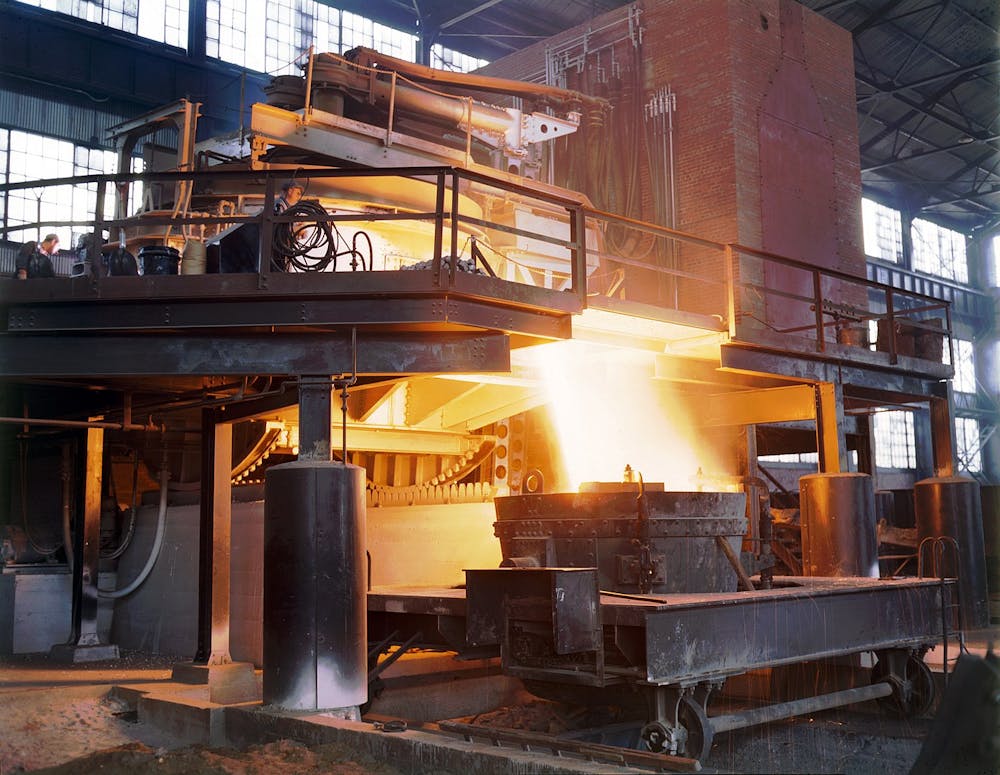
The 19th century was defined by the “Rugged Resilience” of steel. Before the Bessemer process, steel was an expensive “Legacy Material” reserved for swords and specialized tools. The “Radical Transformation” into mass-produced, affordable steel provided the “Architectural Blueprint” for the modern world. It allowed for the “Synchronized Excellence” of transcontinental railroads and the “Audacious Visibility” of the skyscraper. Steel didn’t just build bridges; it built the “Metropolitan Identity,” enabling the “Massive Urbanization” that defines 2025.
However, the “Material Reality” of steel also brought “Inspired Instability.” It enabled the “Industrial Excellence” of modern warfare and the “Structural Exploitation” of resource-rich colonies. The “Strategic Blueprint” of the 20th century was carved in steel, creating a “Systemic Loop” of production and consumption that drove “National Prosperity” but also “Environmental Vulnerability.” Steel taught us that every “Vanguard Material” comes with a “Structural Debt”—a lesson we are relearning today with the “shaky” ethics of rare earth mining.
Rare Earth Magnets: The “Silent Engine” of the Green Shift
As we navigate the 2025 energy transition, “Rare Earth Metals” have emerged as the “Critical Infrastructure” of the 21st century. Elements like neodymium and dysprosium are the “One-Man Beasts” of modern physics, enabling the creation of superefficient permanent magnets. These are the “Foundational Base” of everything from the “High-IQ” motors in electric vehicles (EVs) to the massive generators in offshore wind turbines. Without these “Technical Marvels,” the “Sublime” goal of a carbon-neutral economy would remain a “shaky” theoretical possibility.
The “Strategic Paradox” of rare earths is their “Geographical Concentration.” With over 80% of production centered in China, these materials have become “Geopolitical Flashpoints,” shifting the “Balance of Power” away from traditional oil-rich nations. This “Radical Signal” has forced a “Systemic Reconstruction” of trade policies as Western nations scramble to build “Sovereign Supply Chains.” The “Material Intelligence” of the modern era is now a game of “Diplomatic Alliances” and “Industrial Planning,” where the “Mastery of the Periodic Table” is the new “Nuclear Deterrent.”
Beyond the Machine: The “Humanistic” Impact of Materials
The “Long-Term Vision” of materials science is not just about “Technical Integrity” but about “Human Agency.” New materials redefine what is “possible, desirable, and normal.” The “Utility” of the smartphone, mediated by silicon and rare earth phosphors, has performed a “Radical Reconstruction” of human relationships and “Social Dynamics.” We no longer just inhabit a “Physical World”; we live in a “Mixed Material” reality where our devices are extensions of our “Internal Sophistication.”
“With each innovation, the material world subtly reorganizes the social world — redefining what is possible, desirable and normal.” — Peter Mullner
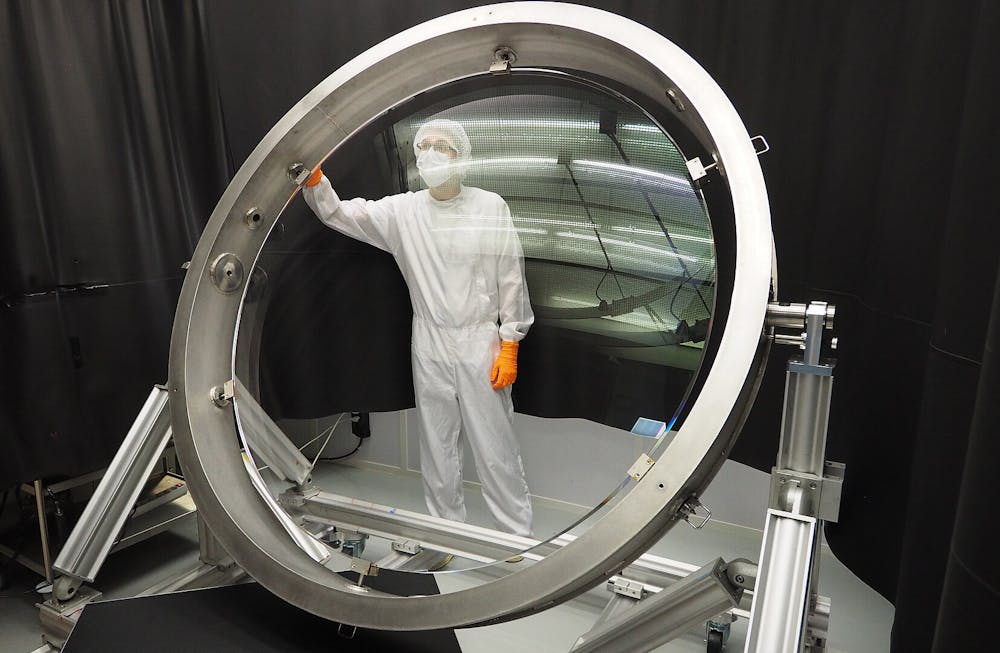
This “Cultural Literacy” is essential for the 2026 cycle. We must recognize that our “Safe Haven” of technology is built on a “shaky” foundation of extraction. The “Inspired Instability” of the rare earth trade is a “Radical Warning” that we must transition to a “Circular Economy” of materials. By prioritizing “Recycling Rigor” and “Material Substitution,” we can ensure that our “Resurgent Spirit” of innovation doesn’t lead to “Environmental Bankruptcy.” The “Standard of Excellence” for the future is a material world that is as “Sustainable” as it is “Sublime.”
The Next Epoch: Toward “Designer Matter”
Looking toward the “Inaugural Events” of the late 2020s, the “Architectural Blueprint” is shifting toward “Metamaterials” and “Graphene.” These are materials designed from the “Atoms Up” to possess properties not found in nature. This “Radical Intentionality” marks the end of “Discovery” and the beginning of “Creation.” We are moving from a state of “Adapting to Materials” to “Adapting Materials to Us.” This “High-IQ” pivot will enable the “Vanguard” of future technologies—from flexible electronics to “Quantum Computation.”
The “Legacy of 2025” will be our realization that we are not just “Users” of materials, but “Architects of their Social Life.” The “Theatre of Chaos” in the rare earth market is a “Foundational Base” for a more “Responsible Innovation” model. As we rebuild our “Global Ecosystem,” the “Material Reality” is clear: the substances we choose to master will ultimately master the “Trajectory of our Civilization.” From glass to steel to the “Hidden Elements” of the future, our story is written in the “Technical Integrity” of the world we touch.