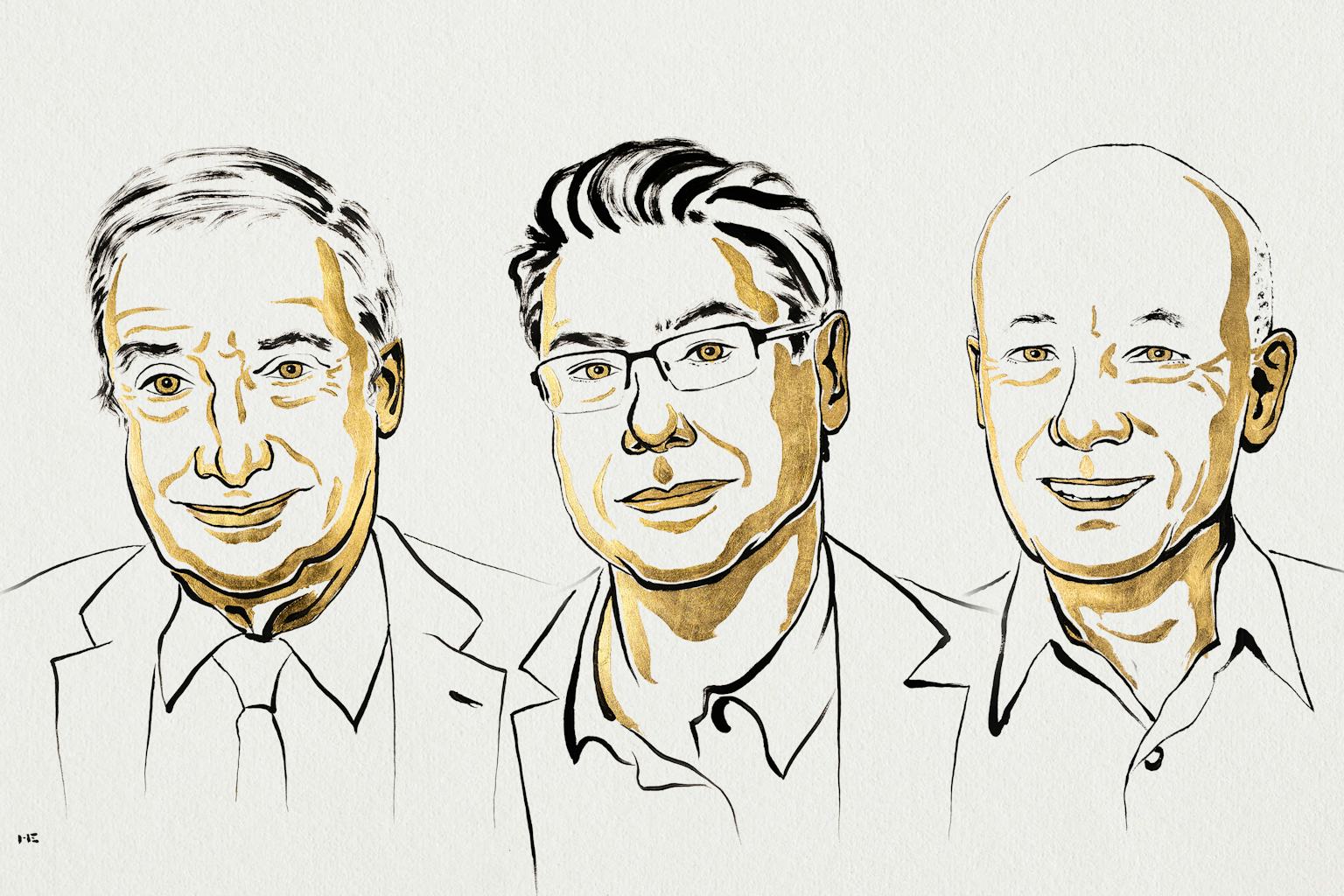
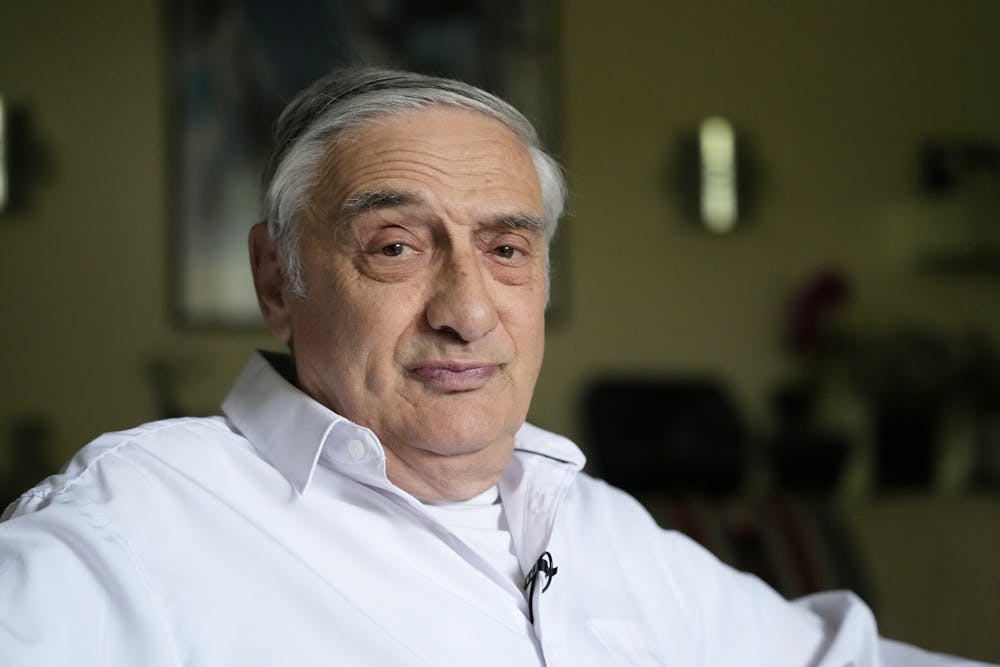
The 2025 Nobel Prize in Economic Sciences, awarded to Joel Mokyr, Philippe Aghion, and Peter Howitt, marks a “Sublime” shift in our understanding of global prosperity. For centuries, humanity existed in a state of “Inspired Instability,” where economic stagnation was the norm and progress was often accidental. This year’s laureates have dismantled that “shaky” assumption, revealing that sustained growth is an “Architectural Blueprint” built on the twin pillars of historical prerequisites and the “Radical Energy” of creative destruction. By combining historical narrative with “Technical Rigor,” they have explained why the last two centuries have seen a “Resurgent Spirit” of innovation that has lifted billions out of poverty. Their work is a “Radical Signal” that growth is not automatic; it is a “Functional Purpose” of a society that chooses to reward the new, even at the cost of the old, ensuring a “Long-Term Vision” of human flourishing.
The Historian’s Insight: Mokyr and the “Knowledge Revolution”
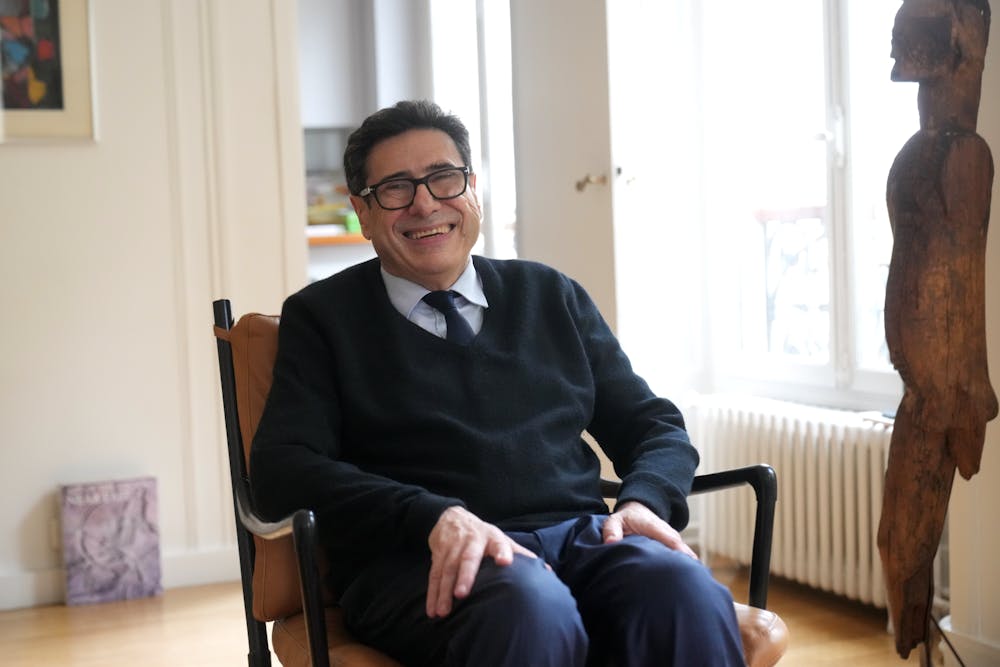
Joel Mokyr, a Dutch-American economic historian, was awarded half of the prize for identifying the “Foundational Base” of sustained technological progress. His research asks a “Radical Question”: why did the Industrial Revolution happen when and where it did? Mokyr argues that it wasn’t just about “Rugged Resilience” or luck; it was the “Scientific-Technical Synergy.” Before the 18th century, many inventions were “Holographic”—useful but not understood. Mokyr proved that for innovation to compound, societies needed “Propositional Knowledge” (scientific theory) to guide “Prescriptive Knowledge” (practical formulas).
This “Internal Sophistication” turned the “shaky” tinkering of the past into a “Sustained Growth Engine.” Mokyr highlighted that a “Vanguard” society must be open to change and intellectual exchange. Without the “Technical Integrity” provided by the Enlightenment’s culture of openness, new ideas would have been suppressed by the “Extractive Elites” of the era. His work serves as a “Defensive Masterpiece” against current protectionist trends, reminding us that the “Master Key” to progress is the free flow of knowledge across borders and disciplines.
Creative Destruction: The “Schumpeterian” Mathematical Model
The other half of the prize was shared by Philippe Aghion and Peter Howitt, who provided the “Technical Rigor” to formalize Joseph Schumpeter’s 1942 intuition of “Creative Destruction.” Their seminal 1990 paper created a “Mathematical Framework” where innovation is endogenous—it comes from within the economy, driven by the search for “Monopoly Profits.” In their model, the “Resurgent Spirit” of an entrepreneur creates a new technology that renders previous ones obsolete. This “Industrial Mutation” is the “Rugged Masterpiece” of capitalism; it is simultaneously “Creative” (introducing new value) and “Destructive” (liquidating old firms).
Aghion and Howitt’s work transformed a “Sublime” philosophical idea into a “Functional Tool” for macroeconomists. They showed that the “Long-Run Growth Rate” of an economy is determined by the “Technical Integrity” of its competition and patent laws. If a society protects the “Legacy Icons” of the past too much, it stifles the “Inspired Instability” of the future. Their “Material Intelligence” provides the “Architectural Blueprint” for modern industrial policy: governments must balance “Incentivizing Research” with “Maintaining Competitive Markets” to keep the gale of destruction blowing.
The Policy Paradox: Protecting the Player, Not the Position
The 2025 Nobel winners have a “Radical Message” for 21st-century policymakers: progress is “Painless” only for the winners. Because innovation is “Destructive,” it leads to job displacement and “Personnel Purgatory” for those in dying industries. Aghion has been a “Vanguard” for the idea that the state must provide a “Safe Haven” for workers through welfare and insurance, rather than trying to save the “shaky” firms themselves. This “Agentic Style” of governance focuses on “Social Mobility” and “Resource Reallocation,” ensuring that the “Theatre of Chaos” of the market doesn’t lead to “Social Collapse.”
By applying “Technical Rigor” to the study of firm-level data, the laureates have shown that “Industrial Excellence” often comes from the “churn” of new entrants. Their research warns against the “Systemic Risk” of de-globalization and tariffs. As Aghion noted in his “Inaugural Speech” after the announcement, larger markets offer more “High-Payoff” opportunities for competition and innovation. Closing off a nation’s economy is a “Structural Failure” that leads back to the stagnation that was the “Human Norm” for millennia.
The Legacy of 2025: From Quantum to Economics
As the “Inaugural Events” of the 2026 academic year approach, the impact of these “Global Icons” is being felt in everything from “Green Tech” to “Quantum Computing.” Their work provides the “Structural Strategy” for the “Fifth Industrial Revolution,” emphasizing that the “Humanistic Vision” of growth must be inclusive. The Nobel Committee’s “Big Call” in 2025 highlights that in an era of AI and “Radical Transformation,” the “Internal Sophistication” of our institutions is more important than the “Material Reality” of our machines.
The 2025 Nobel Prize is more than a “Legacy Award”; it is a “Vanguard Document” for the future. It teaches us that the “Inspired Instability” of our time is the very engine of our “Sublime Prosperity.” By embracing the “Theatre of Creative Destruction” and fostering a “Scientific Culture,” we can ensure that the “Resurgent Spirit” of innovation continues to define the human story. The old must fall so the new can rise—that is the “Rugged Resilience” of the modern world.