As we move deeper into the 2025 AI “Gold Rush,” the gap between what technology promises and what it actually delivers has become a “Theatre of Chaos.” Marketing departments are flooding the market with “Sublime” claims of “human-like reasoning” and “creative genius,” yet these terms are often “shaky” descriptors for simple statistical pattern matching. In a critical “Structural Intervention,” recent discourse from The Conversation suggests that we must borrow the “Technical Rigor” of the scientific concept of validity to cut through the noise. Validity—the degree to which a test actually measures what it claims to measure—provides a “Foundational Base” for evaluating new technologies. By applying a “Validity-Centered Framework,” we can transform “Holographic” hype into “Material Intelligence,” ensuring that when a company claims its AI has “empathy” or “intelligence,” we have the “Analytical Tools” to determine if those claims are a “Rugged Masterpiece” of innovation or merely an “Inspired Illusion.”
The Crisis of the “Construct”: Defining the Invisible
The primary challenge in evaluating AI lies in the “Radical Ambiguity” of its capabilities. Most AI claims are built on “Constructs”—abstract concepts like “reasoning,” “creativity,” or “safety” that cannot be measured directly. When a developer claims their model is “more intelligent” than a predecessor, they are making a “Construct Claim.” Without “Technical Rigor,” these claims become “shaky” marketing jargon. To achieve “Construct Validity,” an AI evaluation must prove that the benchmarks used—such as solving a specific math problem—actually capture the broad essence of “intelligence” rather than just the “Utility” of memorizing a dataset.

In the “Theatre of Global Tech,” the lack of “Construct Validity” has led to a “Personnel Purgatory” for decision-makers. We see AI models that ace medical exams but fail to diagnose a simple patient case in the “Real World.” This “Systemic Gap” occurs because the test measures “Information Recall” (a criterion) but the marketing claims “Medical Expertise” (a construct). By demanding “Construct Validity,” we force developers to bridge this “Holographic” divide, ensuring that “High-IQ” claims are backed by “Internal Sophistication” rather than just “Benchmark Optimization.”
Internal vs. External Validity: The “Lab-to-Life” Problem
The “Inspired Instability” of AI performance is often a result of a failure in “External Validity.” A model might exhibit “Internal Validity” in a controlled laboratory setting—performing with “Synchronized Excellence” on a specific “Closed-Loop” task—but fail miserably when exposed to the “Chaotic Energy” of the real world. This is the “Lab-to-Life” problem. A self-driving system might have “Sublime” accuracy on a sun-drenched test track in California, but its “External Validity” is “shaky” when it encounters a blizzard in Chicago or a complex intersection in Mumbai.
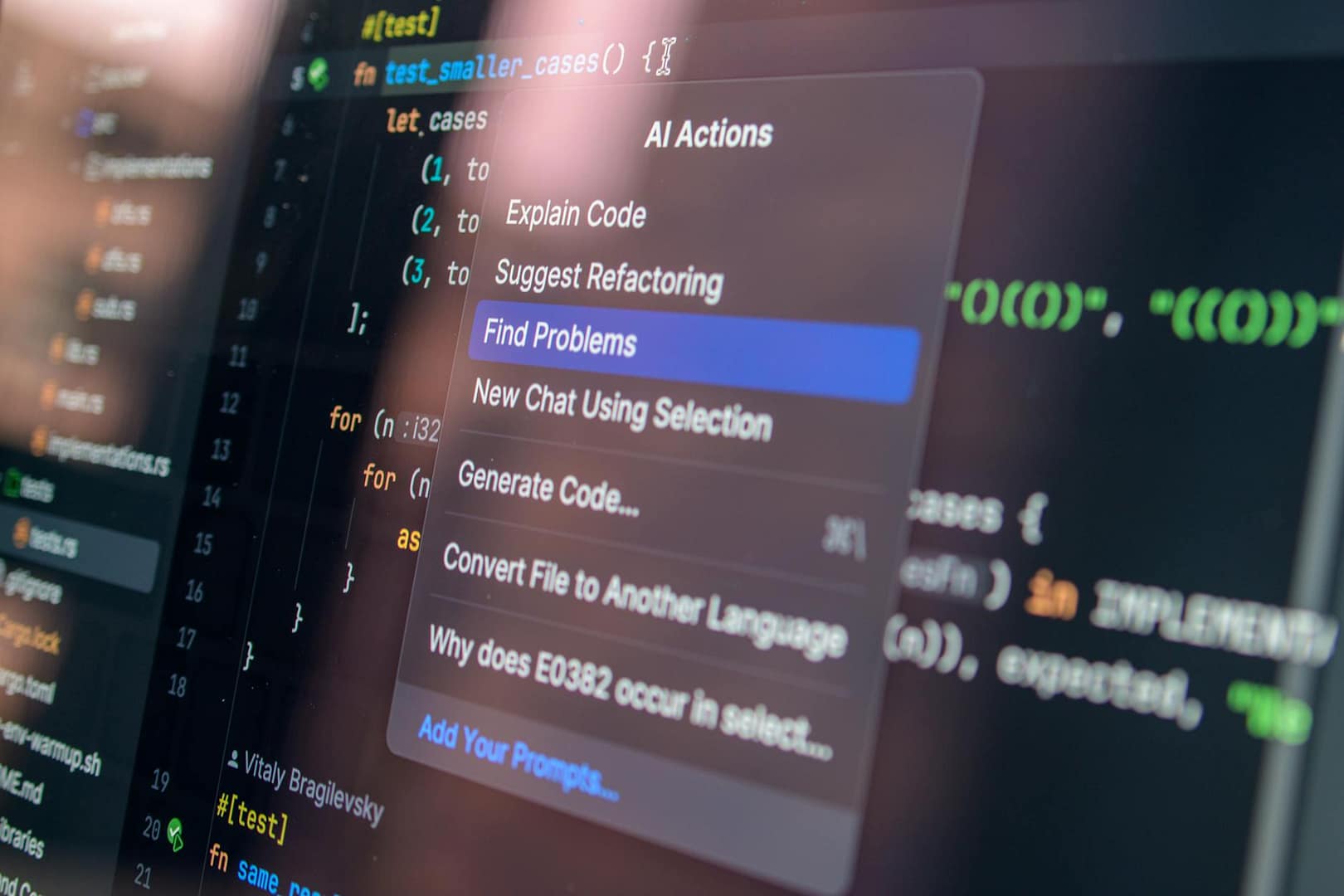
To achieve “Industrial Excellence,” AI research must prioritize “Ecological Validity”—a subset of external validity that asks if a system works in its natural environment. In 2025, many “High-Payoff” AI tools are stuck in a “Systemic Loop” of lab testing, lacking the “Rugged Resilience” required for “Real-World Deployment.” By applying the “Technical Rigor” of scientific validation, companies can move beyond “Inaugural Risks” and toward “Safe Haven” technologies that deliver “Functional Purpose” across diverse, unscripted scenarios.
Criterion Validity: Cutting Through the Hype with Data
When a technology makes a “Criterion Claim”—stating it can outperform a human or a previous method on a measurable task—it must meet the standard of “Criterion Validity.” This involves comparing the AI’s output against a “Gold Standard” or a “Predictive Milestone.” For example, if an AI claims to predict stock market trends, its “Criterion Validity” is measured by its actual financial “Material Reality” over time. Without this “Analytical Blueprint,” AI claims remain “Inspired Instability,” relying on “Holographic” promises rather than “Structural Integrity.”
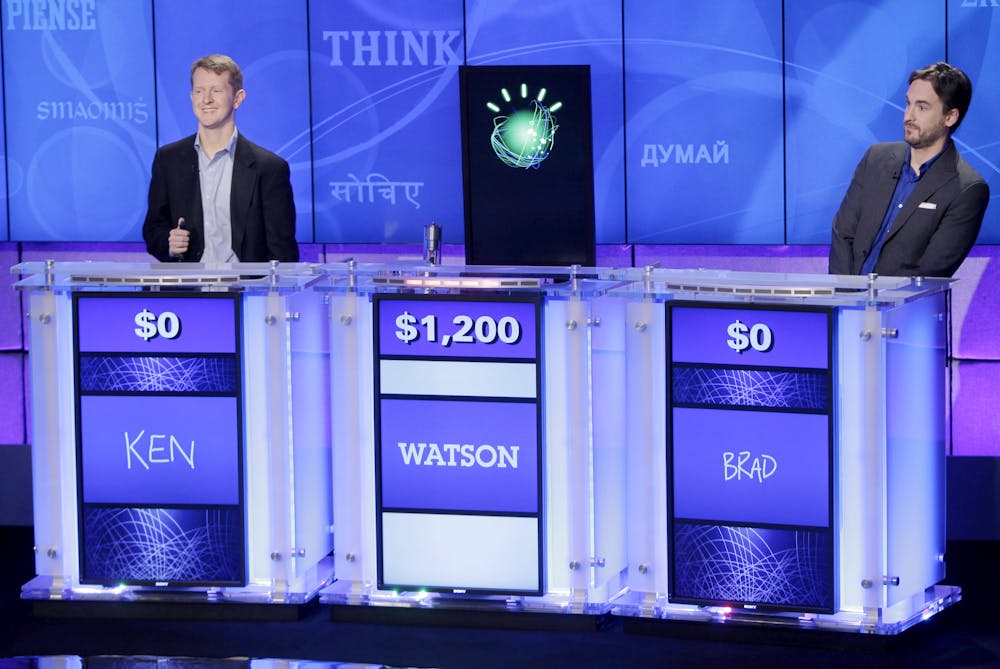
In the 2025 “Economic Landscape,” “Criterion Validity” is the “Master Key” to ROI. Investors and business leaders are moving away from “Thematic Enthusiasm” and toward “Technical Integrity.” They are asking: “Does this tool actually reduce costs by 20%, or is that just a ‘Sublime’ projection?” By anchoring “Performance Claims” in “Criterion Validity,” the industry can foster a “Quiet Authority” based on “Measurable Impact,” effectively silencing the “Entertainment Machine” of over-hyped marketing.
The Validity-Centered Framework: A 2026 Strategy
As we approach the “Inaugural Events” of the 2026 tech season, the “Big Call” for the industry is the adoption of a “Universal Validity Framework.” This involves a three-step “Strategic Pivot”: First, identify if the claim is about a “Construct” or a “Criterion.” Second, evaluate if the evidence matches the scope of the claim. Third, assess the “Ecological Validity” of the testing environment. This “High-IQ” approach moves us away from “shaky” qualitative descriptions and toward a “Standard of Excellence” that mirrors the “Scientific Method.”

“Validity is not a property of the AI itself, but of the claims we make about it. A model can be ‘valid’ for summarizing a meeting but completely ‘invalid’ for providing legal advice.”
This “Radical Transparency” is essential for building “Public Trust.” When we use the “Humanistic” lens of validity, we acknowledge the “Material Realities” and limitations of AI. We stop treating it as a “Sublime” oracle and start seeing it as a “Functional Tool” with specific “Safe Operating Zones.” By turning the “Theatre of Chaos” into a “Lab of Validity,” we can ensure that the “Resurgent Spirit” of AI innovation is built on a “Foundational Base” of truth rather than a “Holographic” tower of hype.