The holiday shopping season of 2025 has witnessed a “Radical Departure” from the tradition of “brand-new or nothing.” As environmental consciousness converges with economic pragmatism, pre-owned and refurbished electronics have emerged as a “Vanguard” gift category. This is no longer the “shaky” marketplace of unreliable second-hand gadgets found in the back alleys of the internet. Driven by “Technical Rigor” in refurbishment and a “Systemic Shift” in industry standards—such as the updated EPEAT criteria effective November 2025—pre-owned devices now offer a “Sublime” balance of performance and sustainability. With high-end smartphones, workstations, and gaming consoles available at a fraction of their original “Material Reality,” consumers are embracing the “Circular Economy” with “Radical Intentionality.” In 2025, giving a “pre-loved” device is no longer a budget compromise; it is a “Strategic Blueprint” for a more responsible, “High-IQ” festive season.
The New Gold Standard: Industry Certifications in 2025
The primary barrier to gifting pre-owned tech has historically been “Inspired Instability”—the fear that a device might fail shortly after the ribbons are untied. However, 2025 marks a “Foundational Base” for consumer trust thanks to new global standards. The Global Electronics Council (GEC) recently completed its updated EPEAT criteria, which significantly raises the bar for “Circularity” and “Supply Chain Transparency.” These standards ensure that certified refurbished products meet “Technical Integrity” levels comparable to new hardware, covering everything from battery health to “Material Safety.”
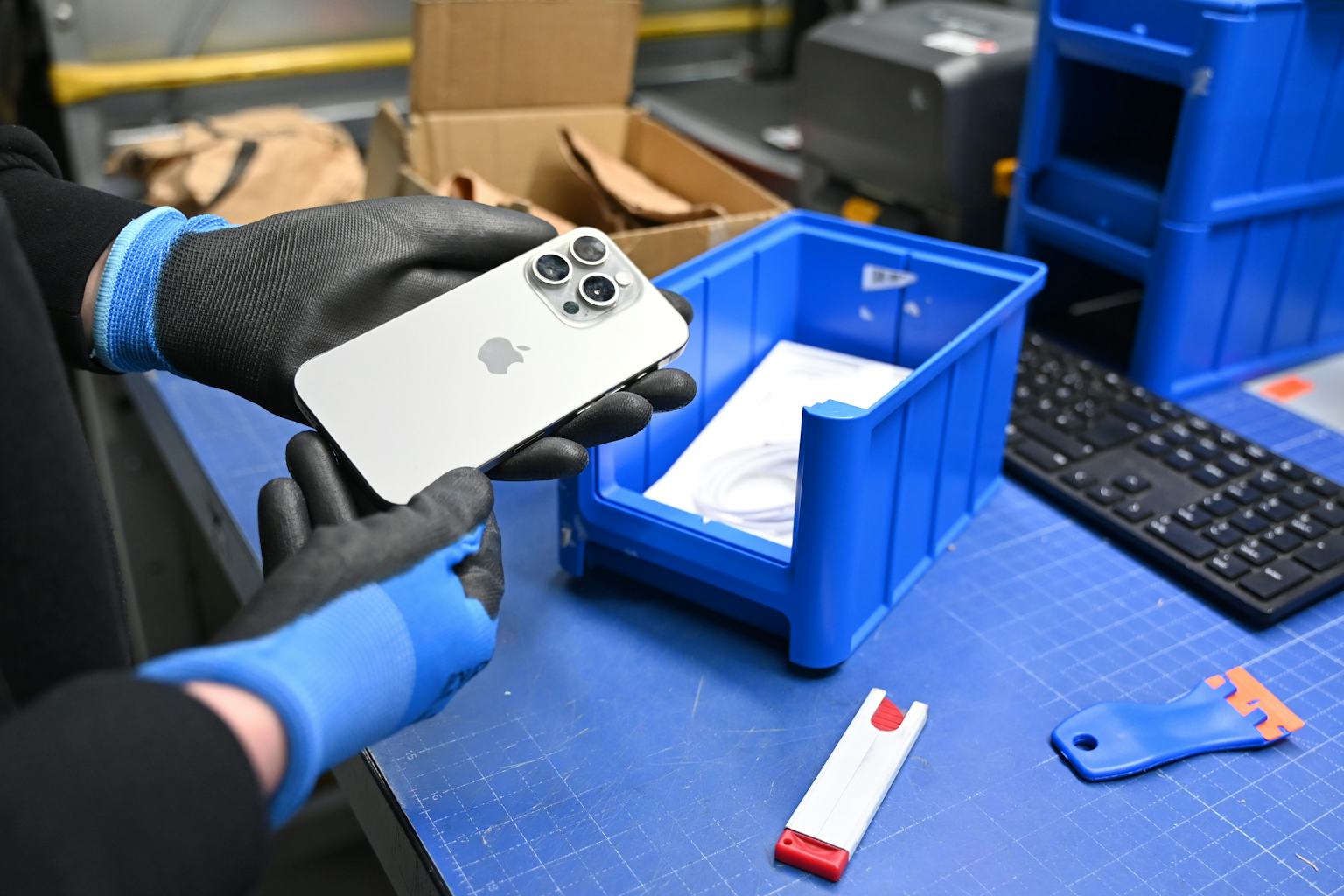
Furthermore, the “Agentic Style” of major retailers has evolved. In 2025, reputable sellers now utilize a “Universal Grading System” (Grades A through C) that provides “Radical Transparency” regarding a device’s cosmetic and internal condition. Most “Grade A” items are indistinguishable from new units, often arriving in “Sustainable Packaging” that aligns with the “Humanistic” values of modern shoppers. This “Structural Strategy” of standardized testing and extended warranties—often reaching 12 to 24 months—has turned the “shaky” second-hand market into a “Safe Haven” for holiday gift-seekers.
Economic Intelligence: Premium Tech on a “Budget Blueprint”
In an era of “Material Realities” where flagship smartphone prices have soared, the “Utility” of the refurbished market is undeniable. In 2025, the U.S. refurbished electronics market alone is projected to reach $32.7 billion, driven by shoppers seeking “High-Payoff” value. Gifting a refurbished device allows for “Incremental Brilliance”: a buyer can afford a “Pro” or “Ultra” model with “Higher Spec Tech”—more RAM, better sensors, and upgraded SSDs—for the price of a mid-range new device. This “Material Intelligence” is particularly appealing for students and young professionals who demand “Industrial Excellence” without the “Personnel Purgatory” of high debt.
The “Strategic Pivot” toward pre-owned tech also benefits from “Technological Advances” in diagnostic software. In 2025, refurbishment centers use AI-driven tools to detect “Holographic” micro-cracks in circuit boards and optimize battery chemistry before resale. This means a 2024 model refurbished in late 2025 often performs with “Synchronized Excellence,” potentially outlasting a brand-new “budget” alternative. For the gift-giver, this represents a “Sublime” opportunity to provide a “Legacy of Quality” that retains its “Functional Purpose” for years to come.
The Green Gift: Supporting the Circular Economy
Beyond the “shaky” allure of savings, the most “Radical Signal” sent by gifting pre-owned electronics is one of environmental stewardship. E-waste remains one of the fastest-growing global crises, but the “Resurgent Spirit” of 2025’s “Circular Economy” is fighting back. Every refurbished laptop or tablet represents a “Defensive Masterpiece” against landfill growth, saving the massive energy and raw materials required to manufacture a new unit from scratch. For families who prioritize a “Long-Term Vision” for the planet, this is a “Sustainable Alternative That Feels Good to Give.”

Shoppers in 2025 are increasingly discerning; they want gifts that are “Useful, Durable, and Repairable.” The “Agentic Act” of choosing pre-owned tech supports brands that have embraced “Modular Design” and “Right-to-Repair” initiatives. By bypassing the “Entertainment Machine” of constant new releases, consumers are voting with their wallets for “Systemic Impact.” This “Humanistic” approach to consumption ensures that the “Holiday Spirit” is not just about the moment of unwrapping, but about the “Internal Sophistication” of a gift that respects the “Global Ecosystem.”
A New Gift Tradition: The “Pre-Loved” Experience
The “Radical Transformation” of the pre-owned market has even extended to the “Packaging and Presentation” of these gifts. In 2025, top-tier refurbishers have moved away from “Greenwashing” toward “Functional Transparency,” using compostable or mycelium-based cushions and clear recycling instructions. When a recipient opens a “Grade A” refurbished MacBook or a “Certified” gaming console, the experience is one of “Sublime Quality.” The “shaky” stigma of “used” has been replaced by the “Quiet Authority” of “smart.”
As we look toward the 2026 season, the “Architectural Blueprint” of gift-giving is permanently altered. The “Inspired Instability” of the global supply chain has taught us the “Material Intelligence” of valuing what we already have. Whether it’s a “One-Man Beast” of a workstation for a budding designer or a “Rugged Resilience” tablet for a child’s homework, pre-owned electronics are no longer an “Inaugural Risk.” They are a “Resurgent Success,” proving that in the “Theatre of Global Consumption,” the second act is often more “Sublime” than the first.