For decades, the necktie was the ultimate symbol of the corporate boardroom—a rigid silken noose synonymous with the patriarchy of the 20th century. However, as the 2025-2026 fashion cycle reaches its peak, this “masculine” relic has been liberated from its stockbroker connotations. In a trend report first detailed by Elle and further cemented across the Spring/Summer 2025 runways of Saint Laurent and Dior, the tie has emerged as the defining accessory for the “Cool Girl” aesthetic. No longer worn to conform, the modern necktie is being used to subvert. Whether it’s a skinny leather version paired with a sheer blouse or a bold, striped “school-uniform” tie hanging loosely over a crop top, the 2025 necktie is a sartorial power move that celebrates mischief, gender-fluidity, and an unwavering sense of self-possession.
The Saint Laurent Effect: High-Octane Corporate Noir
The resurgence of the tie can be traced directly to the Saint Laurent Spring/Summer 2025 runway, where Anthony Vaccarello presented a vision of “American Psycho realness with a Left Bank twist.” The collection showcased slouchy power suits, oversized blazers, and crisp button-downs, all anchored by perfectly knotted ties. This look, often referred to as “Officecore,” takes traditionally masculine workwear and reimines it for the modern woman who “owns the room.”
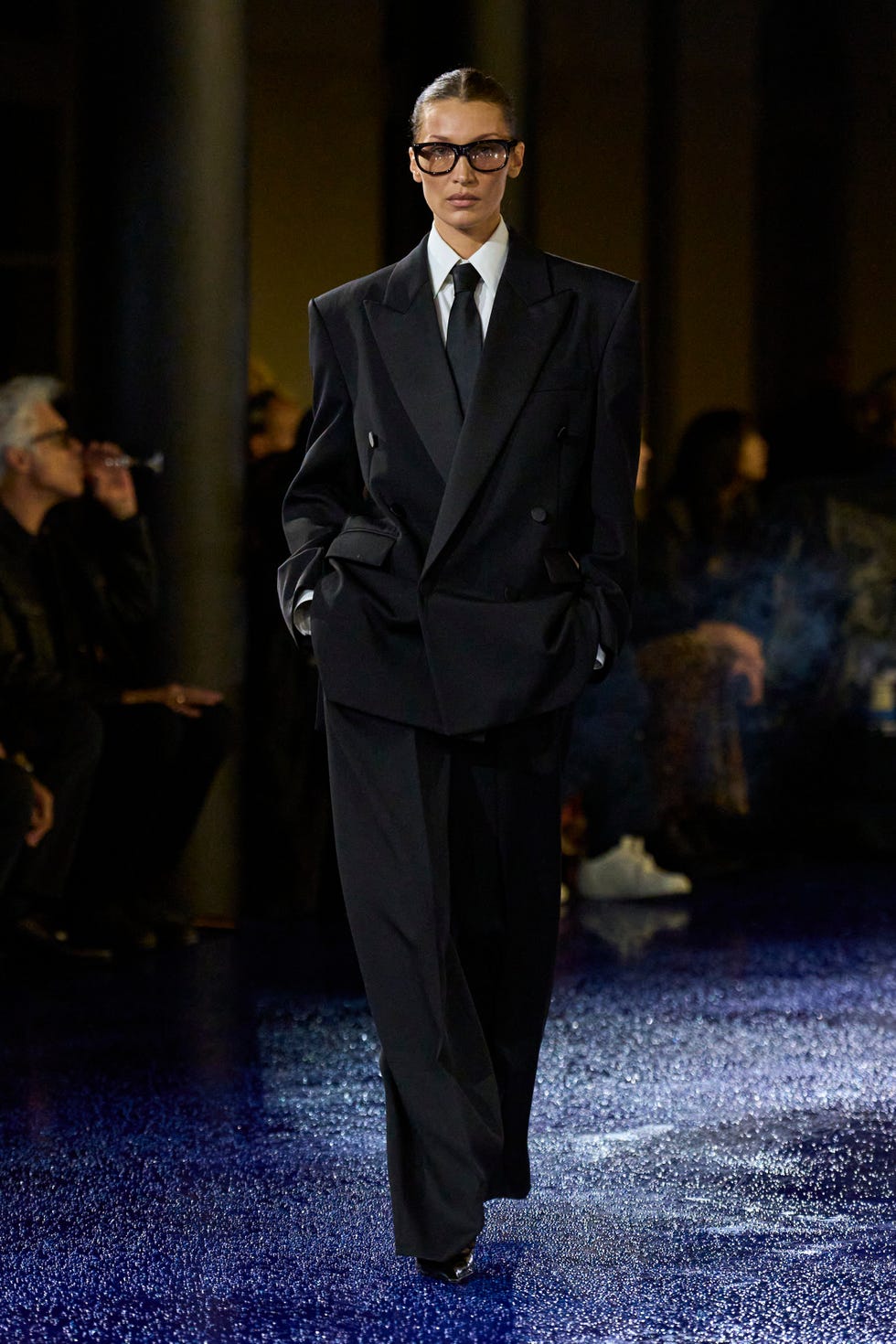
This 2025 iteration of the tie is not about precision; it’s about attitude. Stylists recommend wearing the tie slightly “undone” or paired with high-low contrasts—such as a sharp silk tie with distressed denim or a sequined party dress. The Saint Laurent aesthetic has signaled a move away from the “bow-centric” femininity of previous years, replacing soft ribbons with the structural, directional authority of the necktie.
Geometric and Sustainable: The Material Evolution of 2026
As we transition into 2026, the physical design of the tie is evolving to meet the demands of a more conscious and innovative market. Traditional stripes are being replaced by bold geometric patterns and abstract asymmetrical designs, which have seen a 30% increase in popularity this season. These “modernist” ties function as wearable art, allowing the wearer to inject a pop of “Chili Red” or “Ochre Yellow” into a monochromatic outfit.
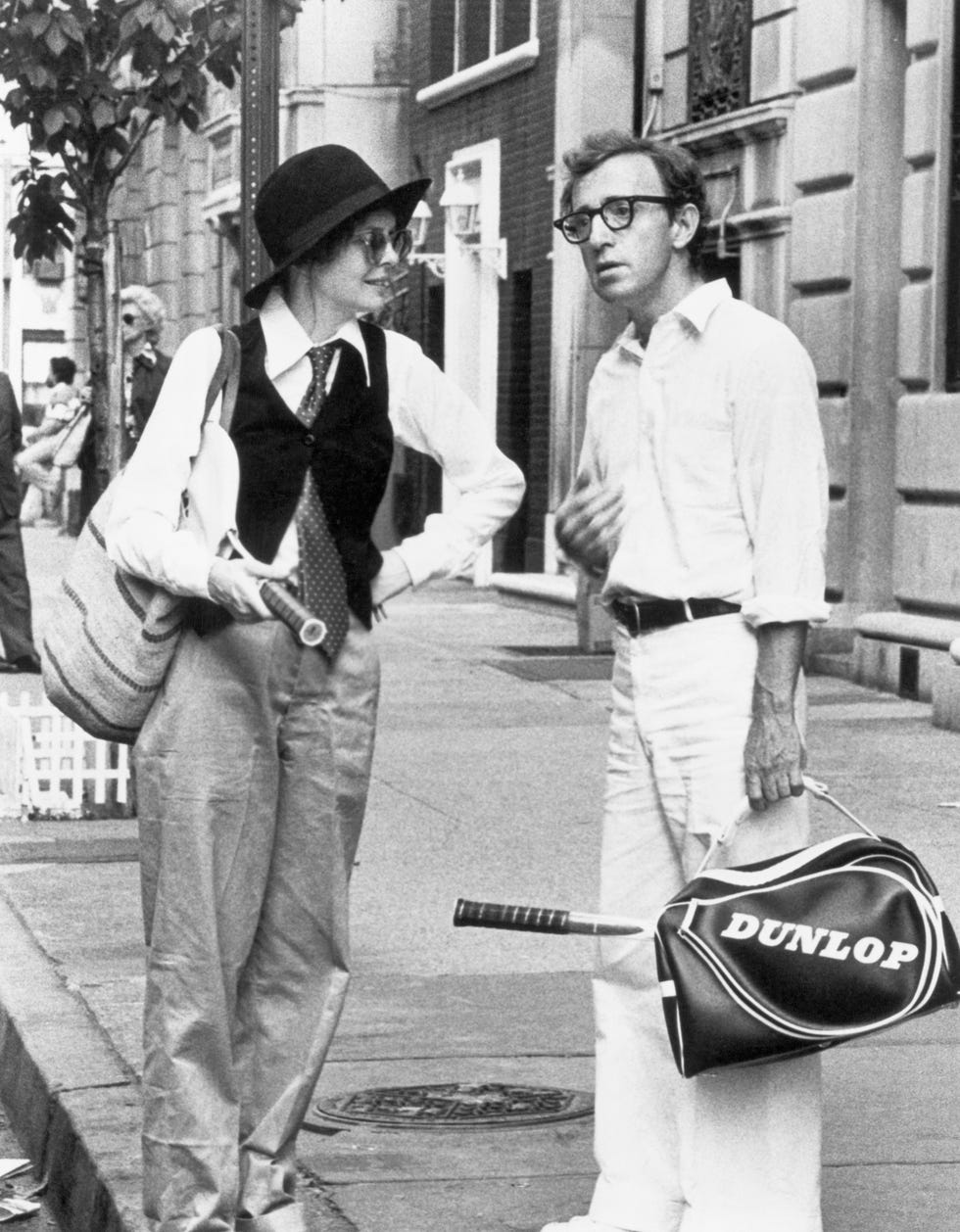
Materiality is also undergoing a revolution. In line with global sustainability trends, over 40% of new tie collections are being manufactured from bamboo silk, organic cotton, and recycled polyester. Brands like Prada and Bottega Veneta are even experimenting with double-faced woven leather and metallic finishes, turning the tie into a tactile, sculptural object. These “eco-luxe” materials ensure that the necktie remains relevant in a fashion landscape that prioritizes ethical production as much as aesthetic impact.
Celebrity Catalysts: From Zendaya to Bella Hadid
The viral success of the tie trend has been fueled by a new generation of “IT-girls” who use the accessory to challenge traditional gender codes. Zendaya and Bella Hadid have been frequently spotted “tying the knot” in all the right ways—often pairing ties with tailored waistcoats and oversized white shirts for a look that is “smart, sexy, and completely self-possessed.” Meanwhile, Sabrina Carpenter and Miley Cyrus have adopted the “sleek undone tie” as a go-to airport and red-carpet accessory.
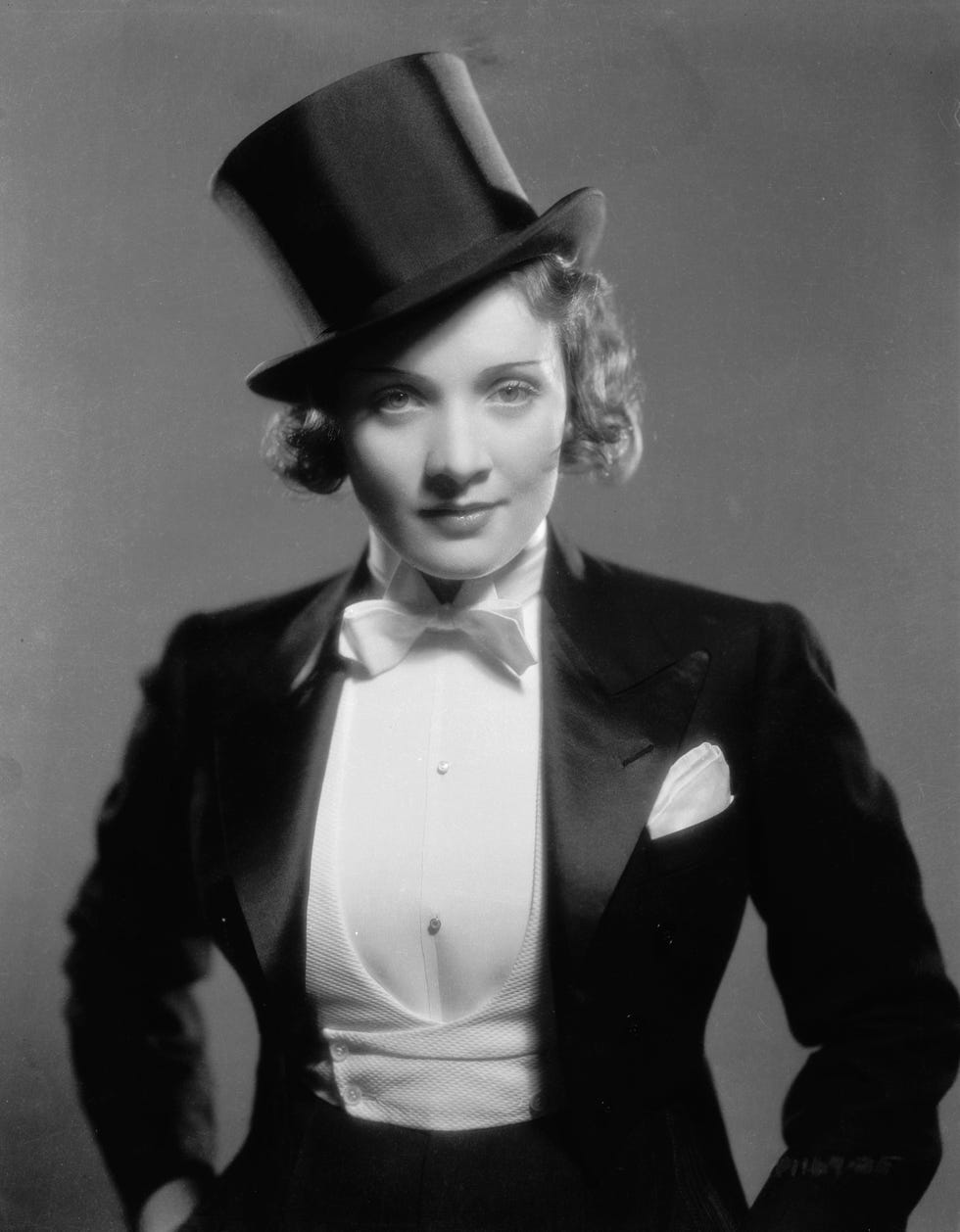
Social media platforms like TikTok have amplified this through trends like “Tomboy Femme” and “Women in Suits.” These digital subcultures encourage users to experiment with “no rules” styling—such as layering a tie over a sheer lace dress or a simple ribbed tank top. This celebrity and social endorsement has moved the tie out of the boardroom and into the street, transforming it into a “weapon of style” for the modern rebel.
Styling the Modern Uniform: Preppy with a Twist
For those looking to incorporate the trend into their daily rotation, the 2026 “College Days” aesthetic offers a perfect entry point. This look remixes preppy codes—like pleated mini-skirts and varsity jackets—with striped school-uniform ties. The key is to avoid looking like you’re wearing a costume. Stylists suggest pairing a bold-colored striped tie with a neutral pencil skirt and kitten heels to create a “modern office look with a twist.”

Another high-fashion approach for 2026 is the “tucked-in” technique, where the tie is tucked into a tube top or a high-waisted asymmetrical skirt. This softens the overall silhouette while maintaining the “sartorial power move” of the neck accessory. Whether the tie is tightly knotted or loosely tousled like on the Louis Vuitton runway, it communicates a sophisticated play on power, showing that the modern woman knows exactly how to “rewrite the game” when she’s done playing it.
A Symbol of Resilience and Reclamation
Ultimately, the return of the tie in 2025 is a story of reclamation. Once an accessory that women might have tied for their husbands before sending them to work, it is now an object they choose for themselves. It represents a “fusing of the self, nature, and architectural space,” much like the structural portals of Pilar Zeta’s Miami installations. The tie is no longer a tool of compliance; it is a tool of individual expression.
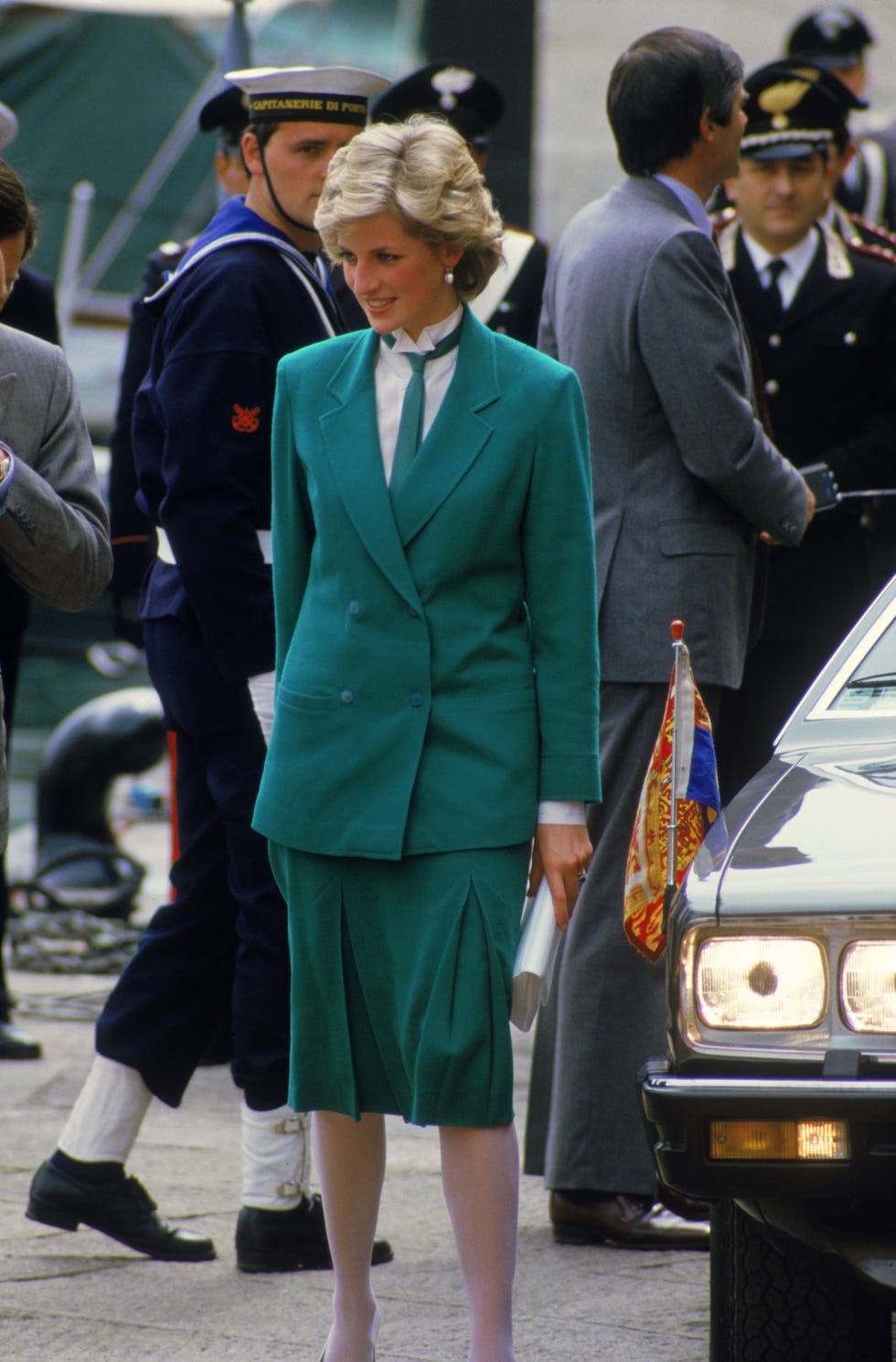
As we look toward the 2026-2027 seasons, the tie’s presence in women’s wardrobes is expected to become even more permanent. It serves as a reminder that the most “classical” objects often hold the most potential for radical change. In the vast, shifting landscape of global fashion, the necktie has proven to be an anchor—a simple length of silk or leather that proves, once and for all, that the most powerful thing a woman can wear is a look that says she owns the room.